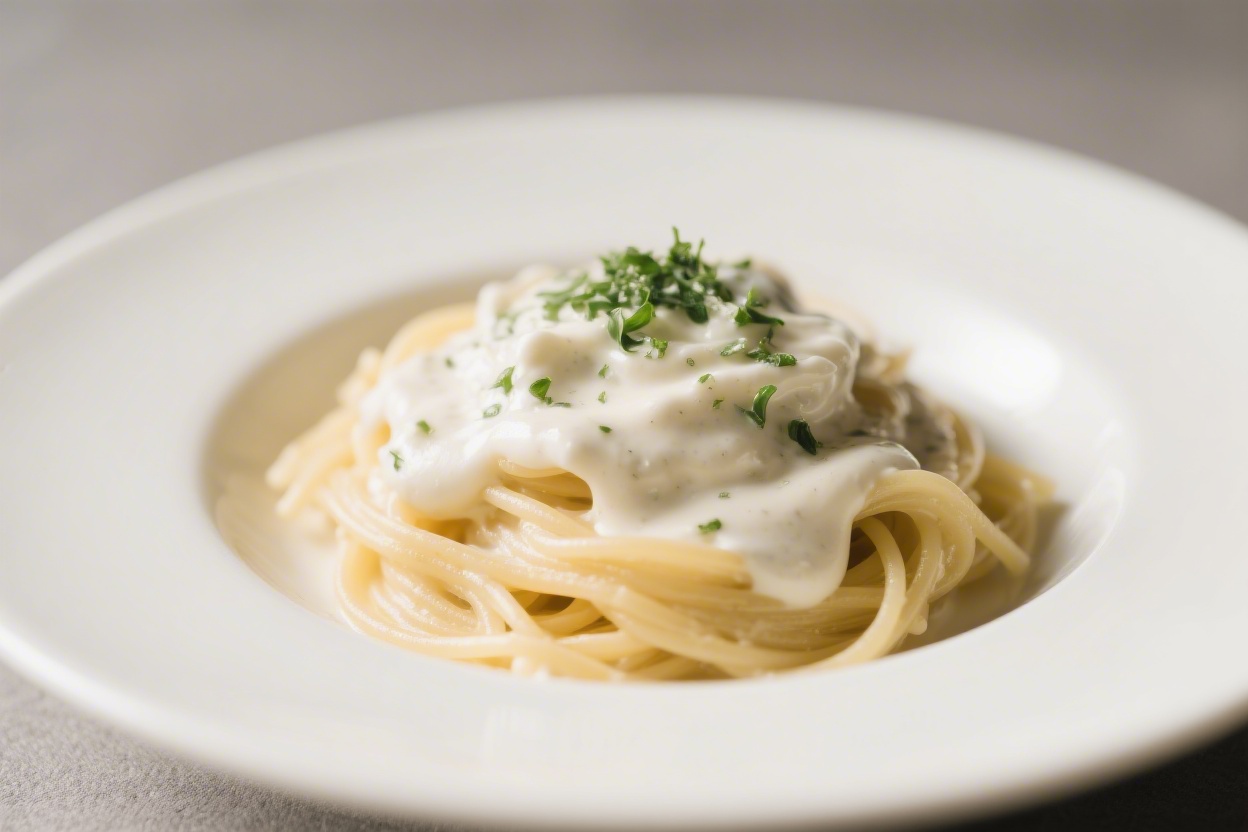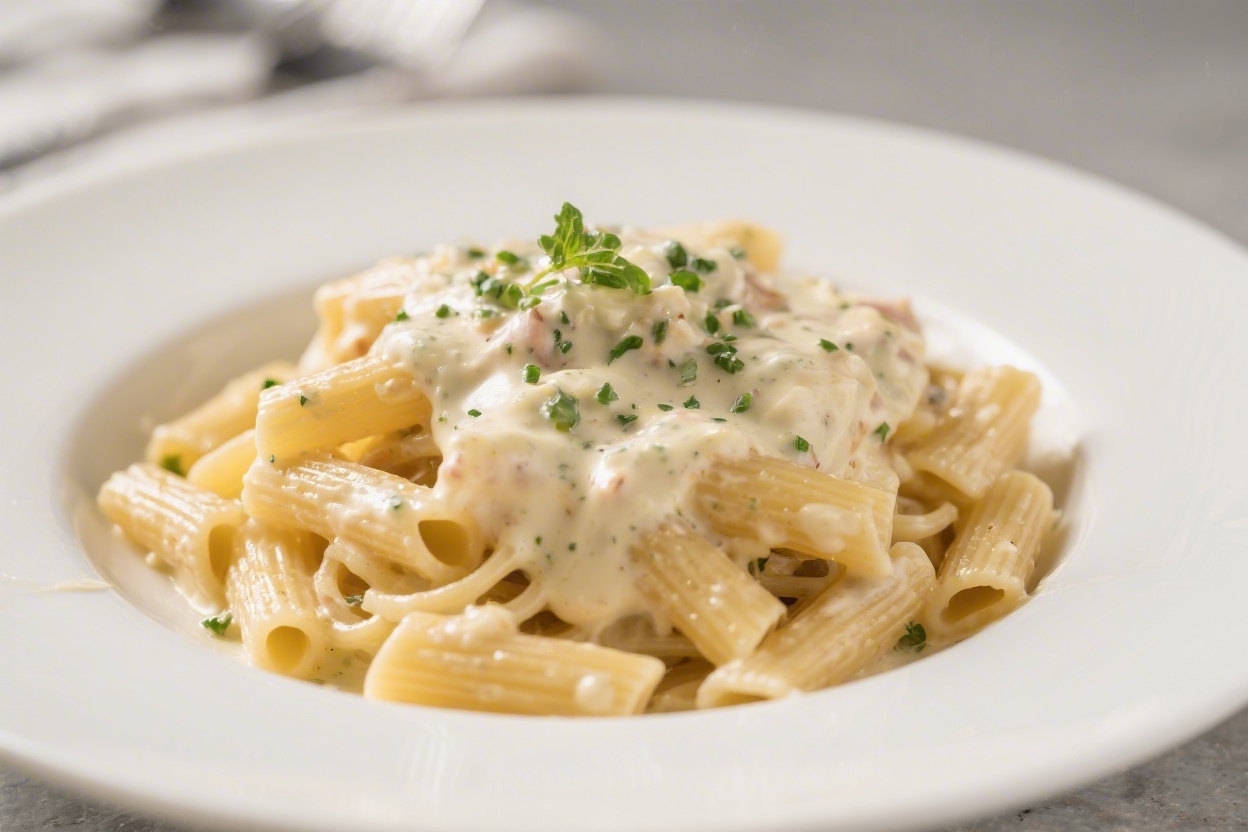
One Pot Pasta Recipe – Fast, Flavorful, and Fuss-Free
Weeknights don’t leave much time for juggling multiple pans and cleanup. That’s where this one pot pasta recipe steps in. Everything cooks in a single pot—pasta, sauce, veggies, and aromatics—so you get a silky, starchy sauce and tender noodles without the hassle.
It’s cozy, generous, and endlessly customizable. Keep it simple or add what you have in the fridge; either way, you get a satisfying dinner in under 30 minutes.
Why This Recipe Works
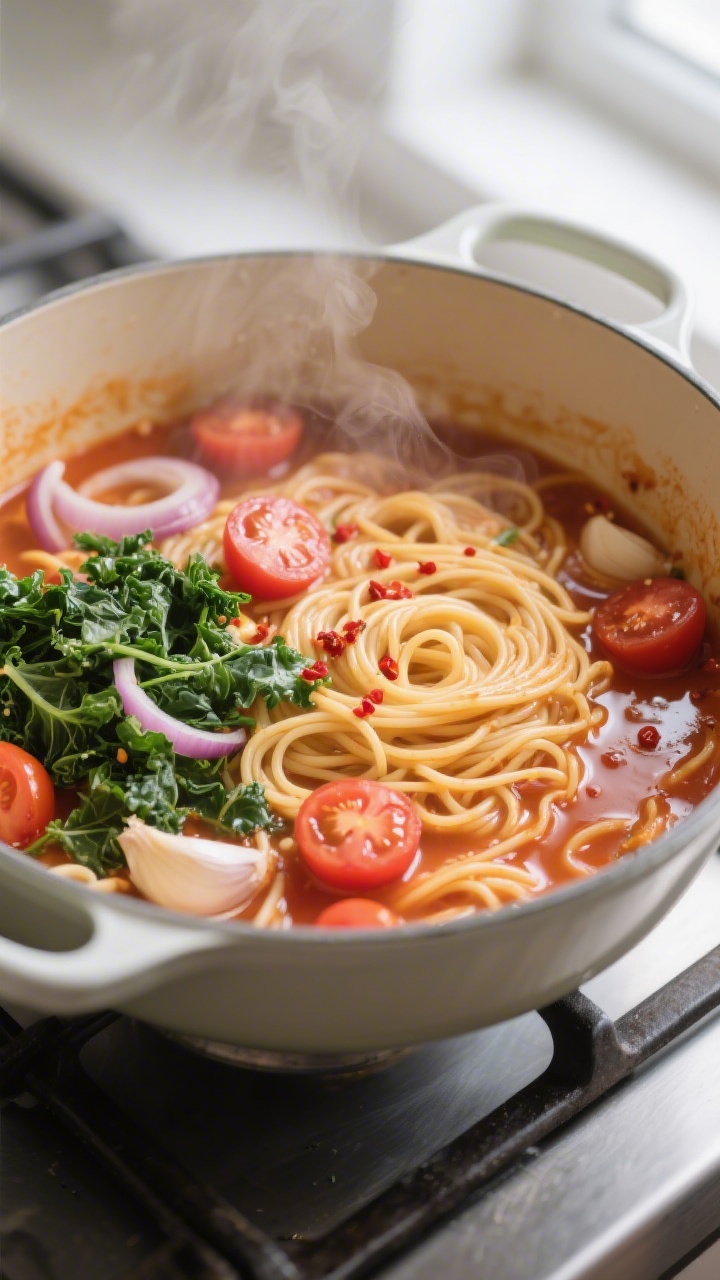
This method cooks pasta directly in a seasoned broth, which means the starch from the noodles thickens the sauce naturally. No separate draining or extra pans.
The aromatics, tomatoes, and herbs simmer together, so the flavors blend beautifully in less time. You also control the liquid, which prevents a watery sauce and gives you a glossy finish.
Shopping List
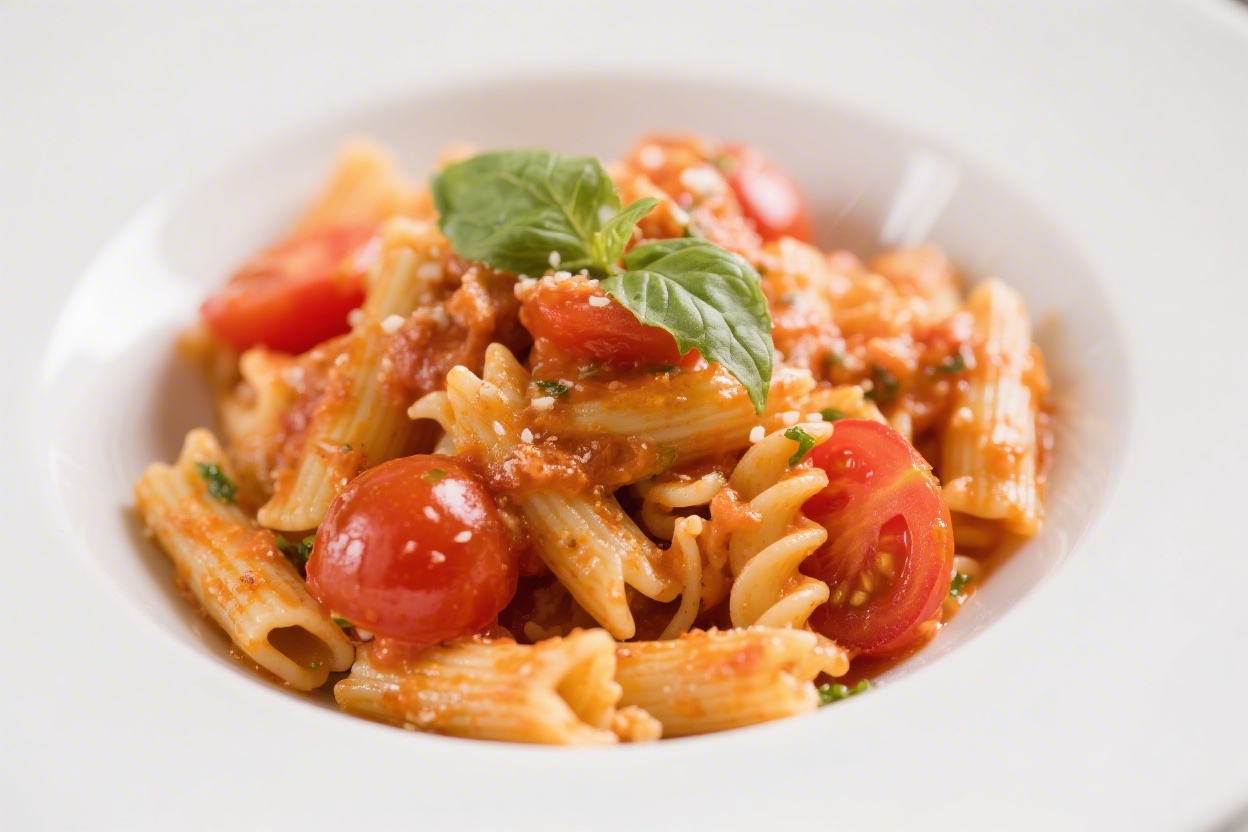
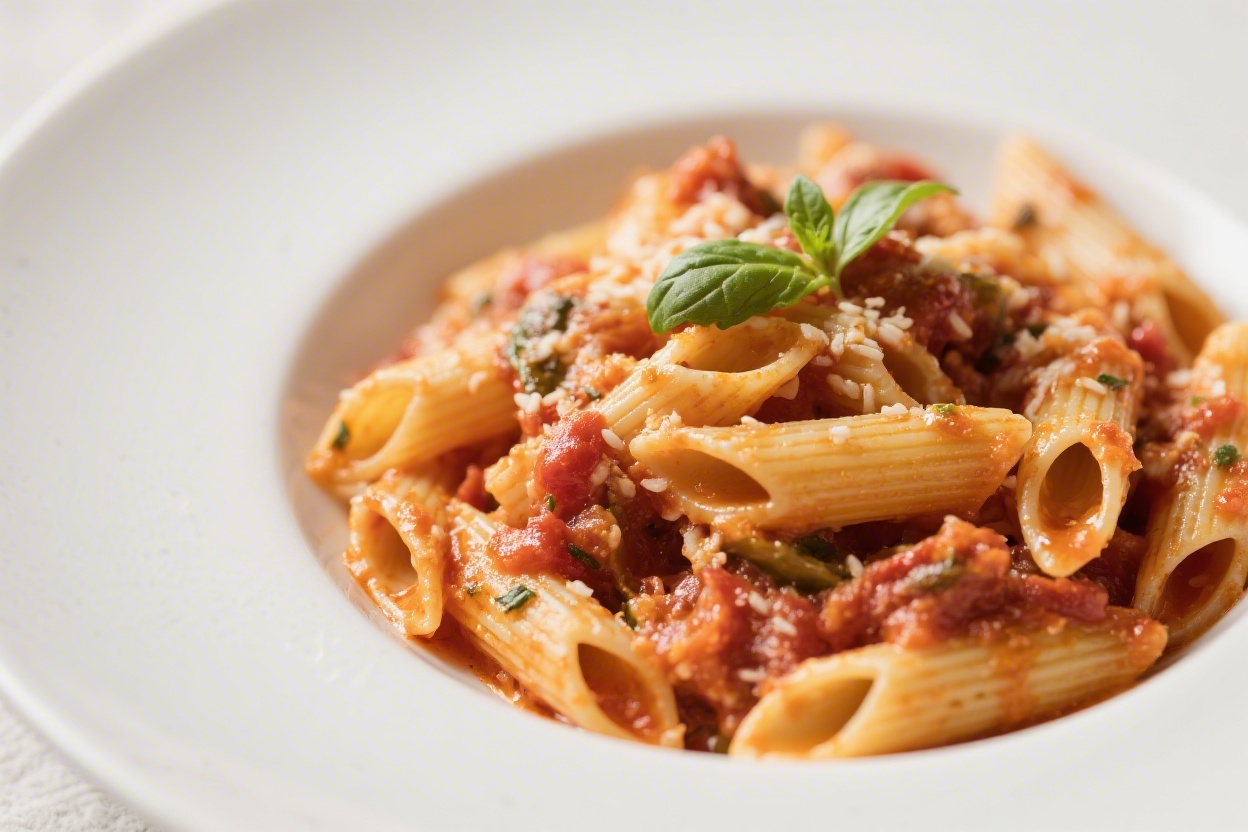
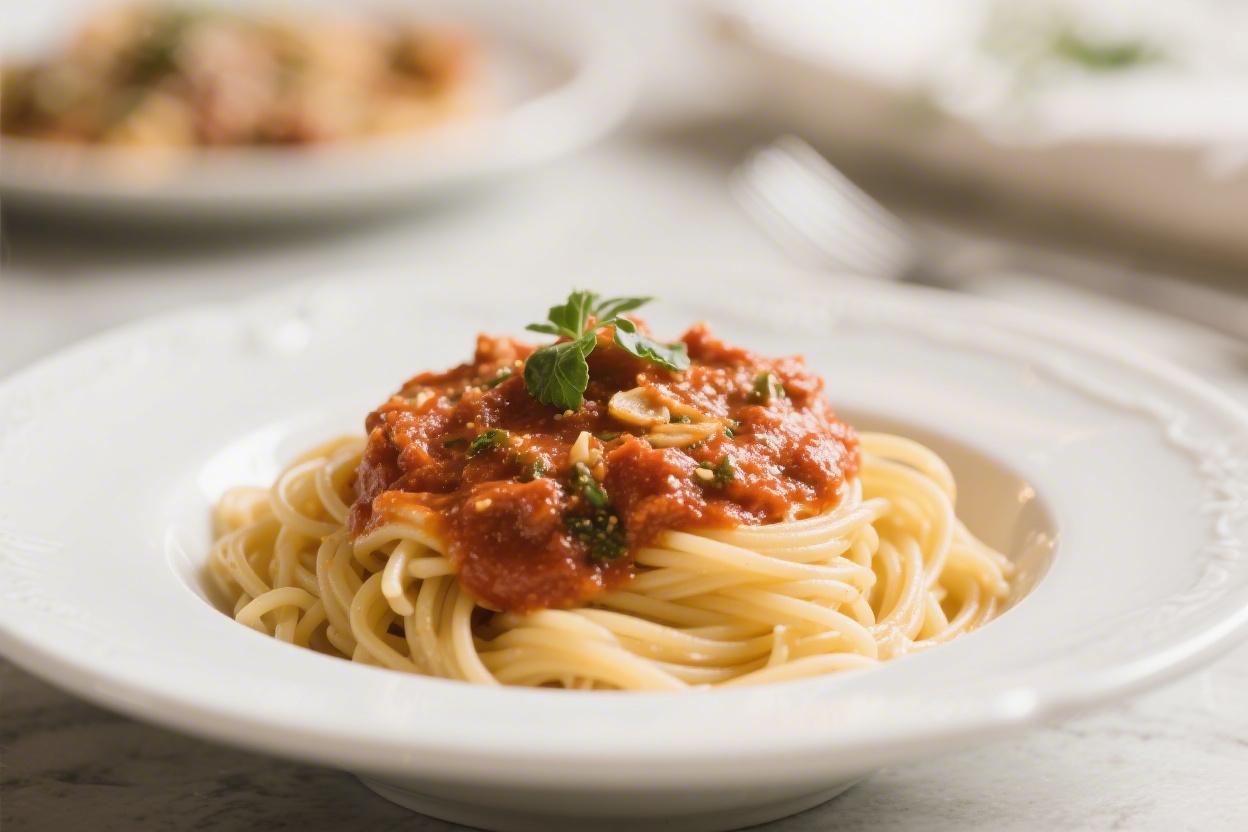
- Dry pasta (12 ounces): spaghetti, linguine, or short pasta like penne
- Olive oil (2 tablespoons)
- Yellow onion (1 small), thinly sliced
- Garlic (3–4 cloves), thinly sliced or minced
- Cherry or grape tomatoes (2 cups), halved; or 1 can (14.5 oz) diced tomatoes
- Vegetable or chicken broth (4 cups), low sodium
- Salt and black pepper
- Red pepper flakes (optional)
- Dried Italian seasoning or oregano (1 teaspoon)
- Fresh basil or parsley (a handful), chopped
- Parmesan cheese (for serving)
- Spinach or kale (2 cups), optional
- Lemon (1), optional for zest and juice
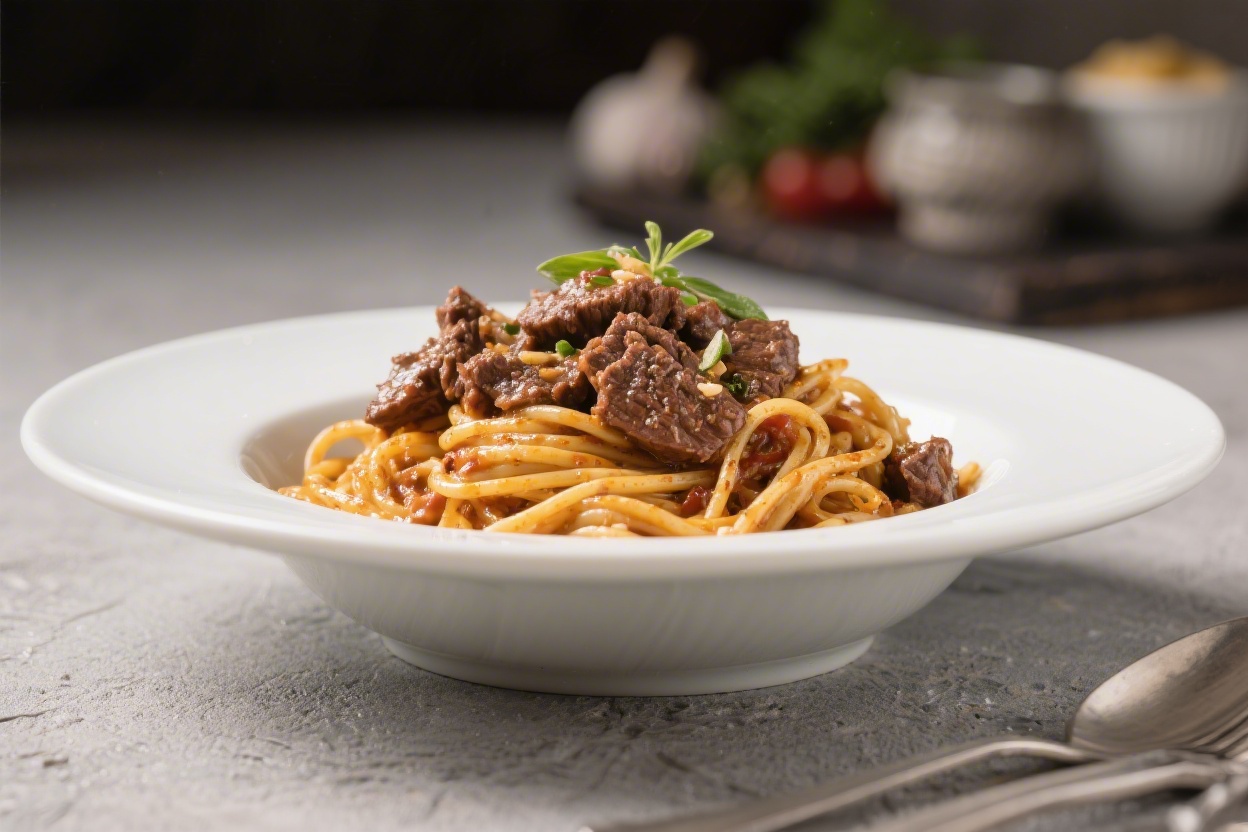
- Protein add-ins (optional): cooked chicken, Italian sausage, shrimp, or white beans
How to Make It
- Prep your ingredients. Slice the onion and garlic. Halve the tomatoes.
Chop herbs. If using greens, roughly chop them. Measure out the broth so it’s ready to pour.
- Choose the right pot. Use a wide, heavy pot or deep skillet with a lid.
A large surface area helps the pasta cook evenly and prevents clumping.
- Sauté the aromatics. Add olive oil to the pot over medium heat. Cook the onion with a pinch of salt for 3–4 minutes until slightly softened. Add garlic and cook 30 seconds until fragrant.
- Layer the base flavors. Stir in tomatoes, red pepper flakes, and dried herbs.
Cook 1–2 minutes to soften the tomatoes and bloom the spices.
- Add pasta and liquid. Lay the dry pasta in the pot. Pour in the broth. The liquid should just cover the pasta.
If not, add a splash of water. Season with 1 teaspoon salt and a few grinds of pepper.
- Bring to a boil, then simmer. Increase heat to high to bring the pot to a boil, then reduce to a lively simmer. Stir frequently for the first few minutes to prevent sticking.
- Cook until al dente. Simmer uncovered for 9–12 minutes, depending on pasta shape, stirring now and then.
If the liquid reduces too fast, add a little more broth or water. You want a loose, saucy consistency near the end.
- Finish with greens and herbs. When the pasta is nearly done, stir in spinach or kale. Cook 1–2 minutes until wilted.
Add chopped basil or parsley, and adjust seasoning. For brightness, add a squeeze of lemon and a pinch of zest.
- Make it glossy. If the sauce looks thin, simmer 1 more minute. If it’s too thick, add a splash of water or broth.
The pasta will keep absorbing liquid, so aim for slightly saucy.
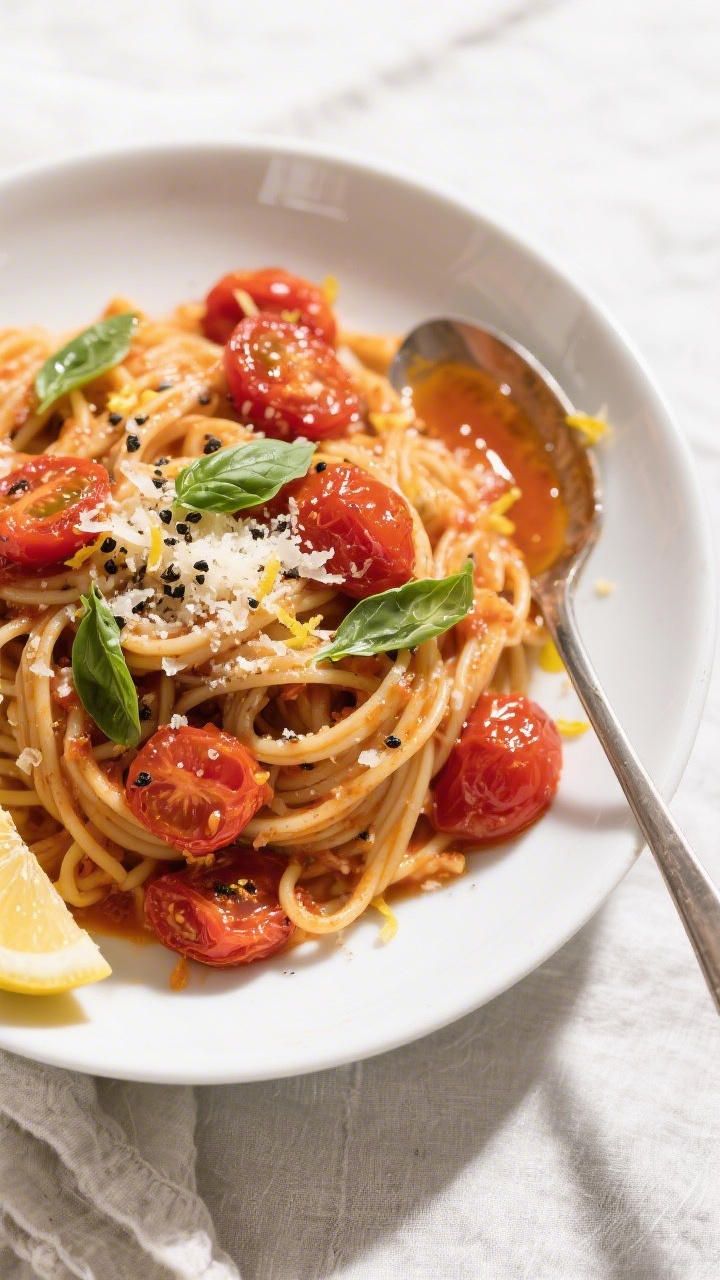
- Serve with cheese. Plate immediately and top with grated Parmesan and extra herbs. A drizzle of olive oil or a pat of butter adds a luxurious finish.
Keeping It Fresh
Leftovers keep well for up to 4 days in an airtight container in the fridge. The sauce may thicken, so add a splash of water or broth when reheating on the stove or in the microwave.
For best texture, cook the pasta just to al dente the first time so it’s not overcooked later. If you plan for leftovers, stir in delicate greens and fresh herbs right before eating rather than during the first cook.
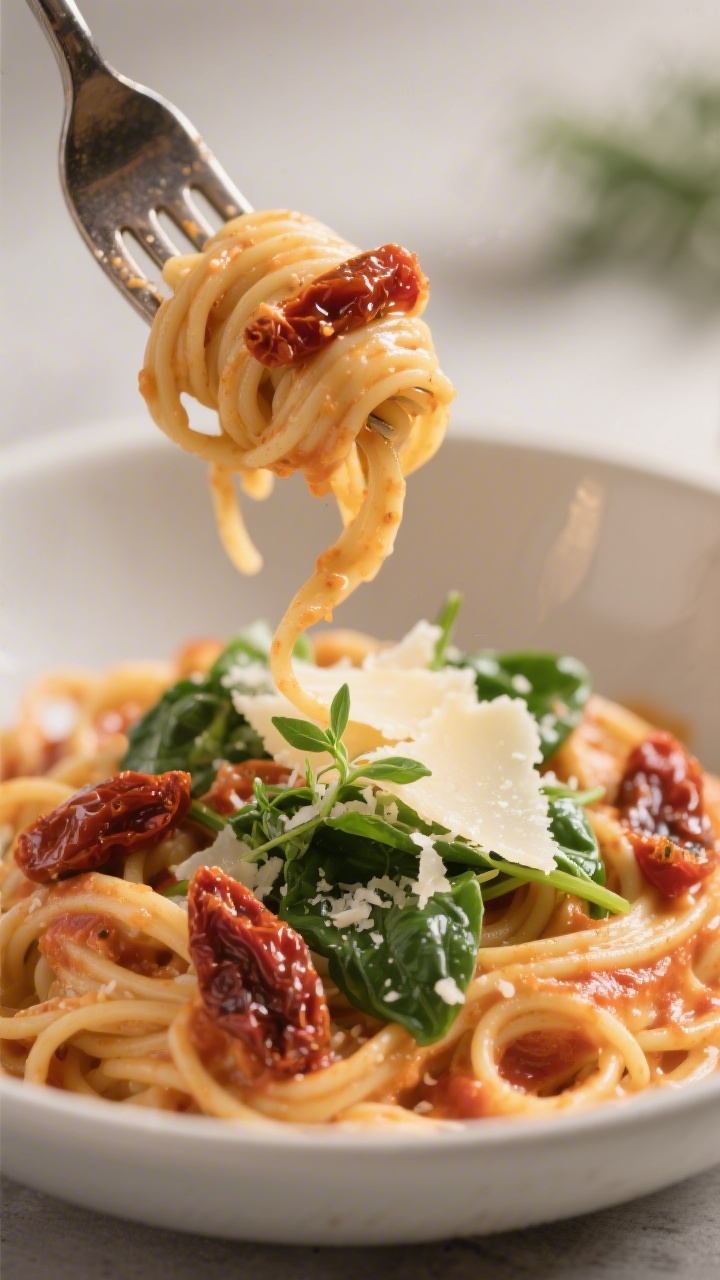
Why This is Good for You
This recipe hits a nice balance of carbs, fiber, and micronutrients, especially if you add greens and tomatoes. Tomatoes bring lycopene, an antioxidant that becomes more available when cooked with olive oil.
Spinach or kale adds iron, vitamin K, and folate. Use whole wheat pasta or chickpea pasta for more fiber and protein, and choose low-sodium broth to keep the sodium in check.
Pitfalls to Watch Out For
– Undersalting the broth: Because there’s no salting of pasta water, the broth needs to be well-seasoned. Taste and adjust during cooking. – Not stirring early on: Pasta can clump if it sits.
Stir several times in the first 3–4 minutes. – Overcooking: The pasta keeps softening off heat. Stop when it’s just al dente and saucy. – Too much or too little liquid: Keep the pasta barely submerged at the start. Add liquid if it dries out; simmer a minute longer if it’s watery. – Crowding the pot with extras: Add-ins are great, but too many can throw off the liquid balance.
Add cooked proteins near the end to warm through.
Variations You Can Try
– Creamy Tuscan: Stir in 1/3 cup cream or half-and-half and a handful of sun-dried tomatoes in oil. Add baby spinach and finish with Parmesan. – Lemon Garlic Shrimp: Sauté shrimp with garlic in olive oil, remove, then proceed with the base recipe. Add shrimp back in for the last 2 minutes with lemon zest and parsley. – Mediterranean Veggie: Add artichoke hearts, olives, and roasted red peppers.
Finish with feta and oregano. – Sausage and Pepper: Brown Italian sausage first, then add sliced bell peppers and onions. Use crushed tomatoes and finish with basil. – White Bean and Kale: Add a can of drained cannellini beans and chopped kale in the last 5 minutes. Finish with lemon and Pecorino. – Mushroom Marsala: Sauté sliced mushrooms until browned, deglaze with a splash of Marsala or dry sherry, then add broth and pasta.
Finish with thyme and butter. – Dairy-Free: Skip cheese and finish with a generous drizzle of good olive oil, fresh herbs, and toasted breadcrumbs for crunch. – Gluten-Free: Use a sturdy gluten-free pasta and watch timing closely. Add liquid in small splashes as GF pasta can release more starch.
FAQ
Can I use water instead of broth?
Yes, but adjust for flavor. Use water plus 1 teaspoon salt to start, then taste and tweak.
A splash of white wine or a Parmesan rind simmered with the pasta adds depth.
What pasta shapes work best?
Long shapes like spaghetti and linguine cook evenly and give a silky sauce. Short shapes like penne or fusilli also work well but may need an extra minute or two. Avoid very tiny shapes, which can overcook quickly.
Do I need to cover the pot?
No.
Cook uncovered at a steady simmer. This lets moisture evaporate and the sauce reduce properly. Covering can trap too much steam and lead to a watery sauce.
How do I prevent sticking?
Use enough liquid to just cover the pasta at first and stir frequently for the first few minutes.
A wide pot helps distribute the noodles so they don’t clump.
Can I add raw chicken or sausage?
Yes, but brown it first to build flavor and ensure safe cooking. Remove the meat, proceed with the recipe, then add it back in near the end to heat through.
How do I make it creamy without cream?
Stir in a spoonful of cream cheese, a splash of unsweetened cashew milk, or a bit of starchy pasta water if you have extra. A knob of butter also gives body and sheen.
Why is my sauce bland?
It likely needs salt, acid, or fat.
Add a pinch of salt, a squeeze of lemon or a splash of vinegar, and finish with olive oil or Parmesan. Fresh herbs at the end brighten everything.
Can I double the recipe?
You can, but use a very wide pot and stir even more often. Doubling increases the risk of uneven cooking, so watch the liquid level closely and adjust the simmer as needed.
In Conclusion
A one pot pasta recipe is the kind of reliable, low-stress meal that turns busy nights into something comforting.
You build layers of flavor in a single pot, get a glossy sauce with zero fuss, and keep cleanup to a minimum. With a solid base and a few easy variations, you can make it new every week. Keep broth, pasta, and a few pantry staples on hand, and dinner is always 20 minutes away.
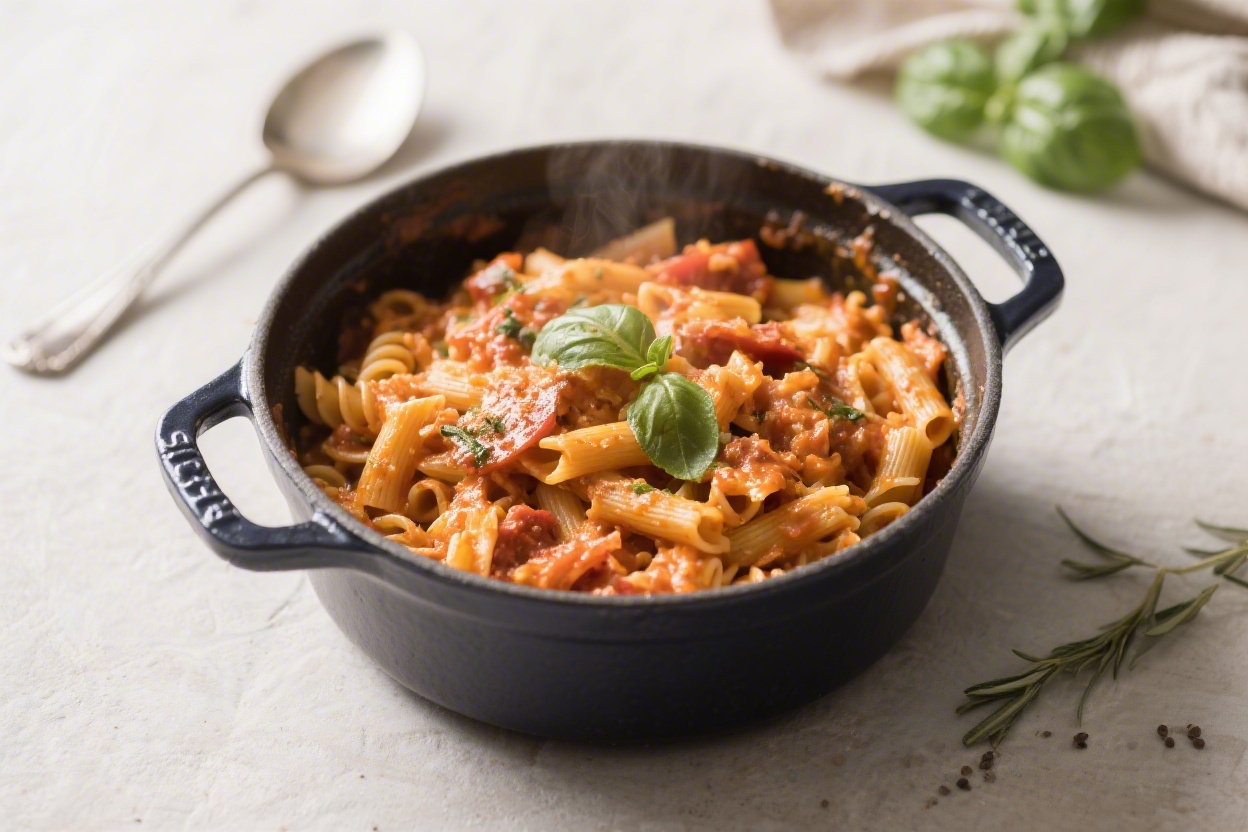
One Pot Pasta Recipe - Fast, Flavorful, and Fuss-Free
Ingredients
Method
- Prep your ingredients. Slice the onion and garlic. Halve the tomatoes.Chop herbs. If using greens, roughly chop them. Measure out the broth so it’s ready to pour.
- Choose the right pot. Use a wide, heavy pot or deep skillet with a lid.A large surface area helps the pasta cook evenly and prevents clumping.
- Sauté the aromatics. Add olive oil to the pot over medium heat. Cook the onion with a pinch of salt for 3–4 minutes until slightly softened. Add garlic and cook 30 seconds until fragrant.
- Layer the base flavors. Stir in tomatoes, red pepper flakes, and dried herbs.Cook 1–2 minutes to soften the tomatoes and bloom the spices.
- Add pasta and liquid. Lay the dry pasta in the pot. Pour in the broth. The liquid should just cover the pasta.If not, add a splash of water. Season with 1 teaspoon salt and a few grinds of pepper.
- Bring to a boil, then simmer. Increase heat to high to bring the pot to a boil, then reduce to a lively simmer. Stir frequently for the first few minutes to prevent sticking.
- Cook until al dente. Simmer uncovered for 9–12 minutes, depending on pasta shape, stirring now and then.If the liquid reduces too fast, add a little more broth or water. You want a loose, saucy consistency near the end.
- Finish with greens and herbs. When the pasta is nearly done, stir in spinach or kale. Cook 1–2 minutes until wilted.Add chopped basil or parsley, and adjust seasoning. For brightness, add a squeeze of lemon and a pinch of zest.
- Make it glossy. If the sauce looks thin, simmer 1 more minute. If it’s too thick, add a splash of water or broth.The pasta will keep absorbing liquid, so aim for slightly saucy.
- Serve with cheese. Plate immediately and top with grated Parmesan and extra herbs. A drizzle of olive oil or a pat of butter adds a luxurious finish.
Printable Recipe Card
Want just the essential recipe details without scrolling through the article? Get our printable recipe card with just the ingredients and instructions.