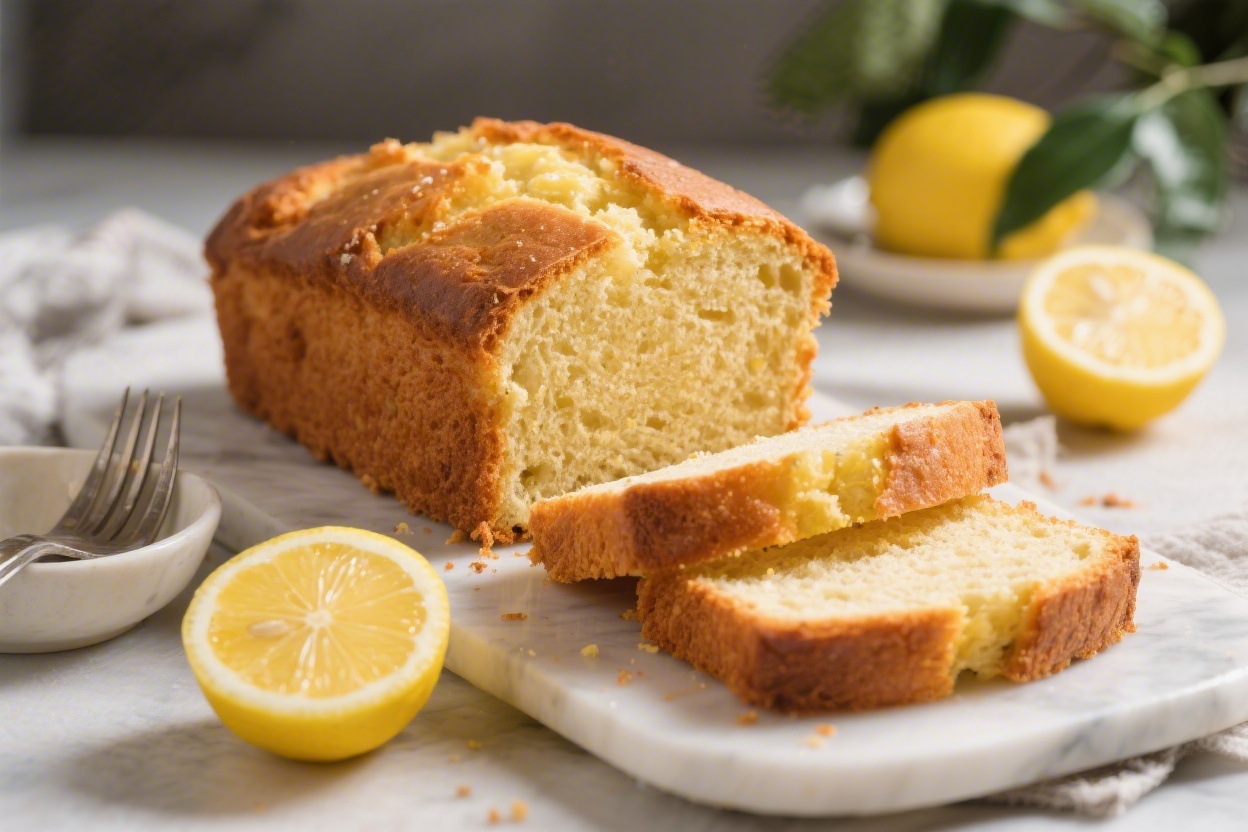
Yeast Bread Recipe – A Simple, Reliable Loaf for Everyday Baking
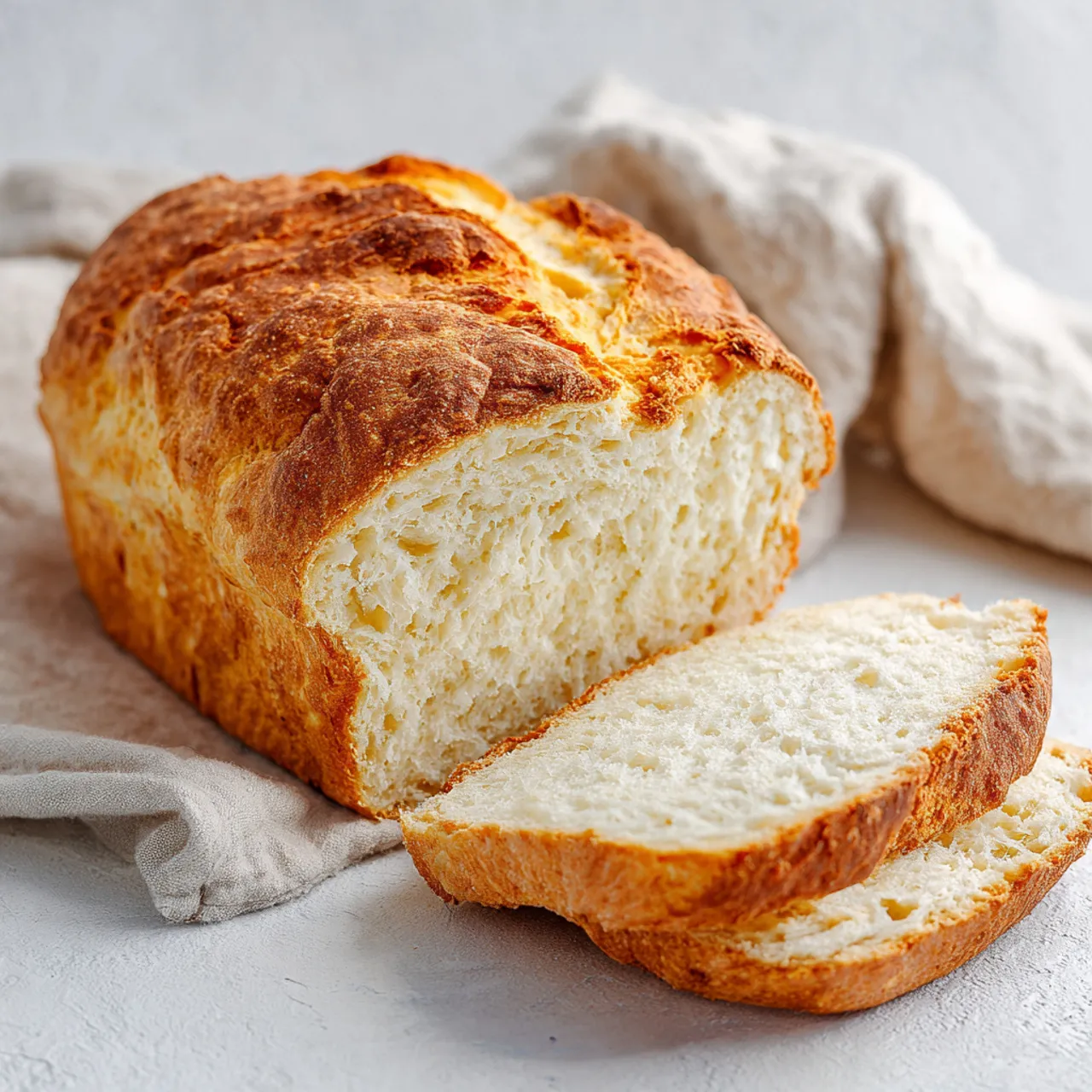
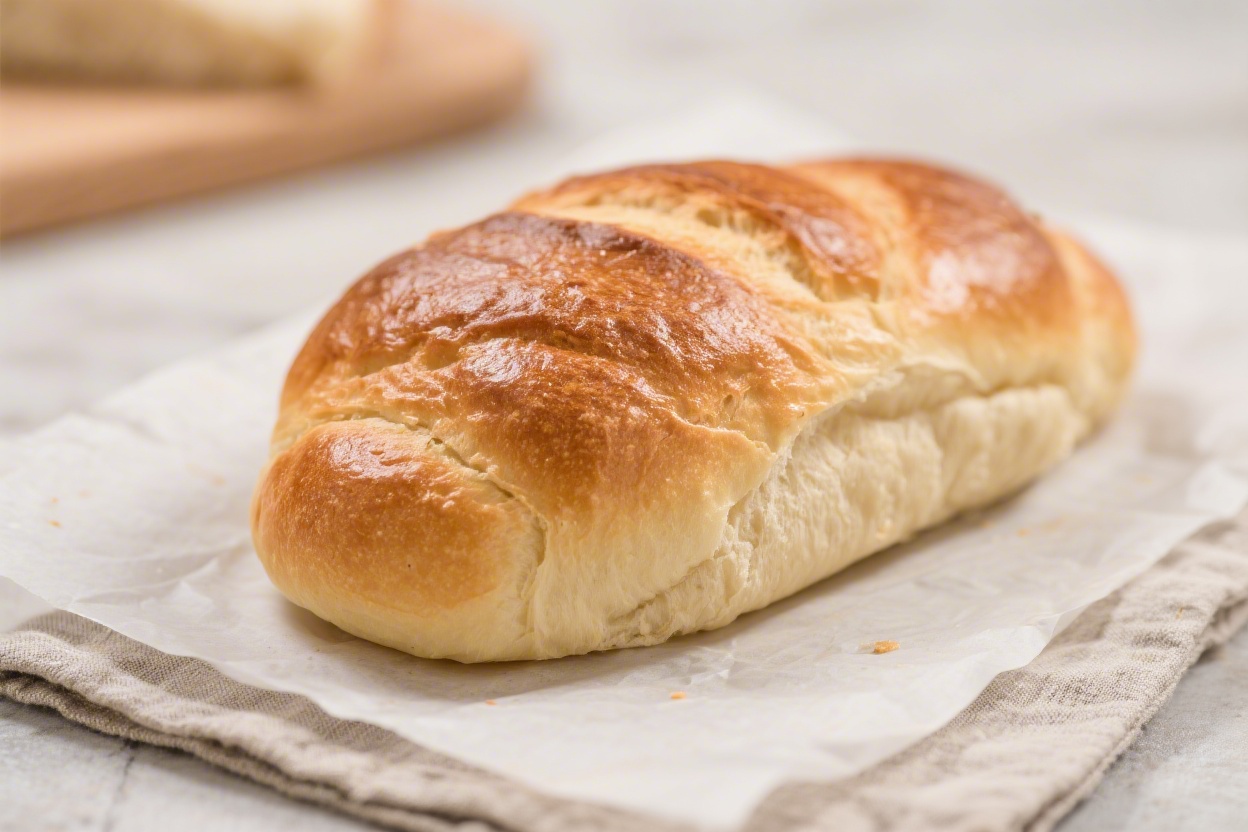
Nothing beats the smell of fresh bread coming out of the oven. This yeast bread recipe is straightforward, forgiving, and perfect for beginners and seasoned bakers alike. You’ll get a soft crumb, a golden crust, and that classic homemade flavor you can’t buy in a bag.
The steps are simple, the ingredients are basic, and the results are consistently great. If you’ve been nervous about working with yeast, this is the loaf that will make you feel confident.
Why This Recipe Works
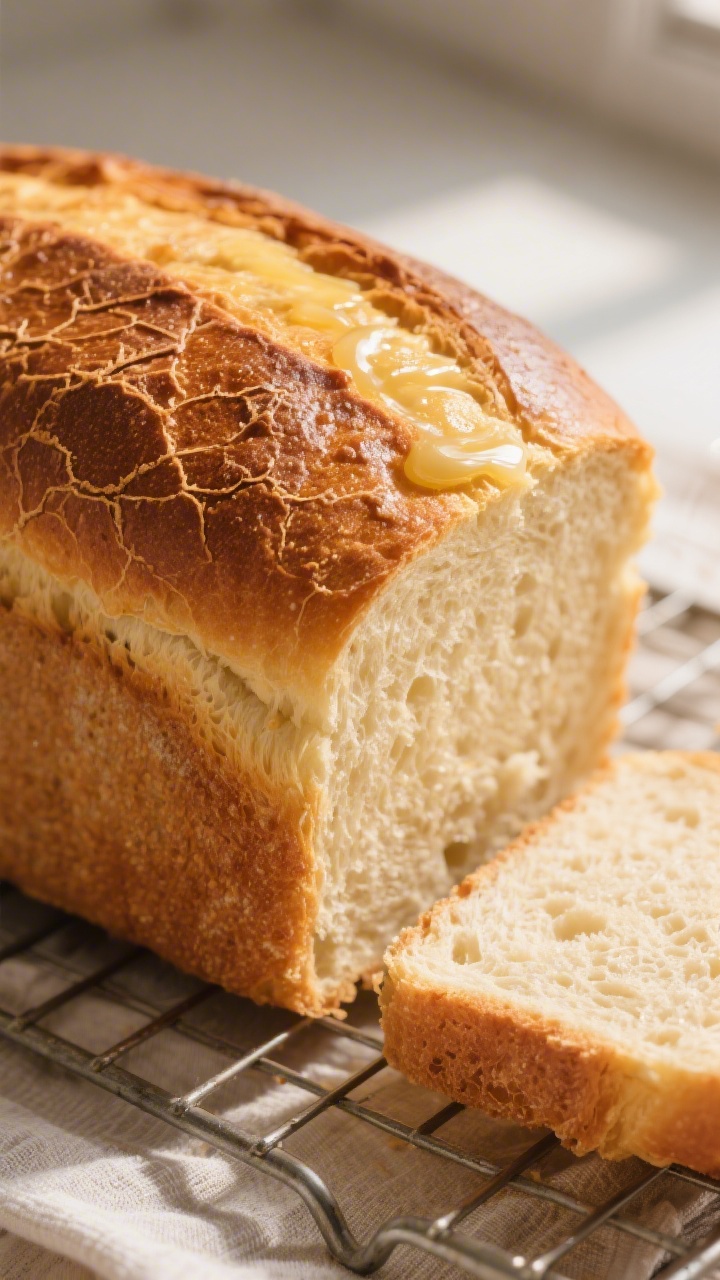
This bread relies on a balanced hydration, so the dough is easy to handle but still bakes up soft and airy. A two-rise method builds flavor and structure without complicated techniques.
The dough uses a mix of warm water, a touch of sugar, and oil to keep it tender and moist. Finally, baking at a slightly higher temperature helps you get that evenly browned crust without drying out the interior.
Ingredients
- 4 cups (480 g) bread flour, plus more for dusting (all-purpose flour works in a pinch)
- 1 and 1/3 cups (315 ml) warm water (about 105–110°F / 40–43°C)
- 2 and 1/4 teaspoons (7 g) active dry yeast (one standard packet) or the same amount of instant yeast
- 2 tablespoons granulated sugar
- 2 tablespoons olive oil (or neutral oil like canola)
- 1 and 1/2 teaspoons fine sea salt
- Optional: 1 tablespoon melted butter for brushing the top after baking
How to Make It
- Proof the yeast. In a large bowl, combine warm water and sugar, then sprinkle the yeast over the top. Let it stand for 5–10 minutes until foamy.
If nothing happens, your yeast may be dead or the water was too hot or too cool.
- Bring the dough together. Stir in the oil and salt. Add 3 1/2 cups of flour and mix with a wooden spoon until a shaggy dough forms. Add the remaining flour a little at a time until the dough starts to pull away from the sides of the bowl.
- Knead for structure. Turn the dough onto a lightly floured surface and knead for 8–10 minutes.
It should become smooth, elastic, and slightly tacky but not sticky. Add small pinches of flour as needed, but avoid overdoing it.
- First rise. Place the dough in a lightly oiled bowl, turning once to coat. Cover tightly with plastic wrap or a damp towel.
Let it rise in a warm, draft-free spot for 60–90 minutes, or until doubled in size.
- Shape the loaf. Gently punch down the dough to release air. Pat it into a rectangle, then roll it up tightly from the short end. Pinch the seam and tuck the ends under to form a smooth loaf.
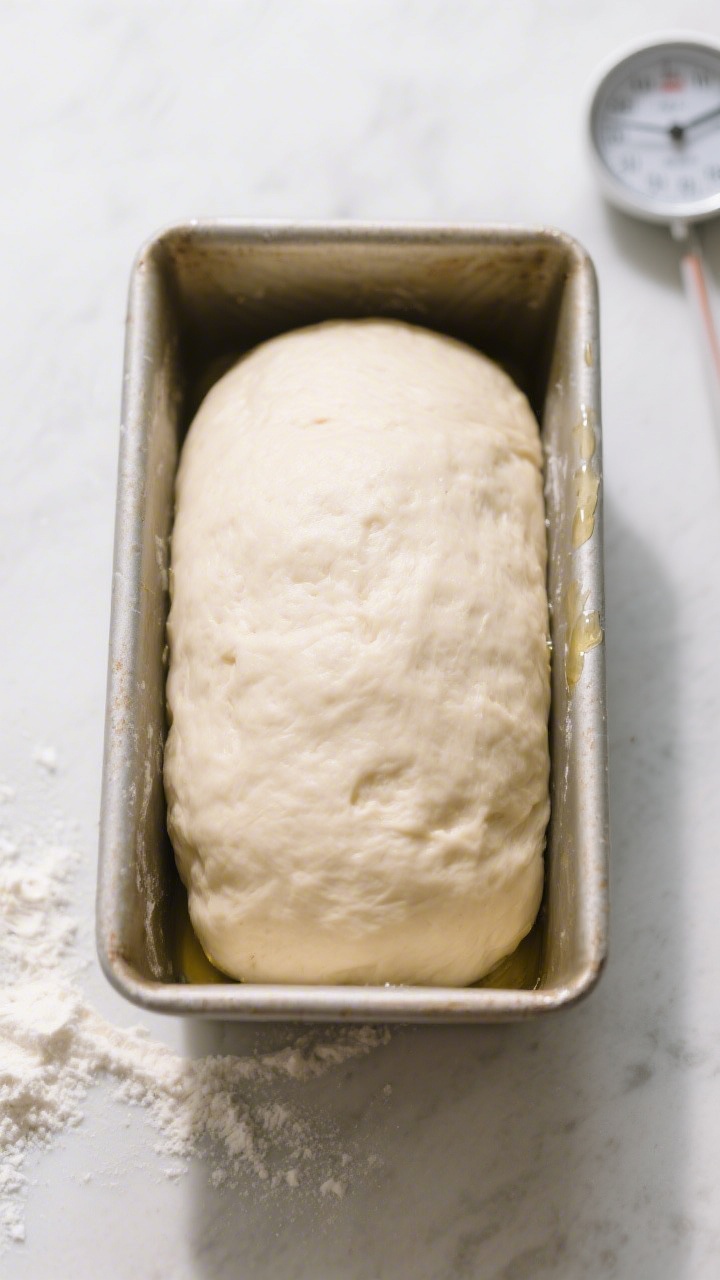
- Second rise. Place the loaf seam-side down into a greased 9×5-inch (23×13 cm) loaf pan.
Cover and let rise for 30–45 minutes, until the dough crowns about 1 inch above the rim.
- Preheat the oven. While the loaf rises, heat your oven to 375°F (190°C). This ensures steady heat and even baking from the start.
- Bake. Bake for 28–35 minutes, until the top is deeply golden and the loaf sounds hollow when tapped. An instant-read thermometer inserted into the center should read 190–195°F (88–90°C).
- Finish and cool. Turn the loaf out onto a rack right away to prevent a soggy bottom.
Brush the top with melted butter if you like a softer crust. Cool for at least 45 minutes before slicing.
Storage Instructions
- Room temperature: Store the fully cooled loaf in a bread box or wrapped in a clean kitchen towel for up to 3 days. Avoid the fridge, which dries bread out.
- Freezer: Slice the loaf, wrap tightly in plastic, and place in a freezer bag.
Freeze for up to 3 months. Toast slices straight from frozen or thaw at room temperature.
- Refresh: If your bread feels a bit stale, wrap it in foil and warm in a 300°F (150°C) oven for 8–10 minutes.
Health Benefits
- Simple ingredients: This loaf uses basic pantry items without preservatives or additives you’ll find in many store-bought breads.
- Energy and fiber: Bread provides carbohydrates for steady energy. Swap in part whole wheat flour to increase fiber and micronutrients like iron and magnesium.
- Customizable sodium: You control the salt level, which can support heart health goals compared to many commercial loaves.
- Healthy fats option: Using olive oil adds a small amount of heart-friendly monounsaturated fat.
Pitfalls to Watch Out For
- Water too hot or too cold: Hot water can kill yeast; cold water will slow it down.
Aim for warm but comfortable to the touch.
- Too much flour: A stiff dough leads to dense bread. Keep the dough slightly tacky and resist adding extra flour unless necessary.
- Under-kneading: Without proper gluten development, the loaf won’t rise well. Knead until it’s smooth and elastic.
- Over-proofing: If the dough rises too long, it can collapse in the oven.
Bake when it’s about doubled, not ballooned.
- Slicing too soon: Cutting hot bread releases steam and dries it out. Let it cool so the crumb sets properly.
Variations You Can Try
- Half whole wheat: Replace 1–2 cups of bread flour with whole wheat flour. Add 1–2 tablespoons of extra water if the dough feels dry.
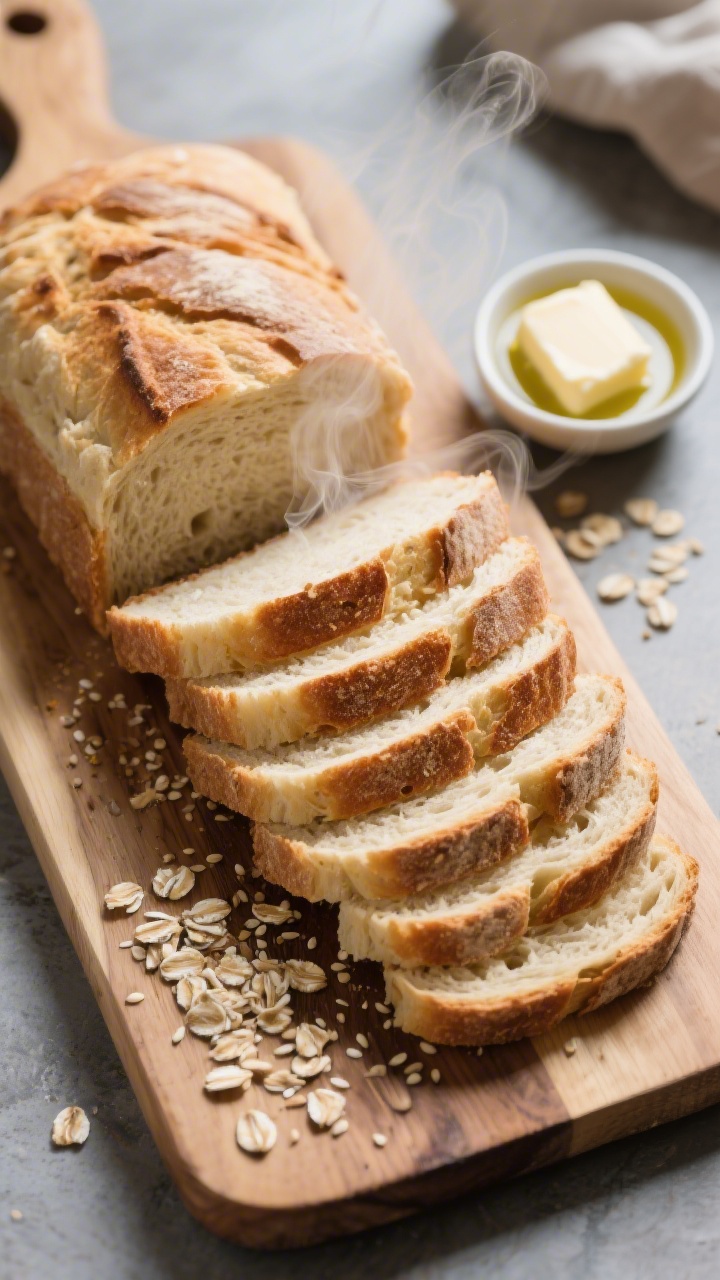
- Honey oat loaf: Swap sugar for 2 tablespoons honey and knead in 1/2 cup old-fashioned oats.
Sprinkle oats on top before baking.
- Garlic herb: Add 2 teaspoons dried Italian herbs and 2–3 minced garlic cloves to the dough for a savory loaf.
- Seeded crust: Brush the shaped loaf with water and roll it in sesame, poppy, or sunflower seeds before the second rise.
- Cinnamon swirl: Before shaping, spread the rectangle with 2 tablespoons soft butter, 1/4 cup sugar, and 1 tablespoon cinnamon. Roll up tightly and bake as directed.
FAQ
Can I use instant yeast instead of active dry yeast?
Yes. Use the same amount.
You can mix instant yeast directly with the dry ingredients and skip the proofing step, though proofing never hurts if you want to check freshness.
What if my dough isn’t rising?
Check the yeast’s age and your water temperature. Move the bowl to a warmer spot, like an oven with the light on. If there’s still no activity after 20–30 minutes, your yeast may be inactive and you’ll need to start over.
How do I make a crispier crust?
Bake on the middle rack and place a small pan of hot water on the lower rack for the first 10 minutes to add steam.
Skip the butter brushing and let the loaf cool fully on a rack.
Can I knead the dough in a stand mixer?
Absolutely. Use the dough hook on medium-low speed for 6–8 minutes, watching the texture. Stop once it’s smooth and slightly tacky.
Why did my loaf cave in the middle?
It was likely over-proofed or under-baked.
Next time, bake when the dough has risen just above the pan rim, and confirm an internal temperature around 190–195°F.
Is bread flour necessary?
No, but it helps with structure and chew. All-purpose flour works fine; the crumb will be a touch softer and less chewy.
Can I add milk instead of water?
Yes. Using warm milk makes a richer, softer loaf.
Keep the temperature in the same range and monitor browning, as milk sugars can darken the crust faster.
Final Thoughts
This yeast bread recipe delivers a classic, dependable loaf with minimal fuss. With a little patience and a warm spot on your counter, you’ll get tender slices perfect for toast, sandwiches, or butter straight from the knife. Once you’ve nailed the basics, play with flours, mix-ins, and toppings to make it your own.
Homemade bread is simple, satisfying, and well worth the hour or two it takes from bowl to oven.
Yeast Bread Recipe - A Simple, Reliable Loaf for Everyday Baking
Ingredients
Method
- Proof the yeast. In a large bowl, combine warm water and sugar, then sprinkle the yeast over the top. Let it stand for 5–10 minutes until foamy.If nothing happens, your yeast may be dead or the water was too hot or too cool.
- Bring the dough together. Stir in the oil and salt. Add 3 1/2 cups of flour and mix with a wooden spoon until a shaggy dough forms. Add the remaining flour a little at a time until the dough starts to pull away from the sides of the bowl.
- Knead for structure. Turn the dough onto a lightly floured surface and knead for 8–10 minutes.It should become smooth, elastic, and slightly tacky but not sticky. Add small pinches of flour as needed, but avoid overdoing it.
- First rise. Place the dough in a lightly oiled bowl, turning once to coat. Cover tightly with plastic wrap or a damp towel.Let it rise in a warm, draft-free spot for 60–90 minutes, or until doubled in size.
- Shape the loaf. Gently punch down the dough to release air. Pat it into a rectangle, then roll it up tightly from the short end. Pinch the seam and tuck the ends under to form a smooth loaf.
- Second rise. Place the loaf seam-side down into a greased 9x5-inch (23x13 cm) loaf pan.Cover and let rise for 30–45 minutes, until the dough crowns about 1 inch above the rim.
- Preheat the oven. While the loaf rises, heat your oven to 375°F (190°C). This ensures steady heat and even baking from the start.
- Bake. Bake for 28–35 minutes, until the top is deeply golden and the loaf sounds hollow when tapped. An instant-read thermometer inserted into the center should read 190–195°F (88–90°C).
- Finish and cool. Turn the loaf out onto a rack right away to prevent a soggy bottom.Brush the top with melted butter if you like a softer crust. Cool for at least 45 minutes before slicing.
Printable Recipe Card
Want just the essential recipe details without scrolling through the article? Get our printable recipe card with just the ingredients and instructions.