Wheat Bread Recipe – A Simple, Reliable Loaf for Everyday Sandwiches
There’s something satisfying about pulling a warm loaf of wheat bread from your own oven. The smell alone is worth the effort, but the soft crumb and hearty flavor seal the deal. This recipe is beginner-friendly, quick to learn, and easy to repeat with consistent results.
You’ll get a loaf that slices nicely for toast and sandwiches, with a balanced wheat flavor that isn’t heavy. No special equipment needed—just a bowl, a pan, and a little patience.
Why This Recipe Works
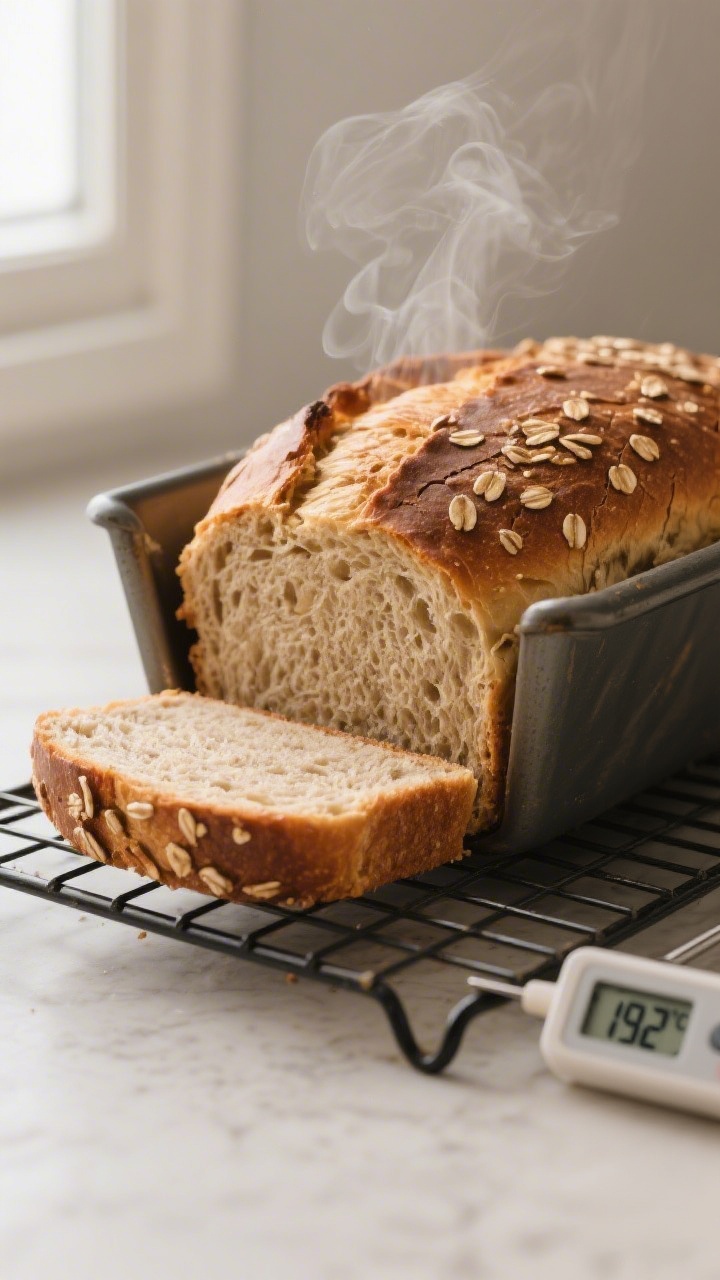
This wheat bread balances whole wheat flour with bread flour, so you get flavor and fiber without a dense, brick-like loaf. A touch of honey and oil adds moisture and tenderness, keeping the bread soft for days.
The proofing schedule is straightforward and forgiving, making it great for busy home bakers. With clear cues to watch for—like dough texture and rise—you’ll avoid most common bread pitfalls.
Ingredients
- 2 cups (260 g) whole wheat flour
- 1½ cups (200 g) bread flour (or all-purpose, if needed)
- 1½ teaspoons fine salt
- 2¼ teaspoons instant yeast (one 7 g packet; active dry also works—see notes below)
- 1⅓ cups (315 ml) warm water (about 105–115°F / 40–46°C)
- 3 tablespoons honey (or brown sugar)
- 2 tablespoons neutral oil (such as canola, vegetable, or light olive oil)
- Optional: 2 tablespoons milk powder for extra softness
- Optional topping: oats or wheat bran for sprinkling
Instructions
- Mix the wet ingredients. In a large bowl, whisk warm water, honey, and oil until the honey dissolves. If using active dry yeast, sprinkle it over the water and let it sit for 5–10 minutes until foamy.
For instant yeast, move to the next step.
- Combine the dry ingredients. In a separate bowl, mix whole wheat flour, bread flour, salt, and milk powder (if using). Add instant yeast here if you didn’t bloom active dry yeast.
- Form the dough. Add the dry mixture to the wet ingredients. Stir with a spoon or spatula until a shaggy dough forms and no dry spots remain.
- Knead to smooth. Turn the dough onto a lightly floured surface.
Knead for 8–10 minutes, adding flour only as needed to keep it from sticking. The dough should become smooth, elastic, and slightly tacky, not dry. If using a stand mixer, knead with a dough hook on medium-low for 6–8 minutes.
- First rise. Place the dough in a lightly oiled bowl, turning once to coat.
Cover with a damp towel or plastic wrap and let it rise in a warm spot until doubled, about 60–90 minutes. A fingertip dent should spring back slowly and leave a light mark.
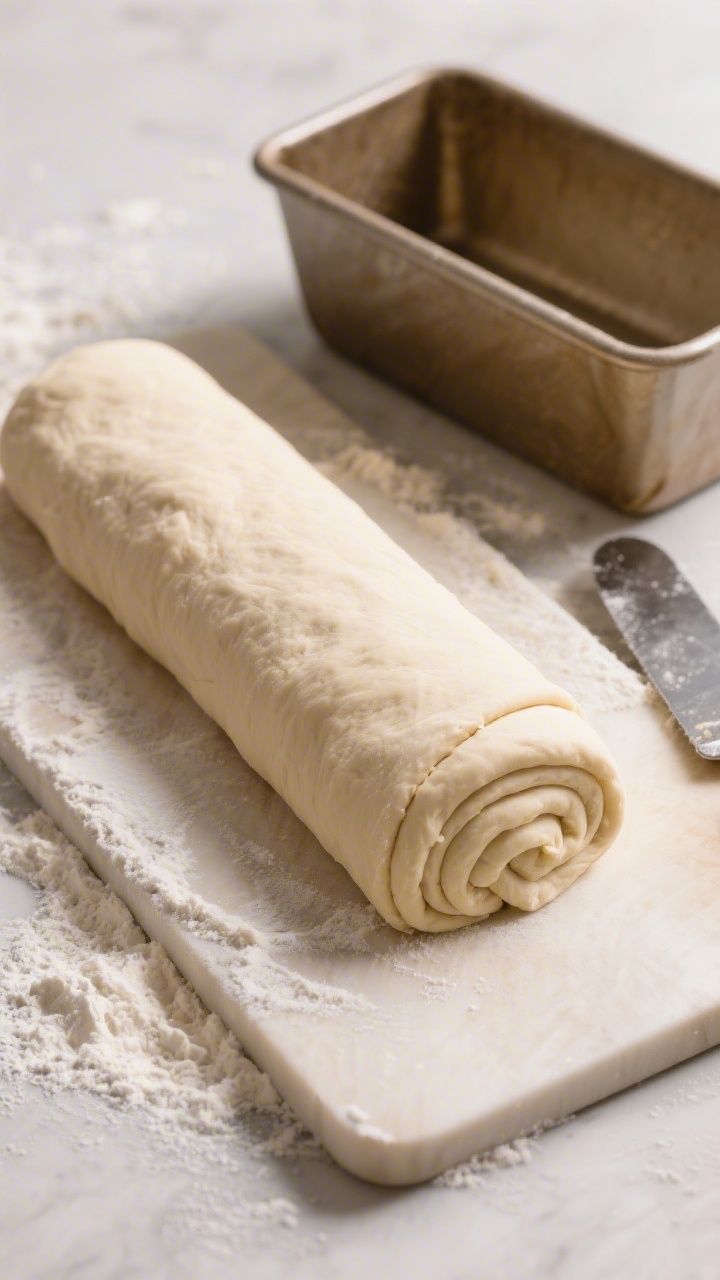
- Shape the loaf. Gently deflate the dough and pat it into a rectangle roughly 8×12 inches. Roll it up tightly from the short end, pinching the seam closed.
Tuck the ends under.
- Second rise. Place the shaped loaf seam-side down in a greased 8½x4½-inch or 9×5-inch loaf pan. Cover and let it rise until the dome is about 1 inch above the pan rim, 35–60 minutes, depending on your kitchen temperature.
- Preheat and top. Preheat your oven to 375°F (190°C). If you like, brush the top with a little water or milk and sprinkle oats or wheat bran.
- Bake. Bake for 30–35 minutes.
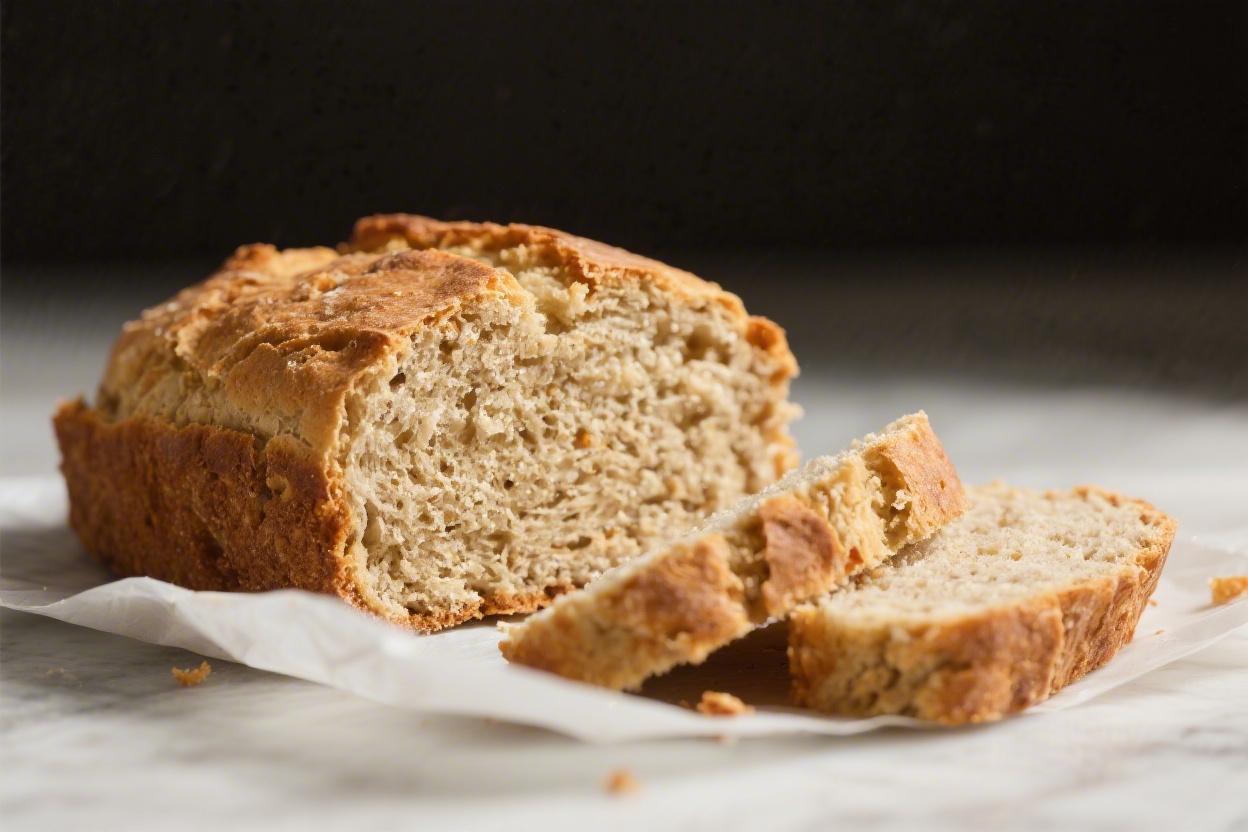
The top should be deep golden brown. The loaf sounds hollow when tapped, and an instant-read thermometer inserted in the center reads 190–195°F (88–90°C).
- Cool properly. Remove from the pan after 10 minutes and cool on a wire rack for at least 1 hour before slicing. This sets the crumb and prevents gumminess.
Storage Instructions
- Room temperature: Store the cooled loaf in a bread box or wrapped in a clean towel for up to 2 days.
For longer softness, place in a resealable bag for 3–4 days.
- Freezer: Slice, then freeze in a zip-top bag for up to 3 months. Toast slices straight from the freezer, or thaw at room temperature.
- Avoid refrigeration: The fridge can dry out bread and speed staling.
Benefits of This Recipe
- Softer texture with whole wheat flavor: The blend of flours keeps the loaf light while still tasting wholesome.
- Meal-prep friendly: One bake gives you a week of toast and sandwiches; slices freeze well.
- Budget-wise: Pantry ingredients, no fancy tools, and reliable results.
- Customizable: Add seeds, swap sweeteners, or use different oils without losing structure.
Common Mistakes to Avoid
- Water too hot or too cold: Overly hot water can kill yeast; too cold will slow fermentation. Aim for warm bath temperature.
- Adding too much flour: Sticky dough is normal at first.
Dust lightly as you knead, but keep the dough slightly tacky for a softer crumb.
- Underproofing or overproofing: Watch volume and dough feel, not just the clock. A properly risen loaf springs back slowly when poked.
- Slicing too soon: Cutting hot bread compresses the crumb and makes it gummy. Let it cool at least an hour.
Alternatives
- Sweetener swap: Replace honey with maple syrup or brown sugar 1:1.
For unsweetened, reduce to 1 tablespoon, but expect a slightly less tender loaf.
- Flour variations: Use white whole wheat flour for a lighter color and milder flavor. For 100% whole wheat, expect a denser loaf; add 1–2 tablespoons extra water as needed.
- Dairy-enriched: Substitute half the water with warm milk for a richer, softer crumb.
- Seeded version: Knead in 3–4 tablespoons mixed seeds (sunflower, sesame, flax) after the first rise.
- No oil: Omit oil and add 1 extra tablespoon water. The crust will be chewier and the crumb slightly drier.
FAQ
Can I make this without a stand mixer?
Yes.
Hand kneading works perfectly. Use a bench scraper to help manage stickiness, and knead until the dough is smooth, stretchy, and just a bit tacky.
What’s the difference between instant and active dry yeast here?
Instant yeast can be mixed directly with the flour. Active dry yeast needs to be bloomed in warm water first.
Both produce similar results as long as your yeast is fresh and the water temperature is right.
How do I know if I’ve kneaded enough?
The dough should feel elastic and pass a quick “windowpane” test: stretch a small piece between your fingers—if it thins without tearing and lets some light through, you’re close. If it rips immediately, knead a bit longer.
My loaf is dense. What went wrong?
Common causes are too much flour, under-kneading, or underproofing.
Measure flour by weight if possible, knead until elastic, and let the dough truly double on the first rise.
Can I bake this as rolls?
Yes. After the first rise, divide into 10–12 pieces, shape into balls, proof on a greased or lined sheet until puffy, and bake at 375°F (190°C) for 15–18 minutes.
How can I get a softer crust?
Brush the hot loaf with melted butter right after baking and cool under a towel. Storing in a bag after fully cooling also softens the crust.
Do I need bread flour?
No.
All-purpose flour works; the loaf will be slightly less chewy. If using all-purpose, try not to add extra flour during kneading to keep it soft.
Can I use a bread machine?
Yes. Use the dough cycle for mixing and first rise, then shape by hand and bake in a loaf pan for better oven spring.
Or bake fully in the machine if you prefer.
Wrapping Up
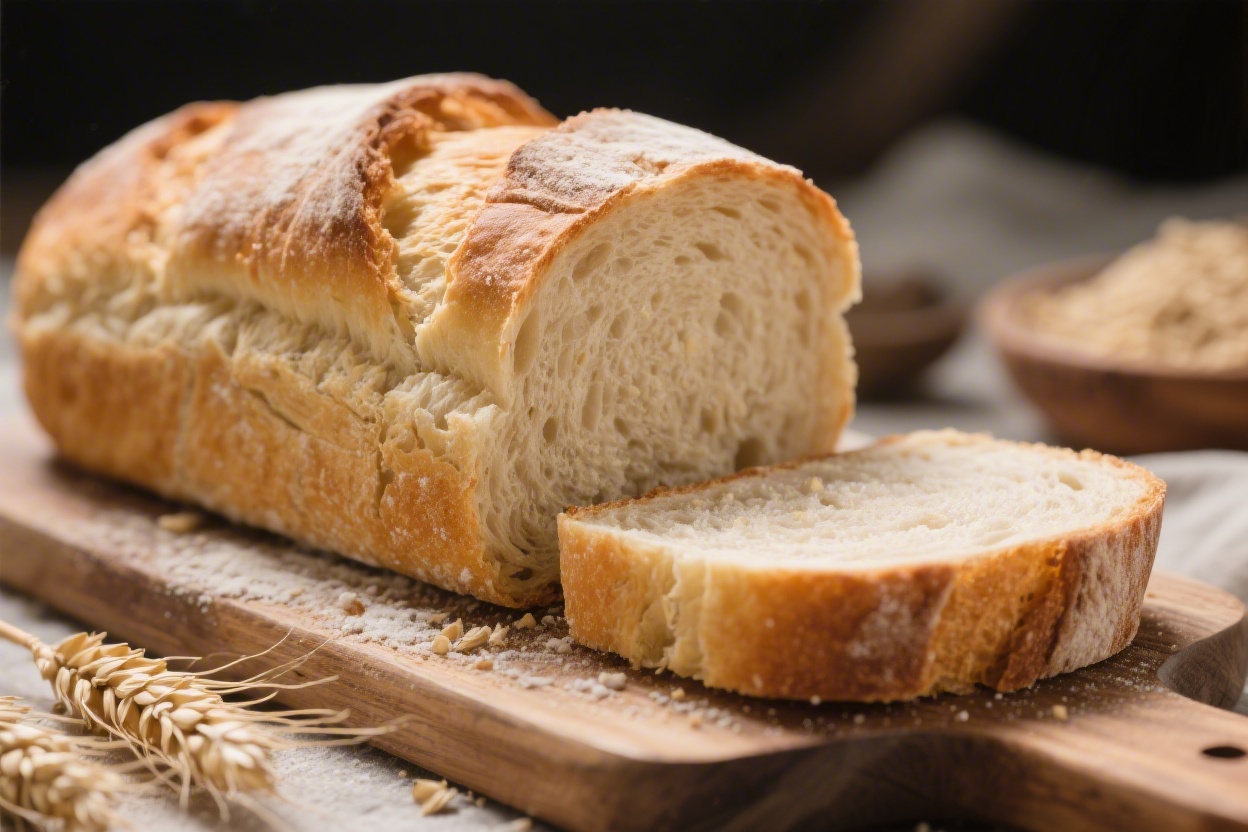
This wheat bread recipe gives you a soft, flavorful loaf that’s easy to bake on a weeknight and sturdy enough for daily sandwiches. With a few basic ingredients and simple techniques, you’ll have a reliable staple you can customize to taste. Once you make your first loaf, you’ll find it hard to go back to store-bought.
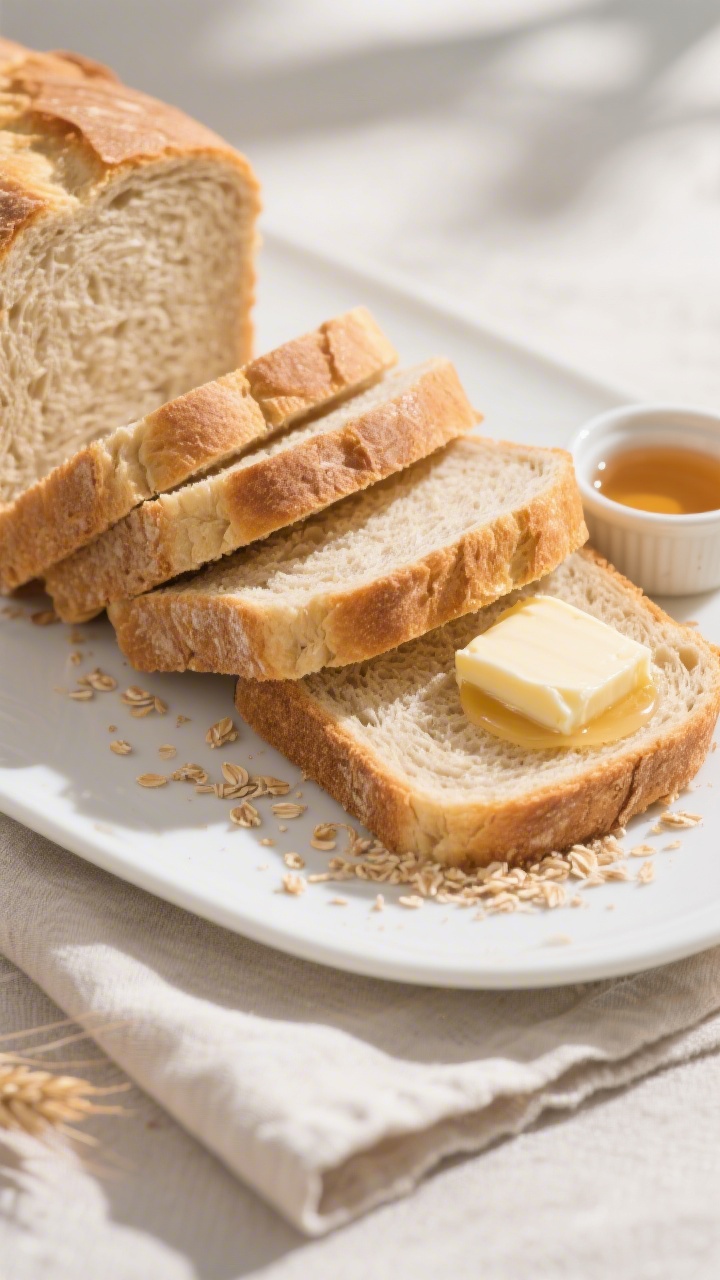
Warm slice, a bit of butter—done.
Wheat Bread Recipe - A Simple, Reliable Loaf for Everyday Sandwiches
Ingredients
Method
- Mix the wet ingredients. In a large bowl, whisk warm water, honey, and oil until the honey dissolves. If using active dry yeast, sprinkle it over the water and let it sit for 5–10 minutes until foamy.For instant yeast, move to the next step.
- Combine the dry ingredients. In a separate bowl, mix whole wheat flour, bread flour, salt, and milk powder (if using). Add instant yeast here if you didn’t bloom active dry yeast.
- Form the dough. Add the dry mixture to the wet ingredients. Stir with a spoon or spatula until a shaggy dough forms and no dry spots remain.
- Knead to smooth. Turn the dough onto a lightly floured surface.Knead for 8–10 minutes, adding flour only as needed to keep it from sticking. The dough should become smooth, elastic, and slightly tacky, not dry. If using a stand mixer, knead with a dough hook on medium-low for 6–8 minutes.
- First rise. Place the dough in a lightly oiled bowl, turning once to coat.Cover with a damp towel or plastic wrap and let it rise in a warm spot until doubled, about 60–90 minutes. A fingertip dent should spring back slowly and leave a light mark.
- Shape the loaf. Gently deflate the dough and pat it into a rectangle roughly 8x12 inches. Roll it up tightly from the short end, pinching the seam closed.Tuck the ends under.
- Second rise. Place the shaped loaf seam-side down in a greased 8½x4½-inch or 9x5-inch loaf pan. Cover and let it rise until the dome is about 1 inch above the pan rim, 35–60 minutes, depending on your kitchen temperature.
- Preheat and top. Preheat your oven to 375°F (190°C). If you like, brush the top with a little water or milk and sprinkle oats or wheat bran.
- Bake. Bake for 30–35 minutes.The top should be deep golden brown. The loaf sounds hollow when tapped, and an instant-read thermometer inserted in the center reads 190–195°F (88–90°C).
- Cool properly. Remove from the pan after 10 minutes and cool on a wire rack for at least 1 hour before slicing. This sets the crumb and prevents gumminess.
Printable Recipe Card
Want just the essential recipe details without scrolling through the article? Get our printable recipe card with just the ingredients and instructions.