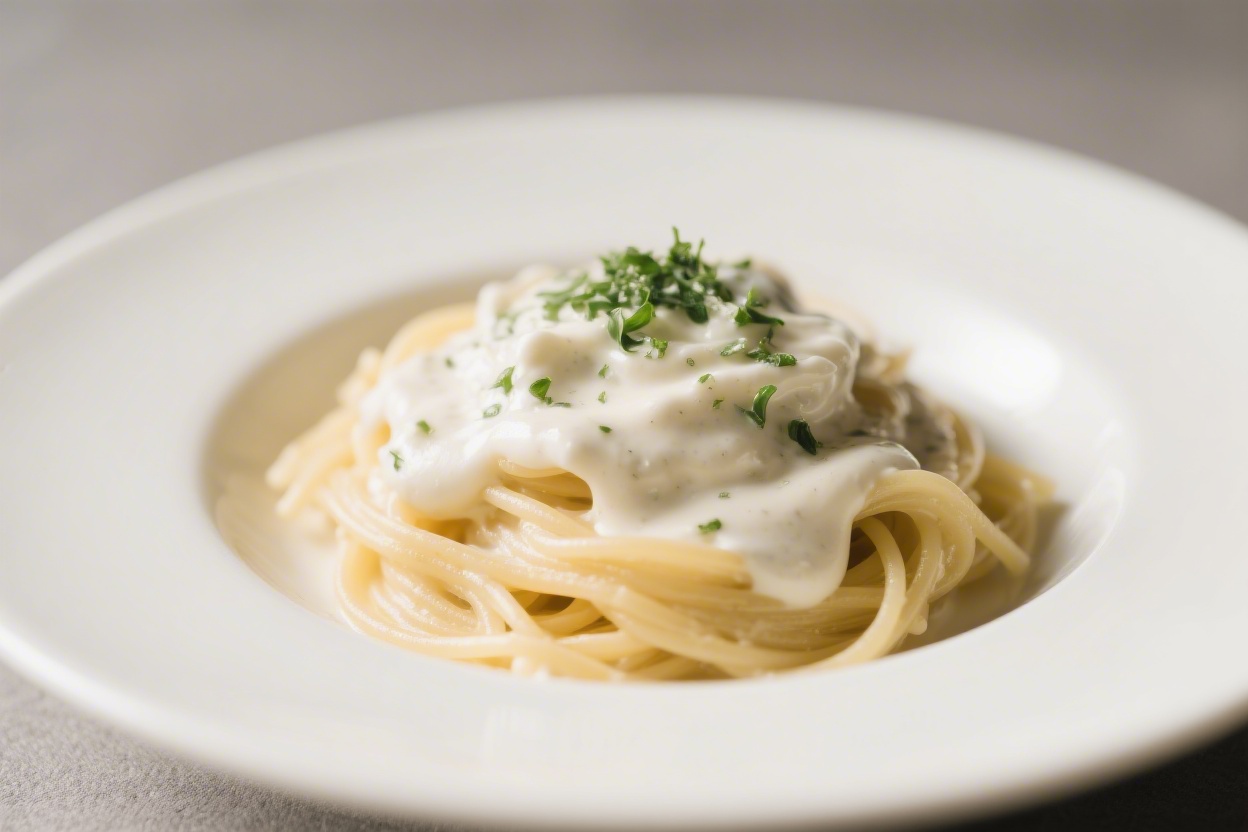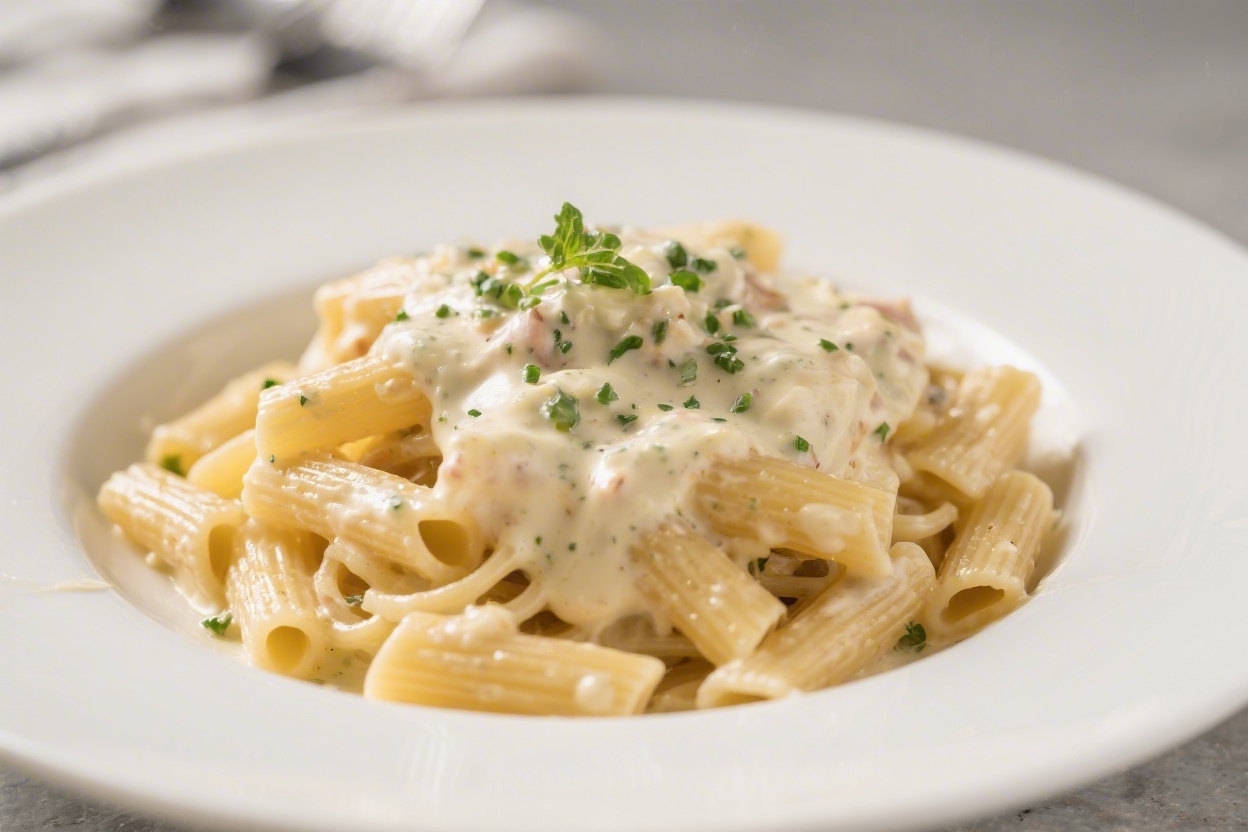
Tomato Pasta Recipe – Simple, Fresh, and Comforting
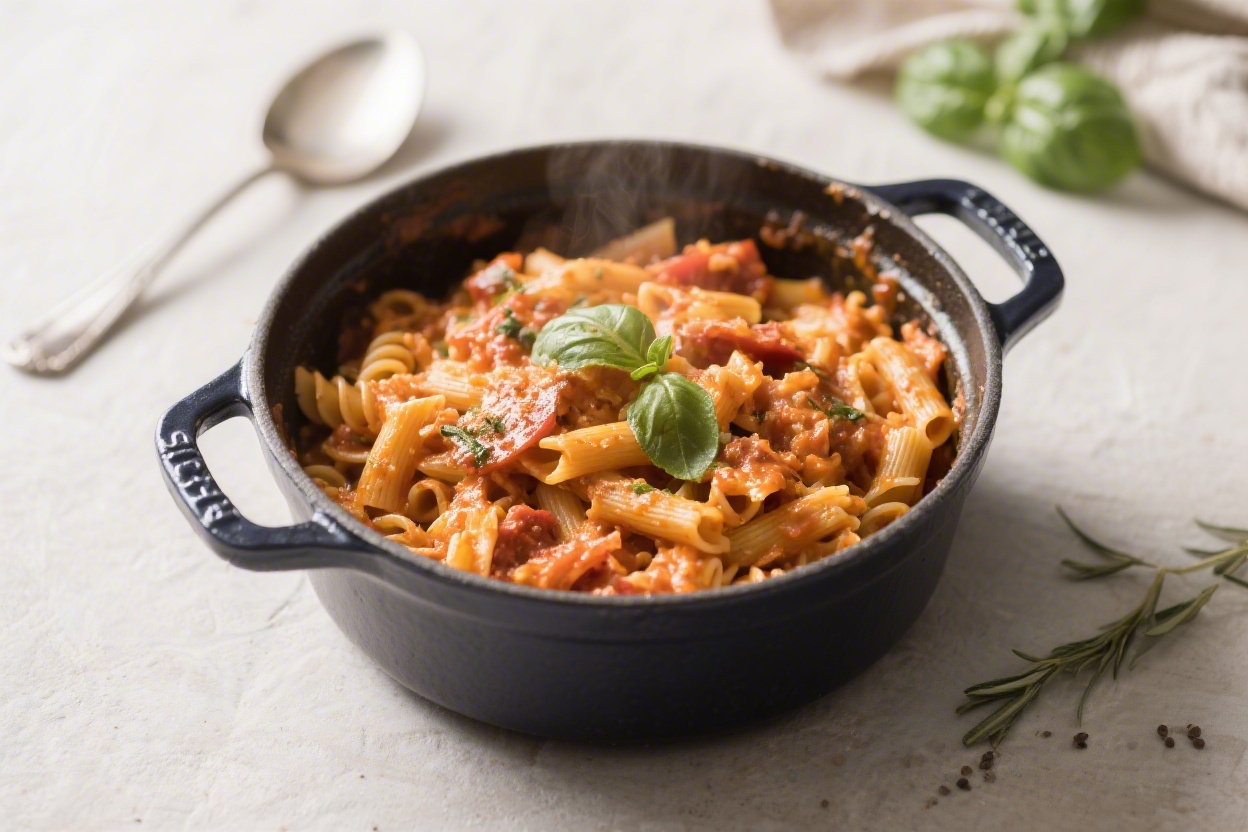
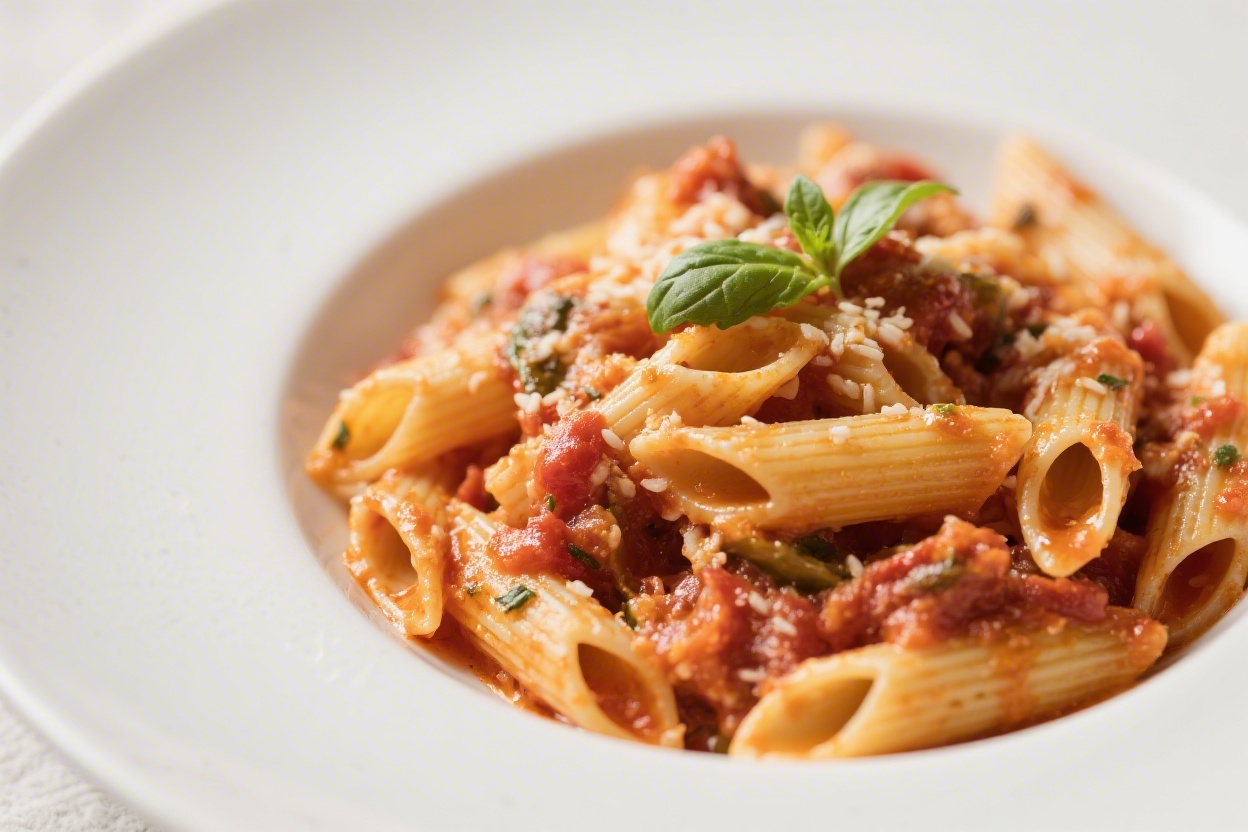
This tomato pasta recipe is the kind you keep returning to—simple ingredients, quick steps, and a big payoff in flavor. It’s the classic weeknight meal that tastes like something special. The sauce is bright, rich, and silky, without needing any heavy cream.
Everything comes together in one pan while the pasta cooks. If you’re craving comfort with minimal effort, this is your new go-to.
Why This Recipe Works
- Simple ingredients, big flavor: Garlic, tomatoes, and olive oil create a sauce that’s naturally sweet and savory.
- Balanced acidity: A pinch of sugar or a knob of butter rounds out sharp tomato flavors without making the sauce heavy.
- Starchy pasta water: Using pasta water emulsifies the sauce so it clings to every strand or shape.
- Quick technique: Building flavor with garlic and simmering tomatoes briefly keeps the sauce fresh and bright.
- Flexible base: You can add herbs, chili, or cheese to match your mood without breaking the recipe.
What You’ll Need
- 12 oz (340 g) pasta (spaghetti, penne, or rigatoni work well)
- 3 tbsp extra-virgin olive oil
- 3–4 garlic cloves, thinly sliced
- 1/2 tsp red pepper flakes (optional, for gentle heat)
- 1 can (28 oz / 800 g) crushed or whole peeled tomatoes (San Marzano if possible)
- 1 tsp sugar (optional, to balance acidity)
- 1–2 tbsp unsalted butter (optional, for silkiness)
- Salt and black pepper, to taste
- Fresh basil or parsley, a small handful, torn
- Freshly grated Parmesan or Pecorino Romano, for serving
Instructions
- Boil the pasta: Bring a large pot of salted water to a rolling boil. Add the pasta and cook until just shy of al dente.
Reserve 1 cup of pasta water, then drain.
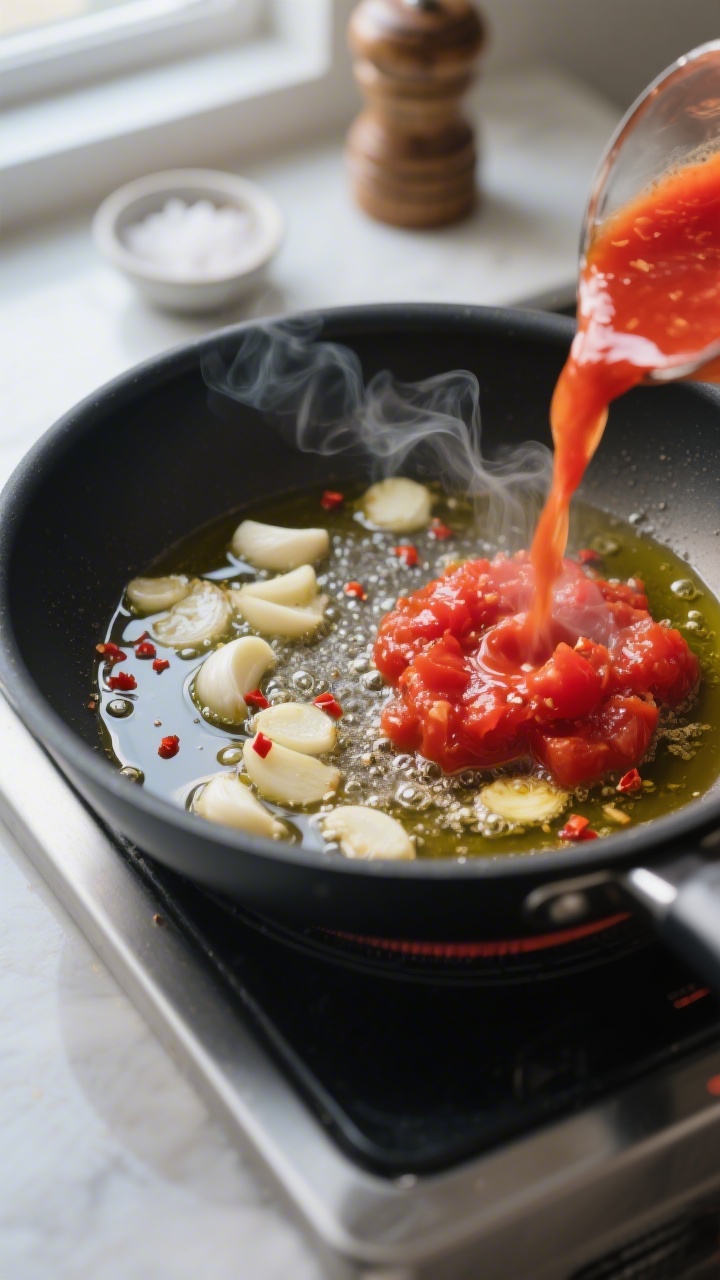
- Warm the oil: While the pasta cooks, heat olive oil in a wide skillet over medium heat. Add the sliced garlic and red pepper flakes. Cook 60–90 seconds until the garlic is fragrant and just turning golden—don’t let it brown.
- Build the sauce: Pour in the tomatoes.
If using whole tomatoes, crush them with a spoon. Season with a generous pinch of salt and a few grinds of pepper. Add the sugar if your tomatoes are very acidic.
- Simmer briefly: Let the sauce bubble gently for 8–10 minutes, stirring now and then.
You want a lightly thickened, glossy sauce that still tastes fresh.
- Finish with butter (optional): Stir in the butter for a rounder, silkier finish. Taste and adjust seasoning.
- Marry pasta and sauce: Add the drained pasta to the skillet. Toss over medium heat, adding splashes of reserved pasta water until the sauce clings to the pasta and looks shiny.
This usually takes 1–3 minutes.
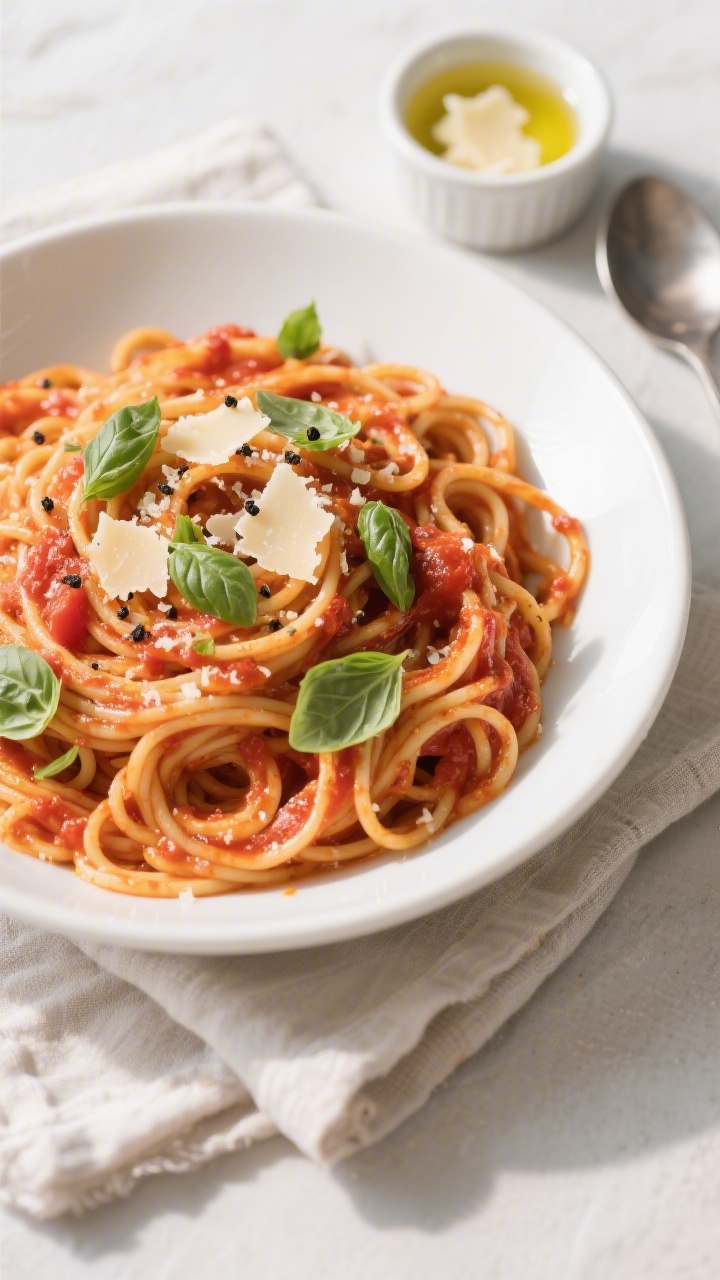
- Add herbs and cheese: Turn off the heat. Fold in torn basil or parsley. Plate and top with grated Parmesan.
- Serve hot: Finish with a drizzle of good olive oil, extra pepper, and more cheese if you like.
How to Store
- Refrigerator: Store leftovers in an airtight container for up to 4 days.
Reheat gently on the stove with a splash of water or olive oil.
- Freezer: Freeze the sauce on its own (without pasta) for up to 3 months. Thaw overnight in the fridge, then reheat and add freshly cooked pasta.
- Meal prep tip: Keep cooked pasta and sauce separate for best texture. Combine just before serving.
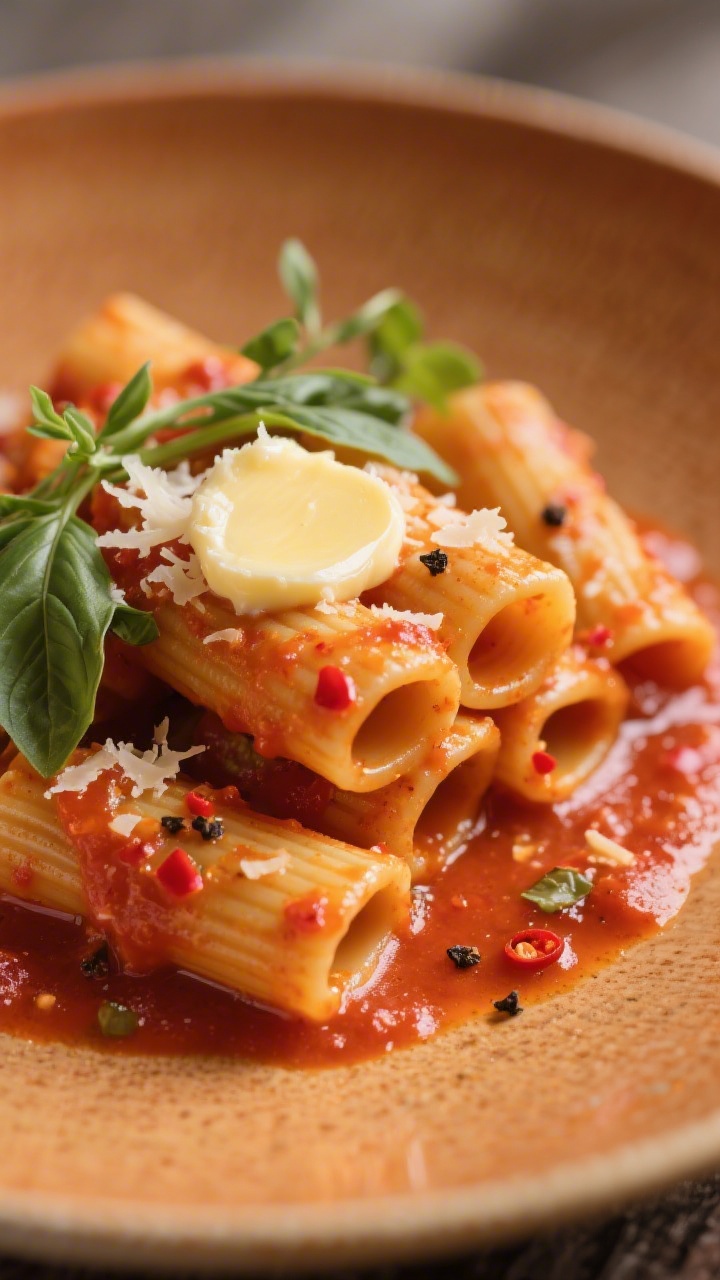
Why This is Good for You
- Tomatoes are rich in lycopene: Cooking tomatoes in olive oil helps your body absorb this antioxidant, linked to heart health.
- Olive oil provides healthy fats: It supports satiety and brings out the flavor of the sauce without heavy cream.
- Balanced energy: Pasta offers steady carbohydrates, especially if you choose whole-wheat or high-fiber varieties.
- Fresh herbs and garlic: They add micronutrients and anti-inflammatory compounds without extra calories.
Pitfalls to Watch Out For
- Overcooking the garlic: Burnt garlic turns bitter fast.
Keep the heat moderate and watch closely.
- Skipping the pasta water: This starchy liquid is your secret to a cohesive, glossy sauce. Don’t forget to save some before draining.
- Underseasoning: Salt the pasta water generously and taste the sauce as you go. Tomatoes need enough salt to shine.
- Watery sauce: If the sauce looks thin, simmer a few minutes longer before adding pasta.
It should lightly coat a spoon.
- Adding cheese too early: Cheese can clump if added over high heat. Turn off the heat before tossing it in.
Alternatives
- Fresh tomatoes: In summer, use 2 lbs of ripe tomatoes, chopped. Cook a few minutes longer to reduce their juices.
- Creamy version: Swirl in a splash of heavy cream or a dollop of ricotta at the end for a softer, richer sauce.
- Spicy arrabbiata: Increase red pepper flakes and add a pinch of smoked paprika.
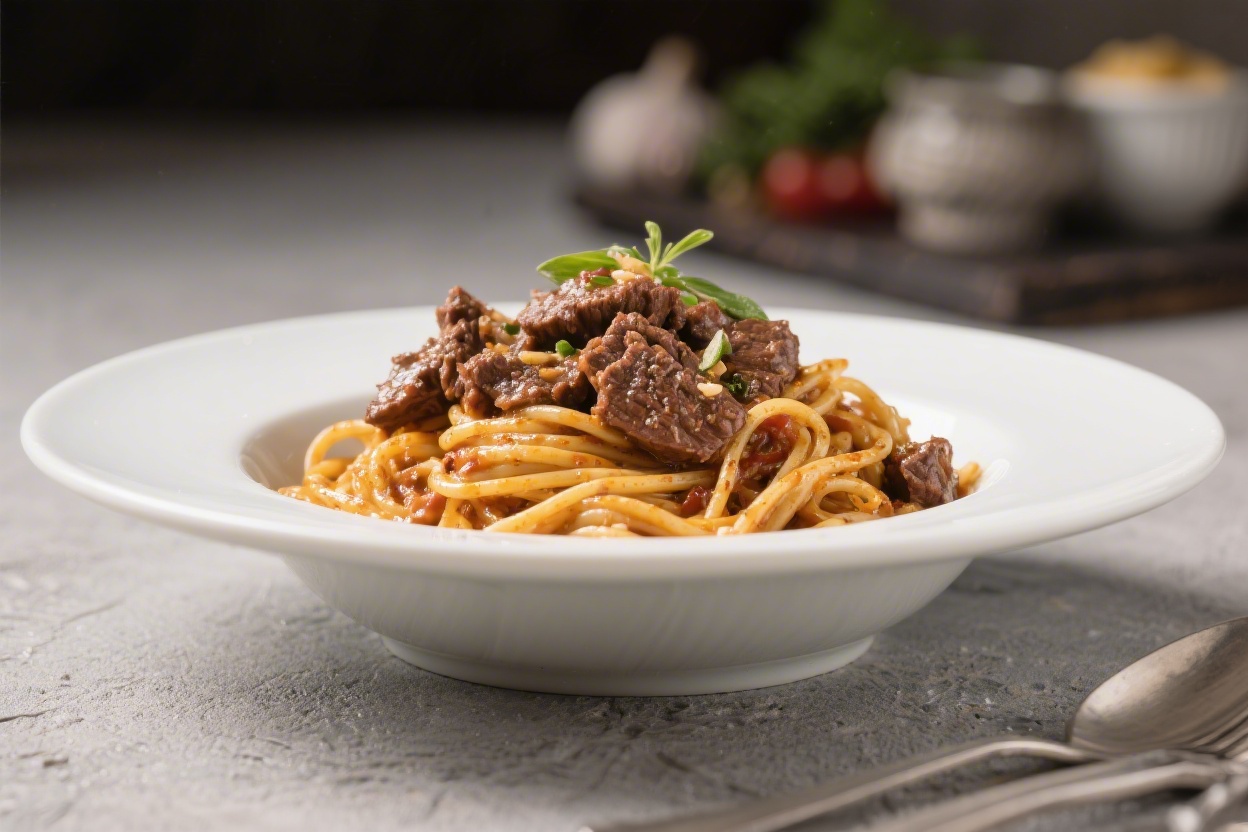
- Protein boost: Stir in canned tuna, sautéed shrimp, or browned Italian sausage.
- Vegan variation: Skip butter and cheese.
Finish with extra-virgin olive oil, nutritional yeast, and toasted breadcrumbs.
- Herb swaps: Try oregano or thyme in place of basil. A splash of balsamic can add depth if you’re out of fresh herbs.
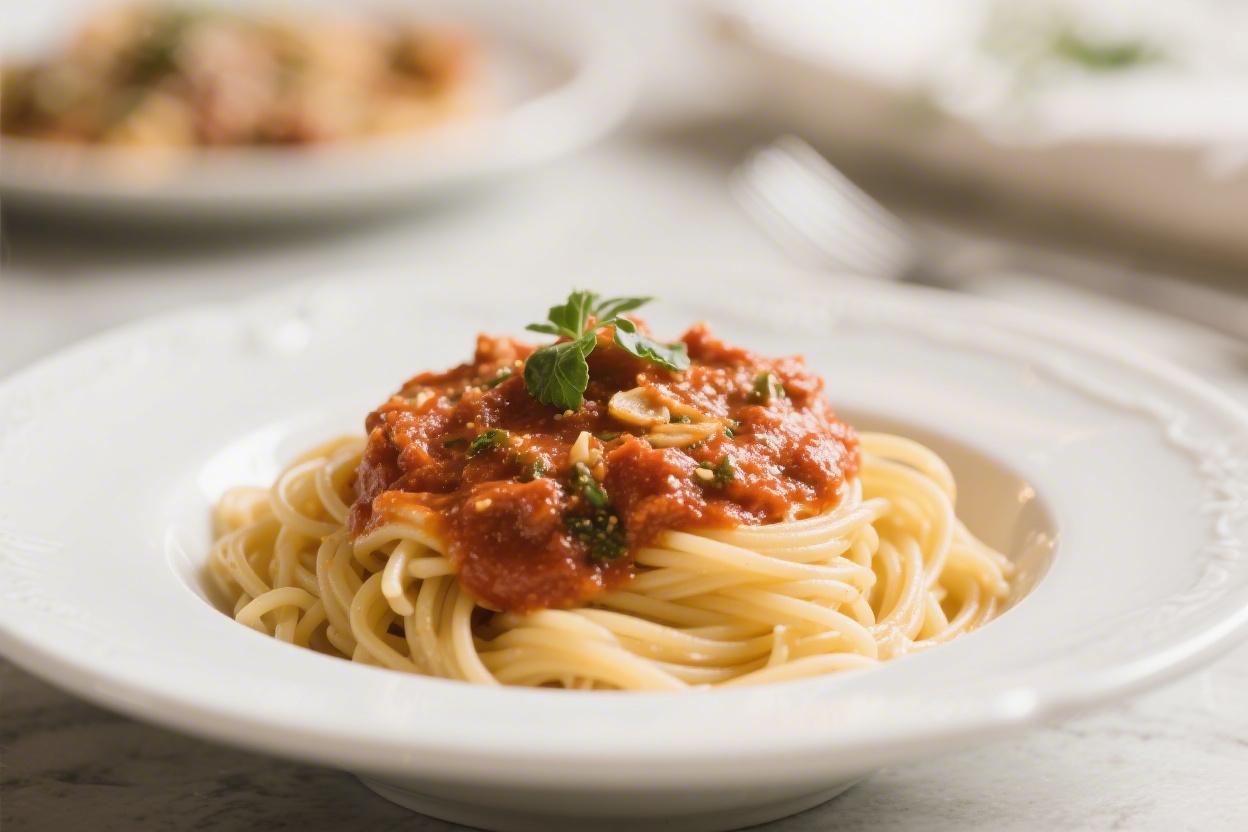
- Pasta shapes: Long strands like spaghetti catch a silky sauce; ridged shapes like rigatoni hold chunky bits.
FAQ
Can I make this ahead?
Yes. Make the sauce up to 3 days in advance and refrigerate.
Boil fresh pasta, then combine with the warmed sauce and pasta water right before serving.
What if my sauce tastes too acidic?
Add a small pinch of sugar or a tablespoon of butter to round it out. You can also simmer a few extra minutes to mellow it.
Can I use tomato paste?
A tablespoon of tomato paste added with the garlic can deepen the flavor. Let it cook for a minute to caramelize before adding the tomatoes.
How much salt should I add to pasta water?
Aim for water that tastes like the sea—about 1–1.5 tablespoons of kosher salt per 4 quarts of water.
This seasons the pasta from the inside.
What cheese works best?
Parmesan is classic for a nutty finish. Pecorino adds a sharper, saltier edge. Use what you enjoy or combine both.
Can I make it gluten-free?
Yes.
Use your favorite gluten-free pasta and keep an eye on cooking time, which can vary. The sauce is naturally gluten-free.
How do I thicken the sauce without cream?
Simmer a bit longer to reduce, and use pasta water to help it cling. The starch emulsifies the sauce, making it silky without dairy.
Is canned tomato quality important?
It makes a noticeable difference.
Look for whole peeled San Marzano or high-quality crushed tomatoes for the best flavor and texture.
Final Thoughts
A great tomato pasta recipe doesn’t need many ingredients—just care and good technique. Toast the garlic gently, season confidently, and let the tomatoes shine. With a handful of pantry staples, you can have a comforting, bright, and satisfying bowl on the table in under 30 minutes.
Keep this one in your back pocket, and make it your own with herbs, heat, or a little cheese on top.
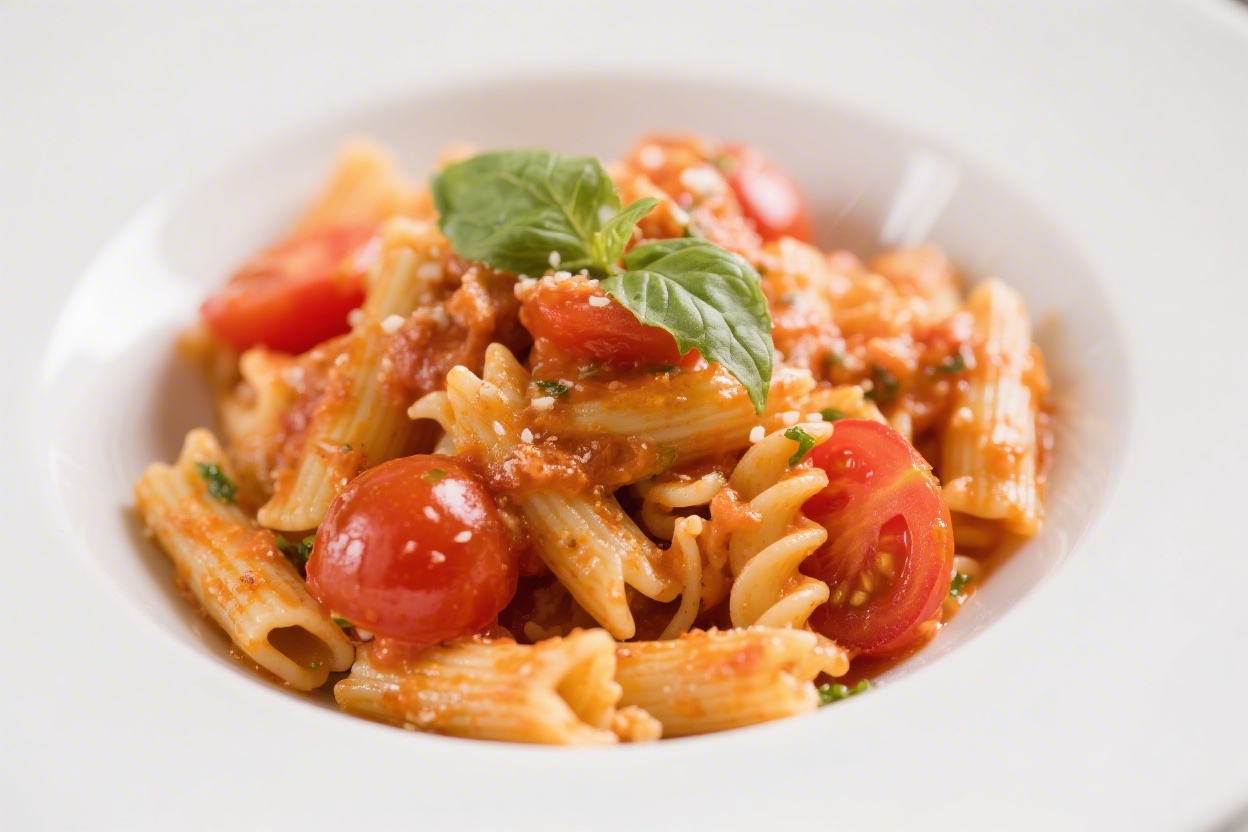
Tomato Pasta Recipe - Simple, Fresh, and Comforting
Ingredients
Method
- Boil the pasta: Bring a large pot of salted water to a rolling boil. Add the pasta and cook until just shy of al dente.Reserve 1 cup of pasta water, then drain.
- Warm the oil: While the pasta cooks, heat olive oil in a wide skillet over medium heat. Add the sliced garlic and red pepper flakes. Cook 60–90 seconds until the garlic is fragrant and just turning golden—don’t let it brown.
- Build the sauce: Pour in the tomatoes.If using whole tomatoes, crush them with a spoon. Season with a generous pinch of salt and a few grinds of pepper. Add the sugar if your tomatoes are very acidic.
- Simmer briefly: Let the sauce bubble gently for 8–10 minutes, stirring now and then.You want a lightly thickened, glossy sauce that still tastes fresh.
- Finish with butter (optional): Stir in the butter for a rounder, silkier finish. Taste and adjust seasoning.
- Marry pasta and sauce: Add the drained pasta to the skillet. Toss over medium heat, adding splashes of reserved pasta water until the sauce clings to the pasta and looks shiny.This usually takes 1–3 minutes.
- Add herbs and cheese: Turn off the heat. Fold in torn basil or parsley. Plate and top with grated Parmesan.
- Serve hot: Finish with a drizzle of good olive oil, extra pepper, and more cheese if you like.
Printable Recipe Card
Want just the essential recipe details without scrolling through the article? Get our printable recipe card with just the ingredients and instructions.