Soda Bread Recipe – A Quick, Rustic Loaf With No Yeast
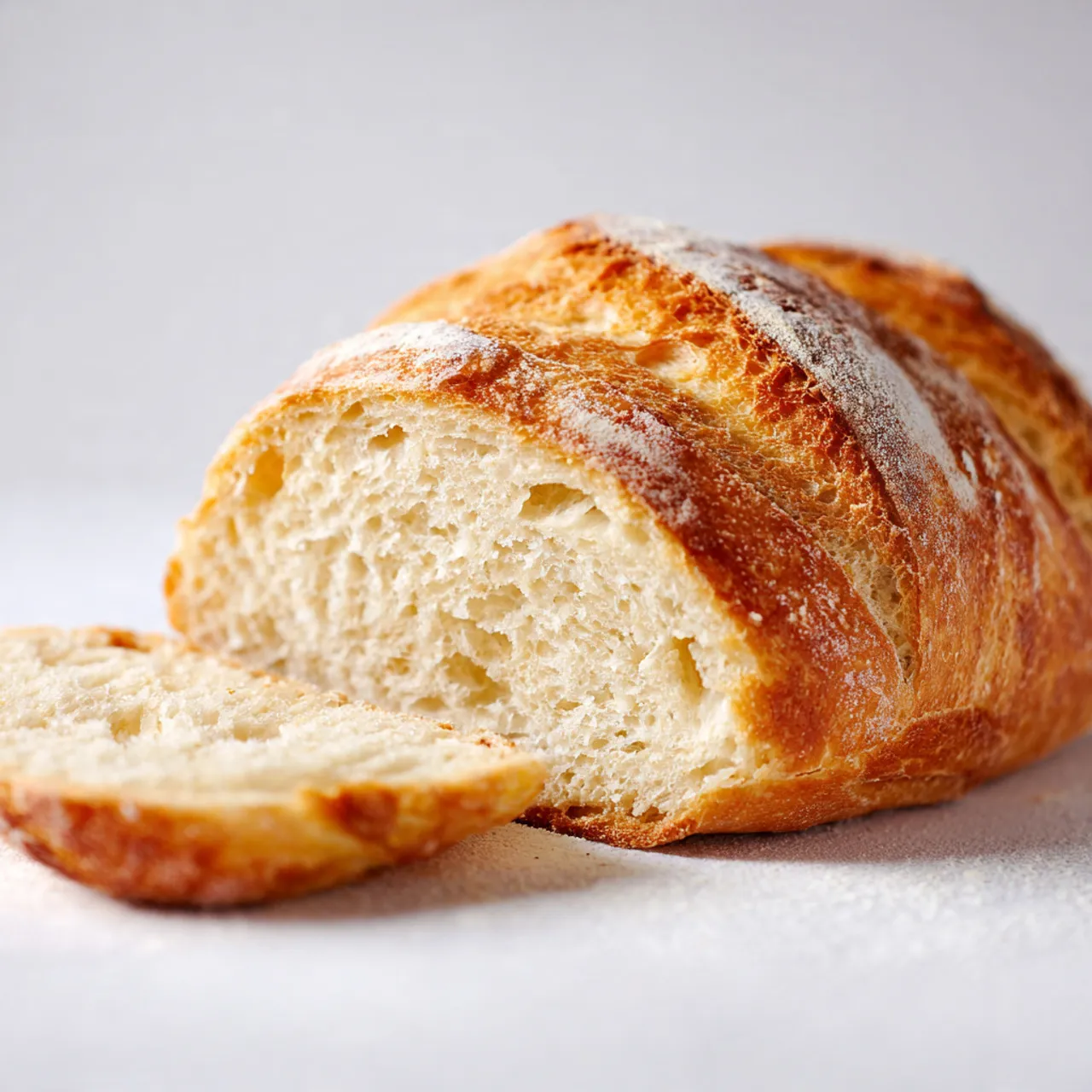
Soda bread is the kind of loaf you make when you want warm, fresh bread without the wait. It skips yeast and rises with baking soda, so it’s on the table in under an hour. The crust is crisp, the inside is tender, and it pairs with everything from soup to jam.
If you’re new to baking, this is a friendly place to start. And if you’re experienced, you’ll love how simple and reliable it is.
Why This Recipe Works
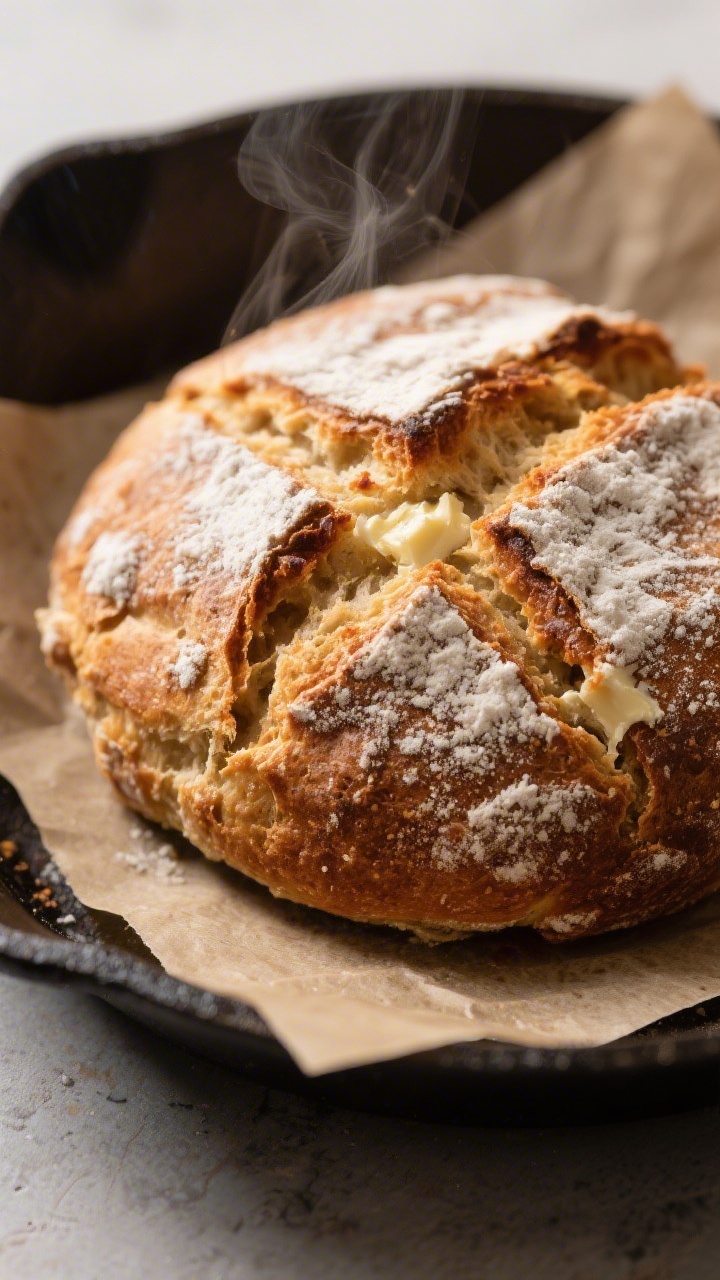
This soda bread leans on a few smart choices to get great texture and flavor without fuss.
- Baking soda plus acid: Buttermilk activates baking soda, creating lift and a tender crumb.
- Cold butter, rubbed in: A little fat helps create a craggy crust and soft interior, similar to scones.
- Minimal mixing: Overworking the dough toughens it. Gentle handling keeps it soft.
- High heat start: A hot oven sets the crust quickly so the loaf holds its shape and rises well.
- Simple scoring: The signature cross helps heat reach the center so it bakes evenly.
What You’ll Need
- 4 cups (500 g) all-purpose flour (or a blend: 3 cups all-purpose + 1 cup whole wheat)
- 1 teaspoon baking soda
- 1 teaspoon fine salt
- 2 tablespoons cold unsalted butter, diced (optional but recommended)
- 1 3/4 cups (415 ml) buttermilk (plus 1–2 tablespoons more if needed)
- 1 tablespoon granulated sugar (optional, for a hint of sweetness)
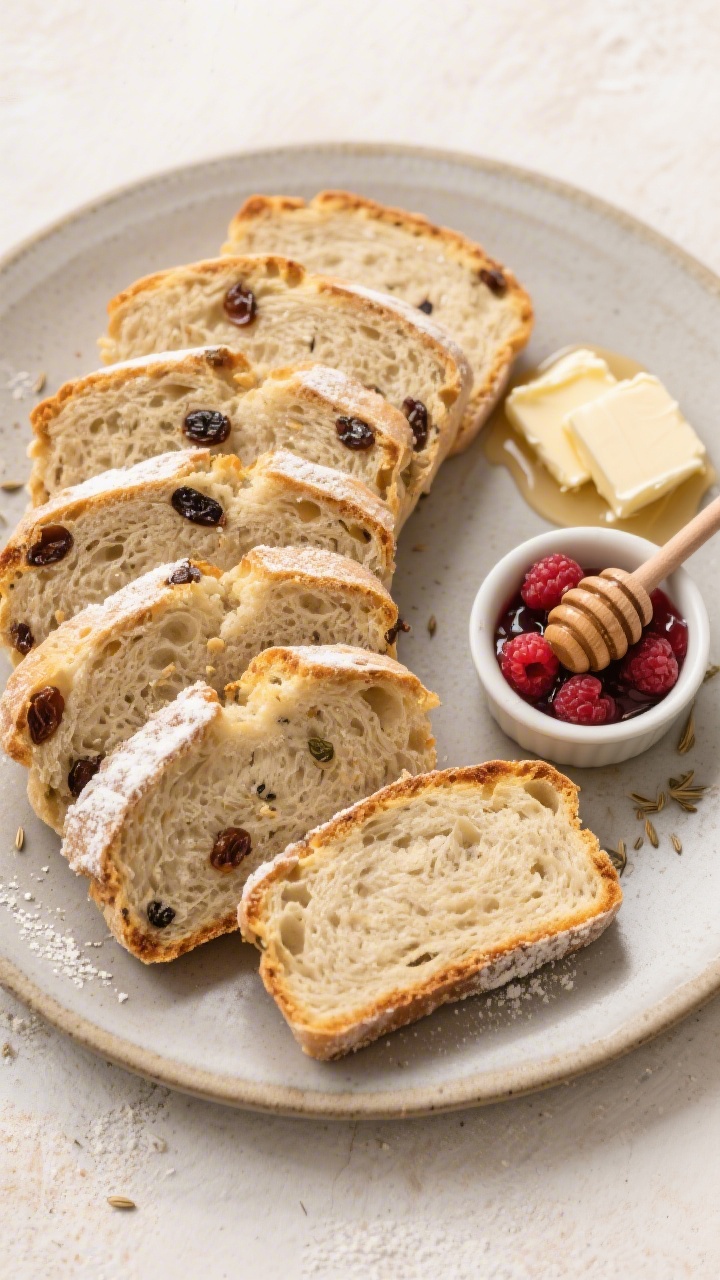
- Optional add-ins: 1/2 cup raisins or currants, 1 tablespoon caraway seeds, or 1/2 cup chopped oats or nuts
- For finishing: A sprinkle of flour for dusting
How to Make It
- Heat the oven: Preheat to 425°F (220°C).
Line a baking sheet with parchment or lightly flour a cast-iron skillet.
- Mix dry ingredients: In a large bowl, whisk flour, baking soda, salt, and sugar (if using) until evenly combined.
- Cut in the butter: Add the cold butter. Rub it into the flour with your fingertips until it looks like coarse crumbs. If adding raisins, seeds, or oats, stir them in now.
- Add buttermilk: Make a well in the center.
Pour in 1 3/4 cups buttermilk and stir with a fork until a shaggy dough forms. If it’s very dry, add another tablespoon or two of buttermilk.
- Bring it together: Turn the dough onto a lightly floured surface. Gently knead 5–8 times, just until it holds together.
The dough should be soft and slightly sticky, not smooth.
- Shape the loaf: Form a round about 7 inches wide and 1 1/2–2 inches tall. Place it on the prepared sheet or skillet. Dust lightly with flour.
- Score the cross: Use a sharp knife to cut a deep cross on top, about 1/2 inch deep.
This helps it cook evenly and open up as it bakes.
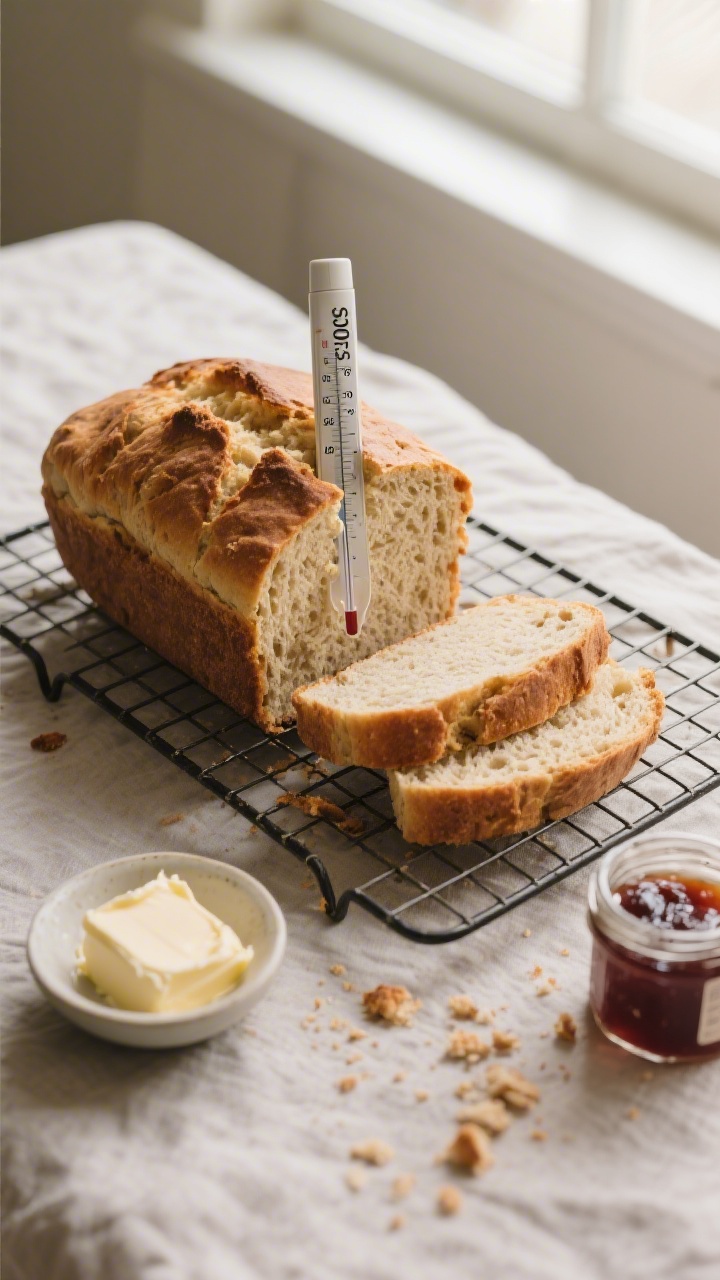
- Bake: Bake for 15 minutes at 425°F (220°C). Reduce heat to 400°F (200°C) and bake 20–25 minutes more. It’s done when the crust is deep golden and the bottom sounds hollow when tapped, or when an instant-read thermometer reads about 200–205°F (93–96°C) in the center.
- Cool briefly: Transfer to a rack and let cool at least 30 minutes before slicing.
Cutting too soon can make the center gummy.
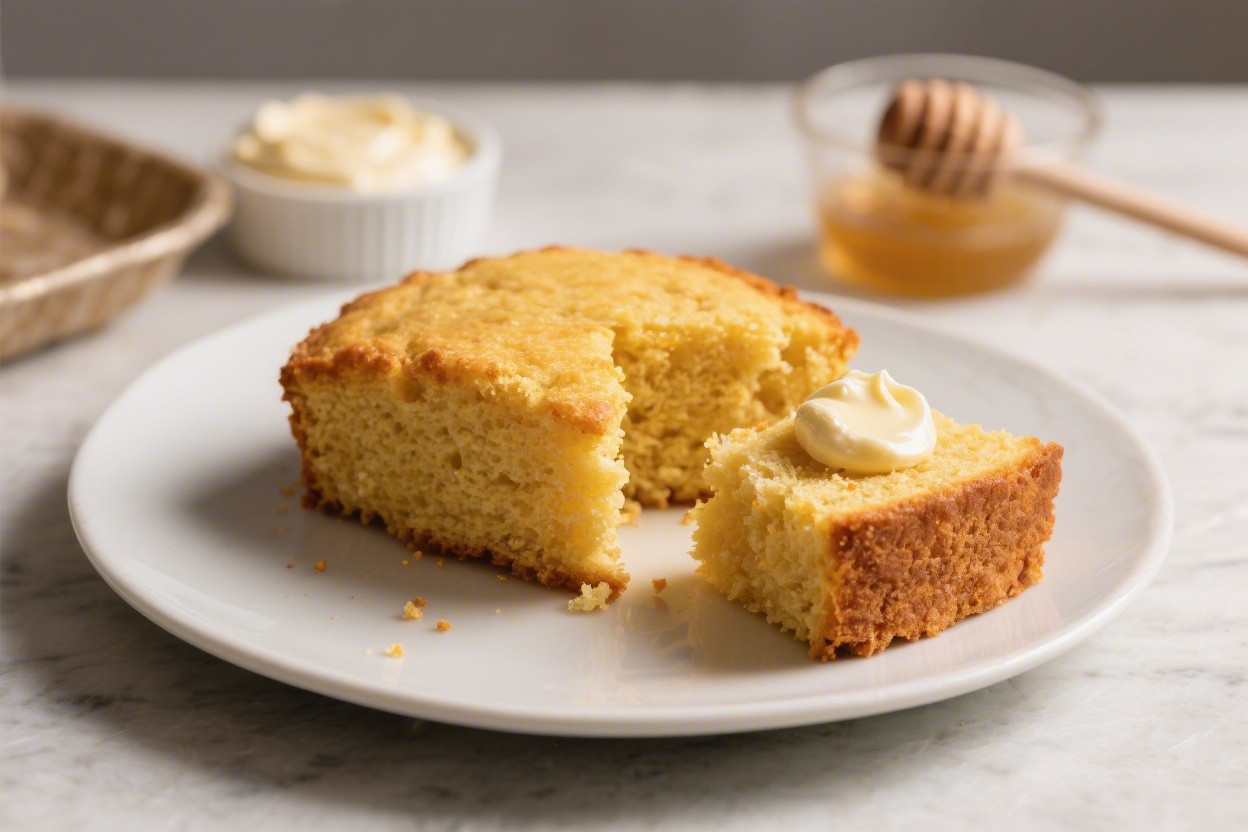
- Serve: Slice thick and enjoy warm with butter, jam, honey, or alongside soup and stews.
Keeping It Fresh
- Same day: Wrap the cooled loaf in a clean tea towel to keep the crust crisp and the inside tender.
- 1–2 days: Store at room temperature in a paper bag or wrapped in a towel. Avoid airtight containers, which soften the crust.
- Freezing: Slice, then freeze in a zip-top bag for up to 2 months. Toast slices straight from frozen.
- Reviving: If it feels a bit stale, warm slices in a 350°F (175°C) oven for 5–8 minutes or toast lightly.
Benefits of This Recipe
- Quick and reliable: No proofing or special equipment.
Great for busy weeknights.
- Beginner-friendly: Minimal kneading, clear signs of doneness, and easy to fix if dry or wet.
- Versatile: Works with add-ins like raisins or seeds, or different flour blends for flavor and fiber.
- Budget-friendly: Uses pantry staples and a small amount of butter.
- Comforting and hearty: A rustic loaf with a crisp crust that complements sweet or savory spreads.
Common Mistakes to Avoid
- Overmixing the dough: This makes the bread tough. Stop as soon as it comes together.
- Using expired baking soda: Old soda won’t rise well. Check freshness before you start.
- Too much flour: Scoop flour lightly and level it, or weigh it.
Dense dough leads to a heavy loaf.
- Cutting it too soon: Let it cool at least 30 minutes to set the crumb.
- Skipping the cross: The deep score helps heat reach the center, so don’t skip it.
Alternatives
- Whole wheat soda bread: Use 50–70% whole wheat flour and add 1–2 tablespoons of honey or molasses to balance the flavor. You may need a splash more buttermilk.
- Dairy-free version: Use plant milk plus 1 tablespoon lemon juice or vinegar per cup. Let it sit 5 minutes to sour before using.
- Gluten-free option: Use a quality 1:1 gluten-free baking blend and add 1 teaspoon xanthan gum if your blend doesn’t include it.
Expect a slightly crumblier texture.
- Brown bread style: Replace 1 cup of flour with coarse wholemeal flour or oats, and add 2 tablespoons of melted butter for richness.
- Sweet variation: Add 1/3 cup sugar, 1 cup raisins or cranberries, and a little orange zest. Sprinkle with coarse sugar before baking.
- Seeded loaf: Mix in 2–3 tablespoons each of pumpkin, sunflower, and sesame seeds for crunch.
FAQ
Can I make soda bread without buttermilk?
Yes. For each cup of buttermilk, use 1 cup milk mixed with 1 tablespoon lemon juice or white vinegar.
Let it sit 5 minutes to thicken and sour, then use as directed.
Why is my soda bread dense?
Most likely the dough was overmixed or too dry. Next time, handle it gently and add a splash more buttermilk if the dough looks floury or stiff. Fresh baking soda also makes a big difference.
How do I know it’s fully baked?
The crust should be deep golden, and the bottom should sound hollow when tapped.
For certainty, use a thermometer: the center should reach 200–205°F (93–96°C).
Can I bake it in a Dutch oven?
Yes. Heat the Dutch oven while the oven preheats. Carefully place the shaped dough on parchment, drop it into the pot, cover, and bake 20 minutes.
Remove the lid and bake 10–15 minutes more to brown.
What should I serve with soda bread?
It’s great with butter and jam, cheddar, smoked salmon, chowder, beef stew, or a big salad. It also makes lovely toast the next morning.
Can I add eggs?
Traditional soda bread usually doesn’t include eggs, but you can add one egg to the buttermilk for a richer, slightly cakier loaf. You may need to add a bit more flour if the dough gets too wet.
Is Irish soda bread the same as American versions with raisins?
Not exactly.
Classic Irish soda bread is plain or made with wholemeal flour. The raisin or caraway versions are popular adaptations, often called “spotted dog.” Both are delicious—choose what you like.
In Conclusion
This soda bread recipe is proof that homemade bread doesn’t have to be complicated. With a few pantry staples and about 45 minutes, you can pull a warm, crusty loaf from your oven.
Keep the mixing light, score a bold cross, and let it cool before slicing. Whether you go classic or add your own twist, this simple bread will become a steady favorite at your table.
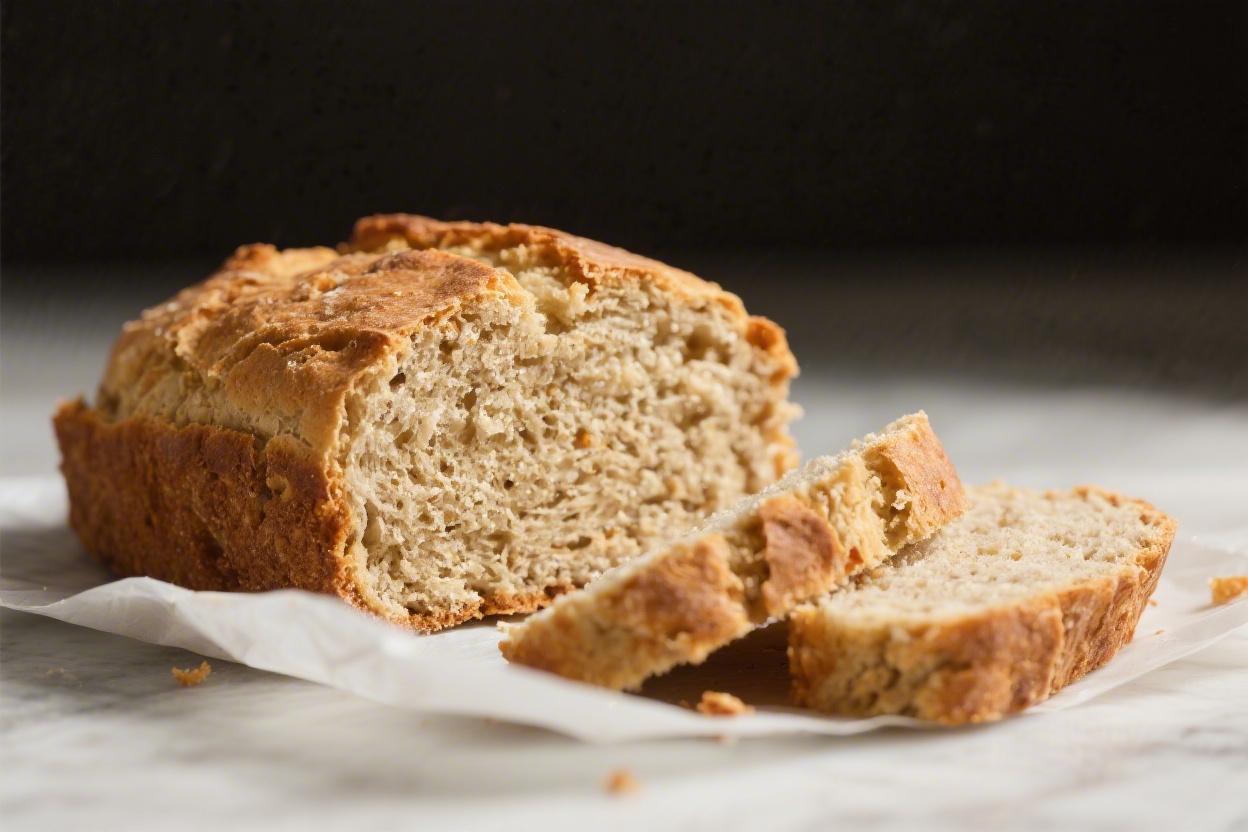
Soda Bread Recipe - A Quick, Rustic Loaf With No Yeast
Ingredients
Method
- Heat the oven: Preheat to 425°F (220°C).Line a baking sheet with parchment or lightly flour a cast-iron skillet.
- Mix dry ingredients: In a large bowl, whisk flour, baking soda, salt, and sugar (if using) until evenly combined.
- Cut in the butter: Add the cold butter. Rub it into the flour with your fingertips until it looks like coarse crumbs. If adding raisins, seeds, or oats, stir them in now.
- Add buttermilk: Make a well in the center.Pour in 1 3/4 cups buttermilk and stir with a fork until a shaggy dough forms. If it’s very dry, add another tablespoon or two of buttermilk.
- Bring it together: Turn the dough onto a lightly floured surface. Gently knead 5–8 times, just until it holds together.The dough should be soft and slightly sticky, not smooth.
- Shape the loaf: Form a round about 7 inches wide and 1 1/2–2 inches tall. Place it on the prepared sheet or skillet. Dust lightly with flour.
- Score the cross: Use a sharp knife to cut a deep cross on top, about 1/2 inch deep.This helps it cook evenly and open up as it bakes.
- Bake: Bake for 15 minutes at 425°F (220°C). Reduce heat to 400°F (200°C) and bake 20–25 minutes more. It’s done when the crust is deep golden and the bottom sounds hollow when tapped, or when an instant-read thermometer reads about 200–205°F (93–96°C) in the center.
- Cool briefly: Transfer to a rack and let cool at least 30 minutes before slicing.Cutting too soon can make the center gummy.
- Serve: Slice thick and enjoy warm with butter, jam, honey, or alongside soup and stews.
Printable Recipe Card
Want just the essential recipe details without scrolling through the article? Get our printable recipe card with just the ingredients and instructions.