Potato Leek Soup – Creamy, Comforting, and Simple
Potato leek soup is the kind of meal that makes a chilly day feel a little softer. It’s creamy without being heavy, cozy without trying too hard, and deeply satisfying with just a few humble ingredients. If you’ve never cooked with leeks, this is the perfect place to start—mild, sweet, and easygoing.
This soup comes together quickly, tastes even better the next day, and pairs beautifully with crusty bread. Whether you make it silky smooth or leave it a little rustic, you really can’t go wrong.
What Makes This Special
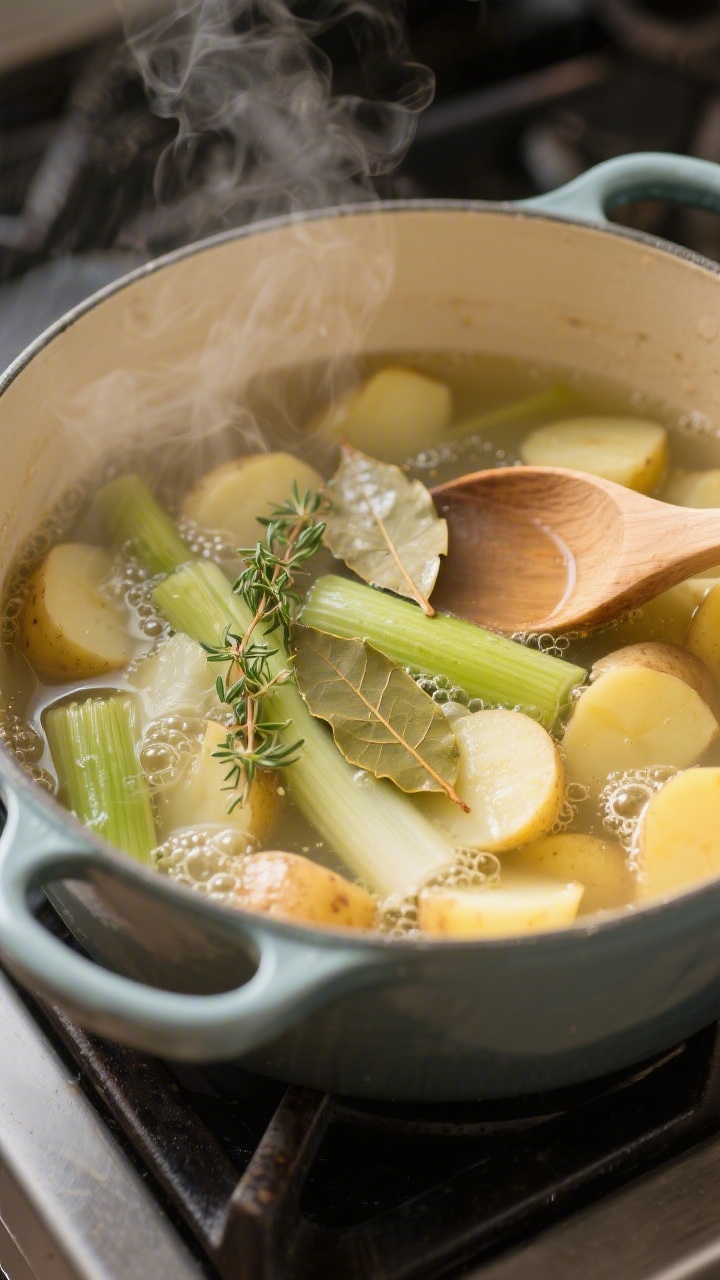
This soup shines because it’s simple and reliable. Leeks bring a mellow onion flavor that stays soft and pleasant, never sharp.
Potatoes add body and creaminess, especially when blended. A small splash of cream (optional) makes it luxurious, but the soup is still excellent without it. With basic pantry items and a single pot, you get a soup that feels thoughtful and homey.
- Approachable flavors: Mild, smooth, and great for all ages.
- Budget-friendly: Uses inexpensive ingredients you can find anywhere.
- Flexible: Works with dairy or dairy-free swaps.
- Make-ahead friendly: Tastes even better after resting in the fridge.
Shopping List
- Leeks: 3 large, white and light green parts only
- Potatoes: 2 pounds (Yukon Gold preferred; Russets also work)
- Butter or olive oil: 2–3 tablespoons
- Garlic: 2–3 cloves (optional but recommended)
- Stock: 5 cups vegetable or chicken stock (low-sodium if possible)
- Bay leaf: 1
- Fresh thyme: 2–3 sprigs, or 1/2 teaspoon dried
- Salt and black pepper: to taste
- Heavy cream or half-and-half: 1/2 cup (optional)
- Chives or scallions: for garnish (optional)
- Lemon: 1/2, for a finishing squeeze (optional but brightens the flavor)
Step-by-Step Instructions
- Prep the leeks: Slice off the dark green tops and root ends.
Split the leeks lengthwise, then rinse thoroughly between the layers to remove grit. Slice into thin half-moons.
- Prep the potatoes: Peel if you like a smoother soup, or leave skins on for a rustic version. Cut into 1-inch chunks for even cooking.
- Sweat the aromatics: In a large pot, warm the butter or olive oil over medium heat.
Add leeks with a pinch of salt. Cook 7–10 minutes, stirring occasionally, until soft and sweet but not browned. Add garlic and cook 30 seconds until fragrant.
- Build the base: Add potatoes, thyme, bay leaf, and stock.
The liquid should just cover the vegetables. Bring to a gentle boil, then reduce to a simmer.
- Simmer: Cook 15–20 minutes, until the potatoes are very tender and easily pierced with a fork.
- Remove aromatics: Fish out the bay leaf and any woody thyme stems. Taste the broth and adjust salt if needed.
- Blend to your preferred texture: For silky soup, use an immersion blender right in the pot.
For a chunkier finish, blend only half the soup and return it to the pot, or lightly mash with a potato masher.
- Add cream (optional): Stir in heavy cream or half-and-half. Warm gently over low heat. Do not boil after adding dairy.
- Season and brighten: Add black pepper to taste.
If the flavor needs lift, add a small squeeze of lemon. Taste and adjust salt again.
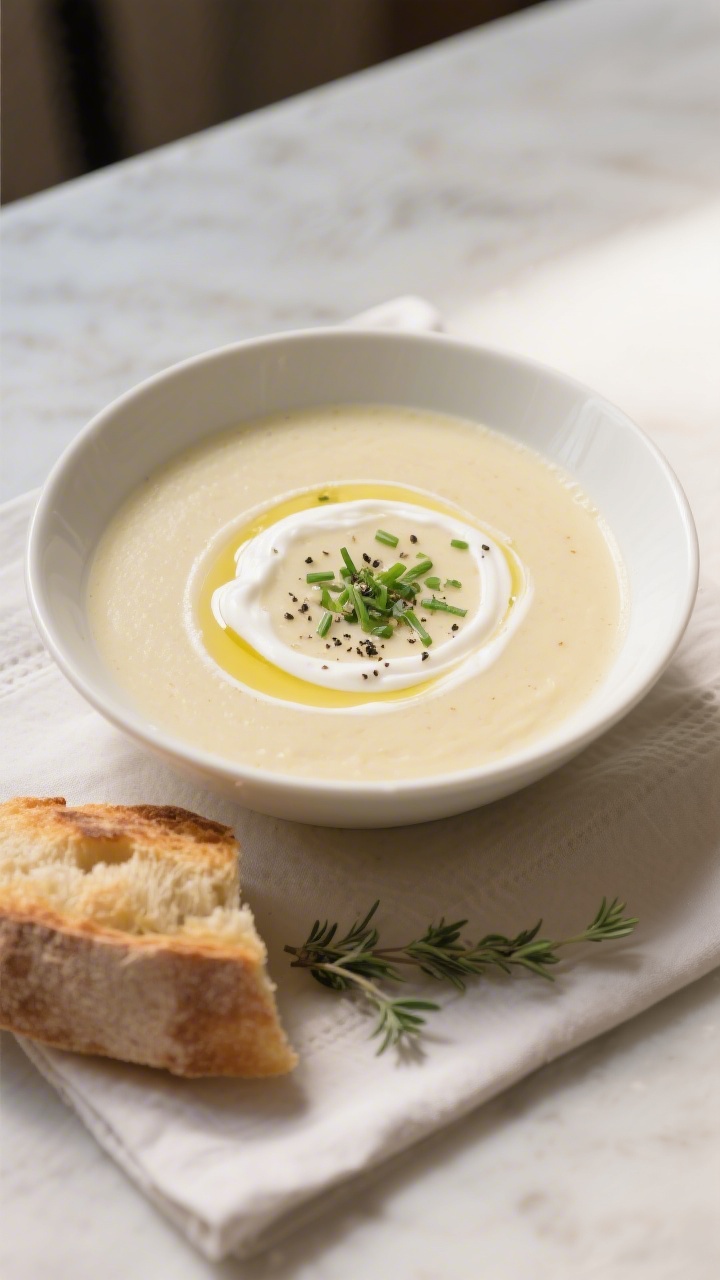
- Serve: Ladle into bowls. Top with a drizzle of olive oil or a pat of butter, chopped chives or scallions, and extra pepper if you like.
Crusty bread is a great side.
Storage Instructions
- Cool quickly: Let the soup cool until warm, not hot, then refrigerate within 2 hours.
- Fridge: Store in an airtight container for up to 4 days. The flavor deepens by day two.
- Freezer: Freeze without dairy for best texture, up to 3 months. Add cream after thawing and reheating.
- Reheat gently: Warm over low to medium heat, stirring occasionally.
Avoid boiling if you’ve added dairy to prevent splitting.

Why This is Good for You
Leeks offer antioxidants and a soft, allium-based flavor without the intensity of onions. Potatoes bring potassium and fiber, especially if you keep some of the skins on. Using olive oil and vegetable stock keeps the soup lighter, while still feeling satisfying.
With modest cream—or a dairy-free alternative—you can tailor the richness to your needs. It’s a wholesome, comforting bowl that won’t weigh you down.
Common Mistakes to Avoid
- Not cleaning leeks well: Grit hides between layers. Split and rinse thoroughly to avoid sandy soup.
- Browning the leeks: You’re aiming for soft and sweet, not caramelized.
Keep the heat moderate.
- Overwatering: Too much stock makes the soup thin. Add just enough to cover the vegetables; you can thin later if needed.
- Skipping salt layers: Season a little at each step so the final flavor is balanced.
- Boiling after adding cream: High heat can cause the soup to split. Warm gently to keep it smooth.
Recipe Variations
- Dairy-Free: Use olive oil instead of butter and skip the cream.
Blend thoroughly for a naturally creamy texture.
- Herb Lift: Add a handful of parsley or tarragon at the end and blend for a fresh, green note.
- Smoky Twist: Stir in a pinch of smoked paprika or top with crisp bacon or smoked almonds.
- Green Add-Ins: Toss in a few handfuls of spinach or kale during the last few minutes of cooking, then blend.
- Cheesy Finish: Swirl in grated Parmesan or sharp cheddar after blending for extra richness.
- Chunky Style: Reserve some diced potatoes and sautéed leeks, then stir them back in after blending.
- Vegan “Cream”: Use a splash of unsweetened oat milk or cashew cream for body without dairy.
FAQ
Do I have to peel the potatoes?
No. If you want a very smooth soup, peel them. If you like a rustic texture and extra fiber, leave the skins on, especially with thin-skinned Yukon Golds.
Can I use onions instead of leeks?
You can, but the flavor will be sharper.
If substituting, use sweet onions and cook them low and slow until very soft to mimic the leek’s gentle taste.
What’s the best potato for this soup?
Yukon Golds are ideal because they turn creamy when blended and have great flavor. Russets also work but can become a bit gluey if over-blended, so blend gently.
How can I fix a bland soup?
Add salt in small increments, crack in fresh black pepper, and try a squeeze of lemon. A pat of butter or a drizzle of olive oil at the end can also round out the flavors.
Can I make this in advance?
Yes.
It keeps well for several days. For the best texture, add any dairy after reheating rather than before storing.
Is an immersion blender necessary?
No. It’s convenient, but a countertop blender works fine.
Blend in batches and vent the lid slightly to release steam. You can also mash by hand for a chunkier soup.
How do I make it thicker or thinner?
For thicker soup, simmer uncovered a few minutes after blending. For thinner soup, stir in more warm stock or water until you reach the texture you like.
Can I add protein?
Sure.
Shredded rotisserie chicken, white beans, or crispy bacon bits work well. Stir them in after blending to keep the texture pleasant.
What can I use instead of cream?
Half-and-half, whole milk, oat milk, or cashew cream are all good options. Add gradually and taste as you go.
How do I keep leftovers from separating?
Reheat gently and avoid boiling.
If separation happens, whisk vigorously or blend briefly to bring it back together.
Wrapping Up
Potato leek soup proves that simple ingredients can deliver big comfort. With a handful of pantry staples, you get a bowl that’s smooth, cozy, and endlessly flexible. Keep it classic, or play with herbs, greens, and toppings to make it your own.
However you serve it, this is the kind of soup that invites a second helping—and maybe a warm slice of bread on the side.
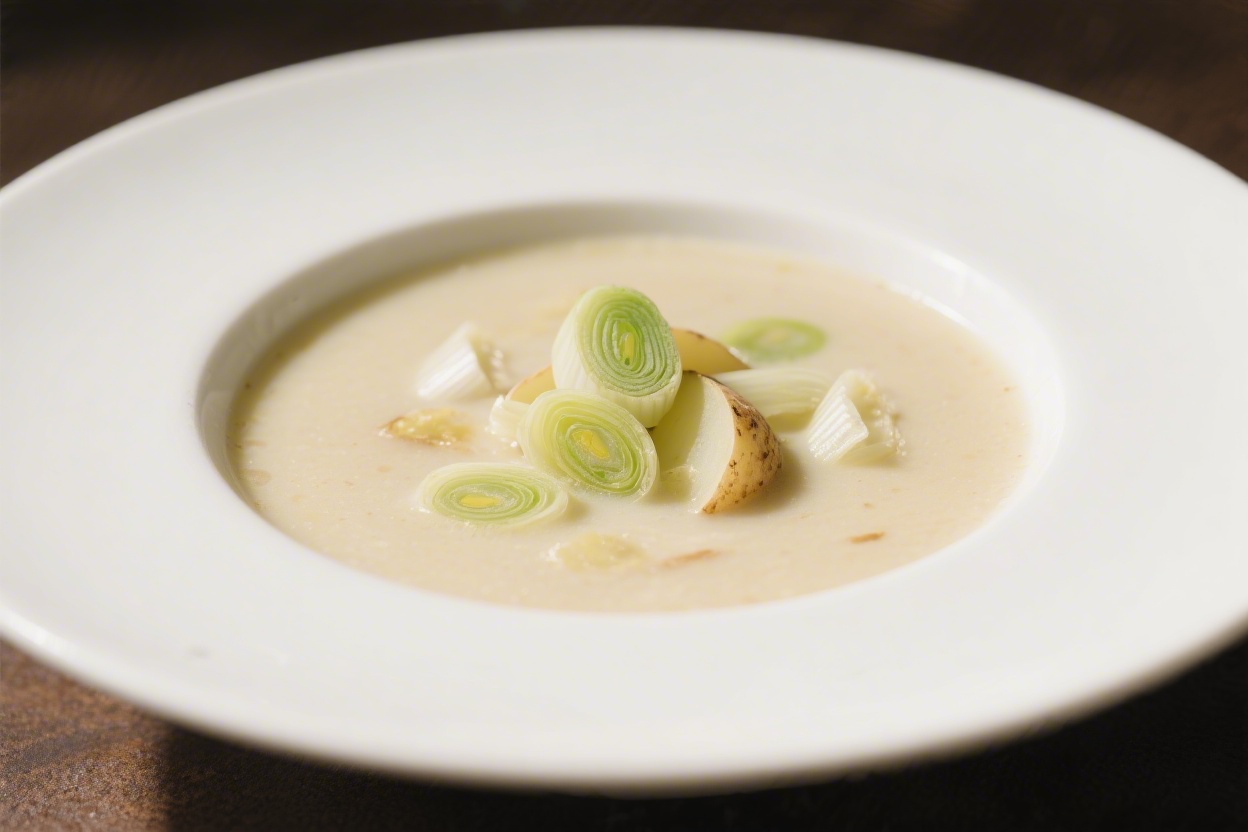
Potato Leek Soup - Creamy, Comforting, and Simple
Ingredients
Method
- Prep the leeks: Slice off the dark green tops and root ends.Split the leeks lengthwise, then rinse thoroughly between the layers to remove grit. Slice into thin half-moons.
- Prep the potatoes: Peel if you like a smoother soup, or leave skins on for a rustic version. Cut into 1-inch chunks for even cooking.
- Sweat the aromatics: In a large pot, warm the butter or olive oil over medium heat.Add leeks with a pinch of salt. Cook 7–10 minutes, stirring occasionally, until soft and sweet but not browned. Add garlic and cook 30 seconds until fragrant.
- Build the base: Add potatoes, thyme, bay leaf, and stock.The liquid should just cover the vegetables. Bring to a gentle boil, then reduce to a simmer.
- Simmer: Cook 15–20 minutes, until the potatoes are very tender and easily pierced with a fork.
- Remove aromatics: Fish out the bay leaf and any woody thyme stems. Taste the broth and adjust salt if needed.
- Blend to your preferred texture: For silky soup, use an immersion blender right in the pot.For a chunkier finish, blend only half the soup and return it to the pot, or lightly mash with a potato masher.
- Add cream (optional): Stir in heavy cream or half-and-half. Warm gently over low heat. Do not boil after adding dairy.
- Season and brighten: Add black pepper to taste.If the flavor needs lift, add a small squeeze of lemon. Taste and adjust salt again.
- Serve: Ladle into bowls. Top with a drizzle of olive oil or a pat of butter, chopped chives or scallions, and extra pepper if you like.Crusty bread is a great side.
Printable Recipe Card
Want just the essential recipe details without scrolling through the article? Get our printable recipe card with just the ingredients and instructions.