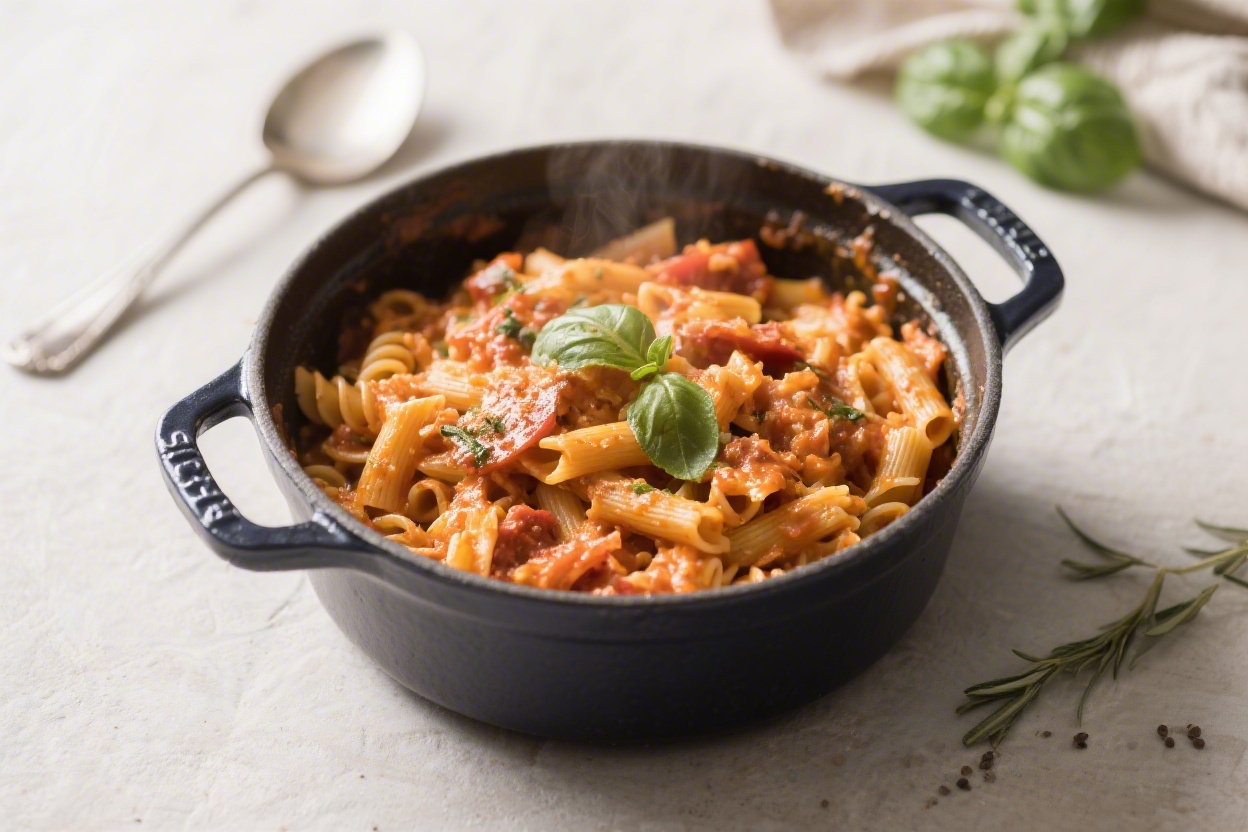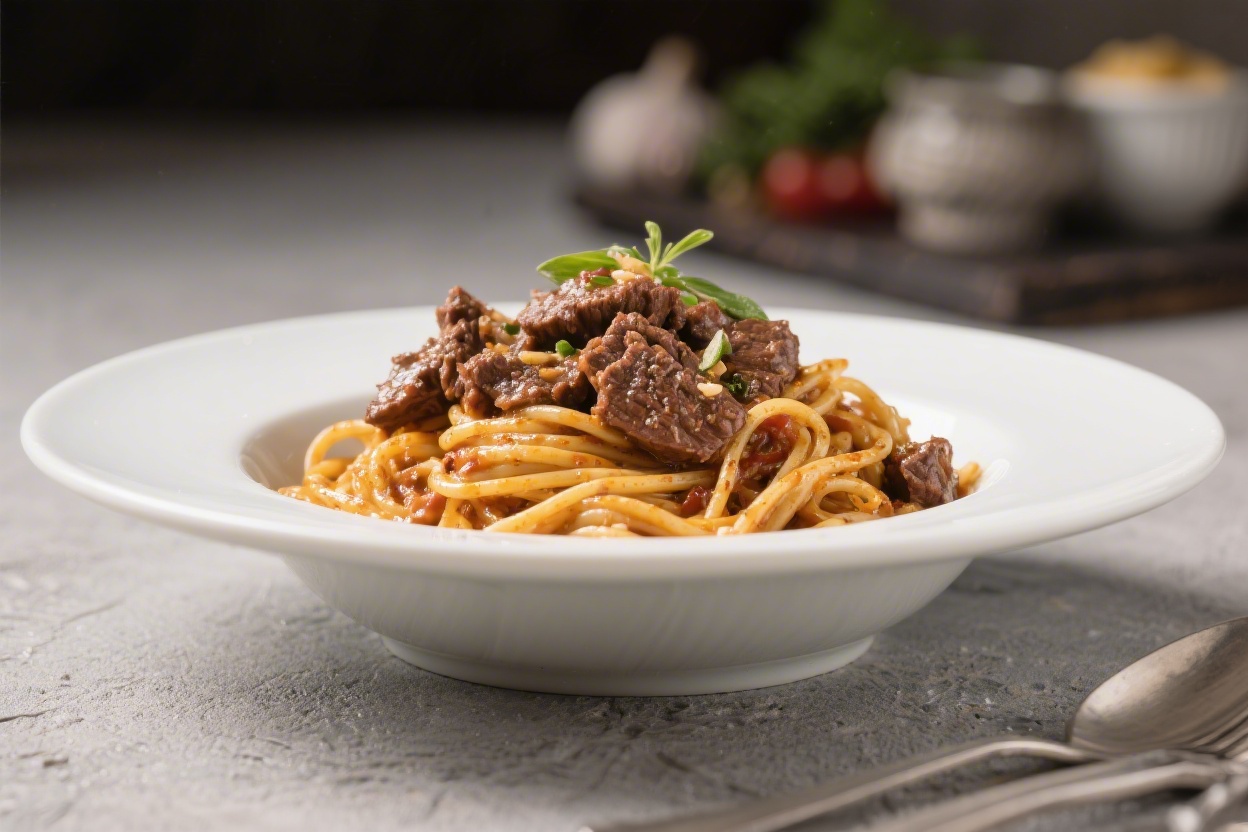
Pasta Sauce Recipe – A Simple, Flavorful Classic
Tomato-based pasta sauce is one of those dependable kitchen staples that never lets you down. It’s cozy, bright, and full of flavor, yet easy enough to make on a weeknight. This version leans on pantry ingredients, fresh aromatics, and a slow simmer for depth.
You’ll get a sauce that hugs pasta beautifully, works as a base for other dishes, and makes leftovers you’ll look forward to. Whether you’re cooking for one or feeding a crowd, this sauce finds a place at the table.
What Makes This Special
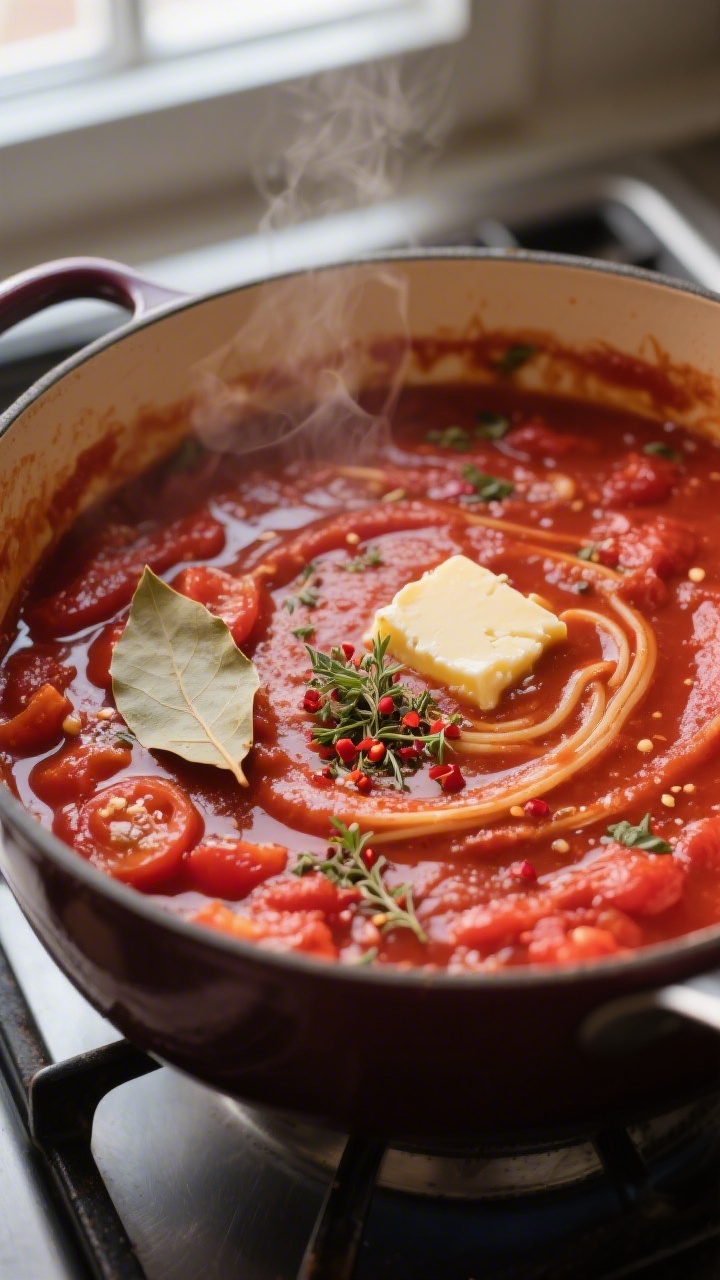
This pasta sauce balances sweetness, acidity, and richness without getting fussy. A quick sauté of onions and garlic builds a savory backbone, while a splash of red wine and a touch of butter add roundness.
A hint of red pepper flakes wakes everything up without making it spicy. The long, gentle simmer is where the magic happens—it softens the tomatoes and blends the flavors into something you’ll want to spoon straight from the pot. It’s adaptable too, so you can keep it vegetarian, add meat, or boost it with veggies.
Shopping List
- Olive oil – 2 tablespoons
- Yellow onion – 1 medium, finely chopped
- Garlic – 4 cloves, minced
- Tomato paste – 2 tablespoons
- Crushed tomatoes – 1 can (28 ounces), or whole peeled tomatoes crushed by hand
- Red wine – 1/2 cup (optional but recommended)
- Dried oregano – 1 teaspoon
- Dried basil – 1 teaspoon
- Red pepper flakes – 1/4 to 1/2 teaspoon, to taste
- Bay leaf – 1
- Sugar – 1/2 to 1 teaspoon (optional, to balance acidity)
- Butter – 1 tablespoon (for silkiness)
- Fresh basil – handful, torn (optional for finishing)
- Salt and black pepper – to taste
- Parmesan rind – 1 small piece (optional, adds depth while simmering)
Instructions
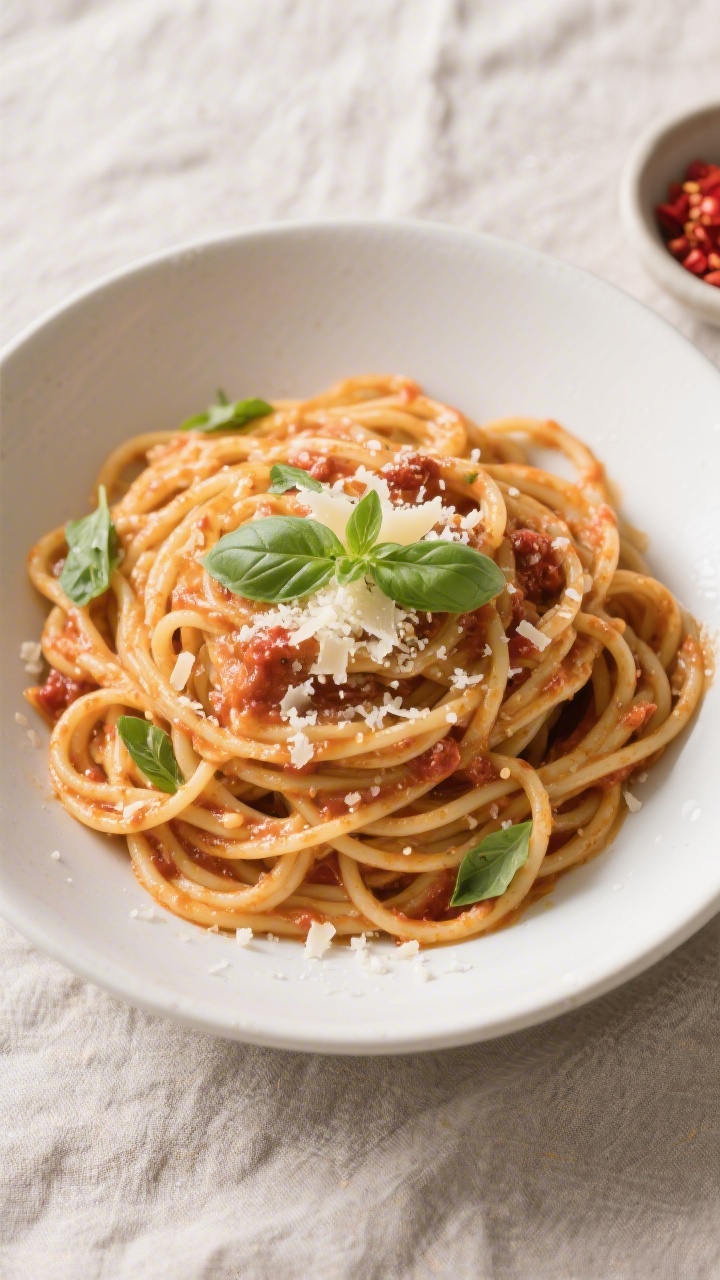
- Warm the oil: Set a medium pot over medium heat.Add olive oil and let it shimmer.
- Sweat the aromatics: Add the chopped onion with a pinch of salt. Cook 6–8 minutes, stirring, until soft and translucent, not browned. Add the garlic and cook 30–60 seconds, just until fragrant.
- Build the base: Stir in tomato paste and cook 1–2 minutes to caramelize slightly.It should darken a shade and smell sweet.
- Deglaze: Pour in the red wine. Scrape up any bits from the bottom and let it reduce by about half, 2–3 minutes. If skipping wine, add a splash of water or broth instead.
- Add tomatoes and seasonings: Stir in crushed tomatoes, dried oregano, dried basil, red pepper flakes, bay leaf, and the Parmesan rind if using.Add 1/2 teaspoon salt to start.
- Simmer gently: Bring to a gentle bubble, then reduce heat to low. Partially cover and simmer 30–45 minutes, stirring occasionally. The sauce should thicken slightly and taste richer over time.
- Balance and finish: Taste.If the sauce is too sharp, stir in 1/2 to 1 teaspoon sugar. Add the butter for a silky finish. Adjust salt and pepper.
- Fresh lift: Remove bay leaf (and Parmesan rind).Stir in torn fresh basil right before serving for brightness.
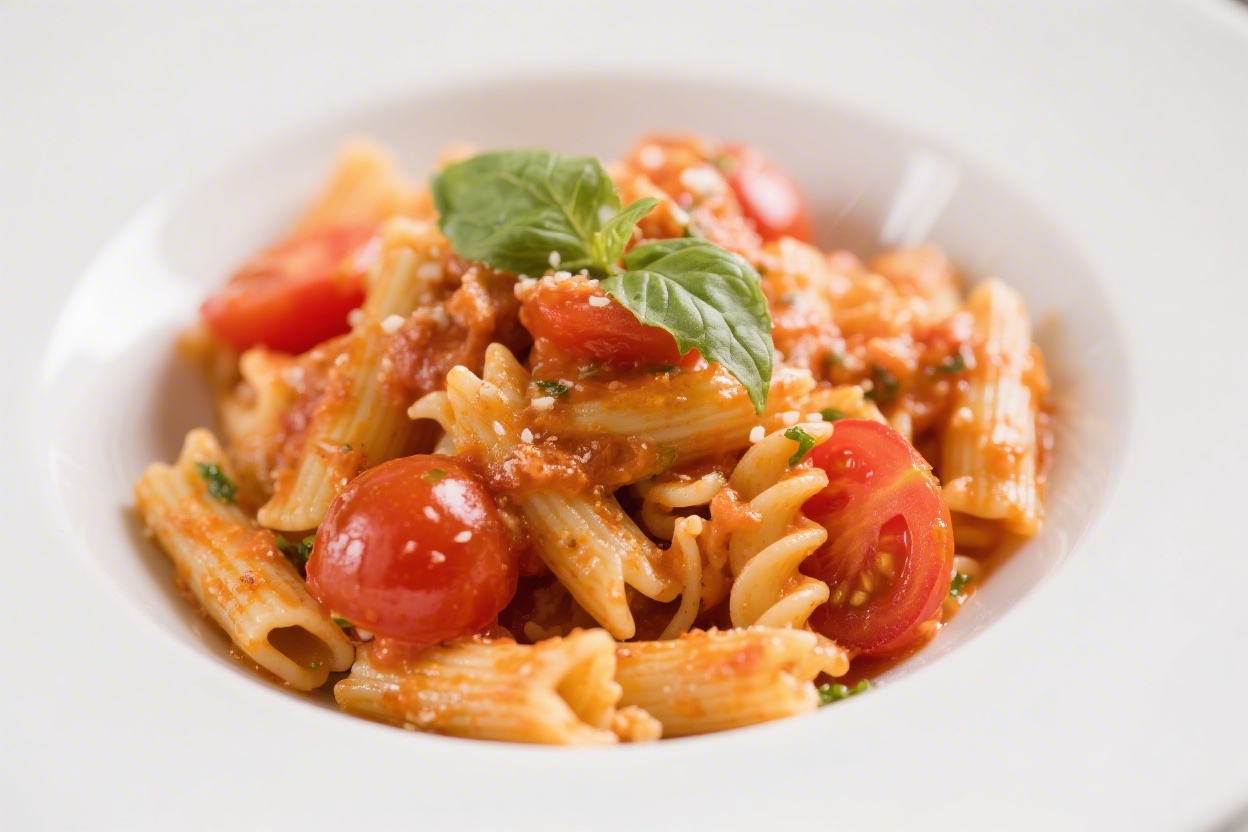
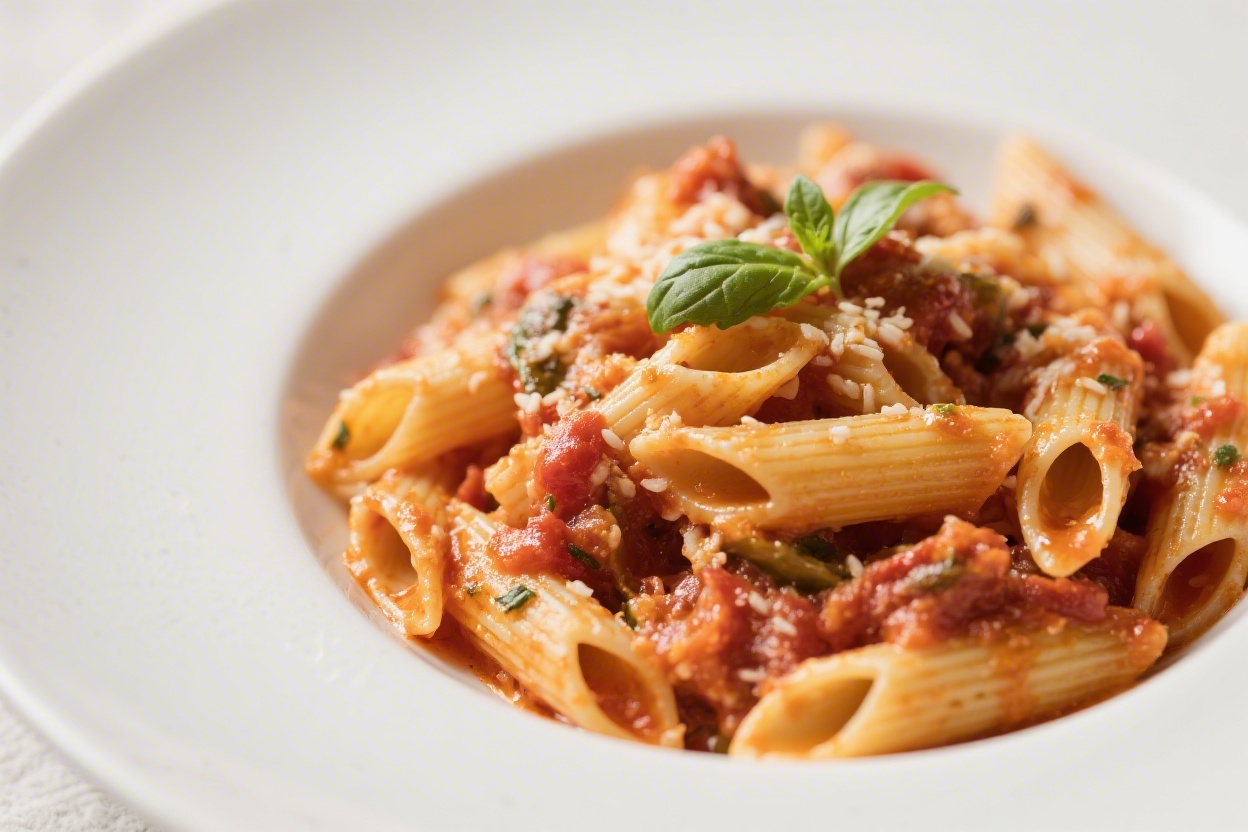
- Pair with pasta: Reserve a splash of pasta cooking water. Toss the sauce with hot pasta, adding a bit of the starchy water to help it cling. Serve with grated Parmesan.
Storage Instructions
- Refrigerator: Cool completely, then store in an airtight container for up to 5 days.
- Freezer: Portion into freezer-safe containers or bags.Freeze up to 3 months. Lay bags flat for space-saving storage.
- Reheating: Warm gently on the stovetop over low heat, adding a splash of water if it’s too thick. Stir occasionally to prevent sticking.
- Make-ahead tip: This sauce tastes even better the next day as the flavors continue to meld.
Health Benefits
- Tomatoes are rich in lycopene, an antioxidant linked to heart health and reduced inflammation.Cooking tomatoes with a little olive oil can help your body absorb lycopene more effectively.
- Olive oil provides healthy fats that support brain and heart health. It also adds satiety, making meals more satisfying.
- Garlic and onions bring compounds that may support immune health and help regulate cholesterol.
- Lower sugar and sodium control: Making your own sauce lets you limit added sugar and salt compared to many store-bought jars.
Pitfalls to Watch Out For
- Rushing the simmer: Cutting the simmer short can leave the sauce tasting raw and acidic. Give it at least 30 minutes.
- Over-browning garlic: Burnt garlic turns bitter fast.Add it after onions soften and cook briefly.
- Skipping seasoning layers: Season lightly at each step and adjust at the end. It’s easier than fixing a flat-tasting sauce later.
- Using watery tomatoes: If your tomatoes are thin, extend the simmer or add 1–2 tablespoons of tomato paste to thicken and deepen flavor.
- Heavy hand with dried herbs: Dried herbs are potent. Measure them, and finish with fresh basil for balance.
Recipe Variations
- Meaty Marinara: Brown 1/2 pound of Italian sausage or ground beef before the onions.Drain excess fat, then proceed with the recipe.
- Vegetable Boost: Add finely diced carrots and celery with the onion for a sofrito-style base. Mushrooms also add savory depth.
- Arrabbiata-Style: Increase red pepper flakes to 1 teaspoon and add a splash of chili oil at the end for heat.
- Roasted Garlic: Swap minced garlic for a head of roasted garlic, squeezed into the sauce during the last 10 minutes for a sweet, mellow flavor.
- Creamy Tomato: Stir in 1/3 cup heavy cream or a spoonful of mascarpone at the end. Taste and adjust salt.
- Herb-Forward: Skip dried basil and finish with a larger handful of fresh basil, plus chopped parsley for freshness.
- No-Alcohol: Replace wine with low-sodium vegetable or chicken broth and a teaspoon of balsamic vinegar to mimic depth.
FAQ
Can I use fresh tomatoes instead of canned?
Yes.
Use about 2 to 2.5 pounds of ripe Roma or plum tomatoes. Score, blanch, peel, and roughly chop them. You may need to simmer longer to achieve the same thickness and sweetness.
How do I fix sauce that’s too acidic?
Add a small pinch of sugar, a pat of butter, or simmer a bit longer.
A splash of milk or cream can also round out sharp edges without making it sweet.
What pasta shapes work best?
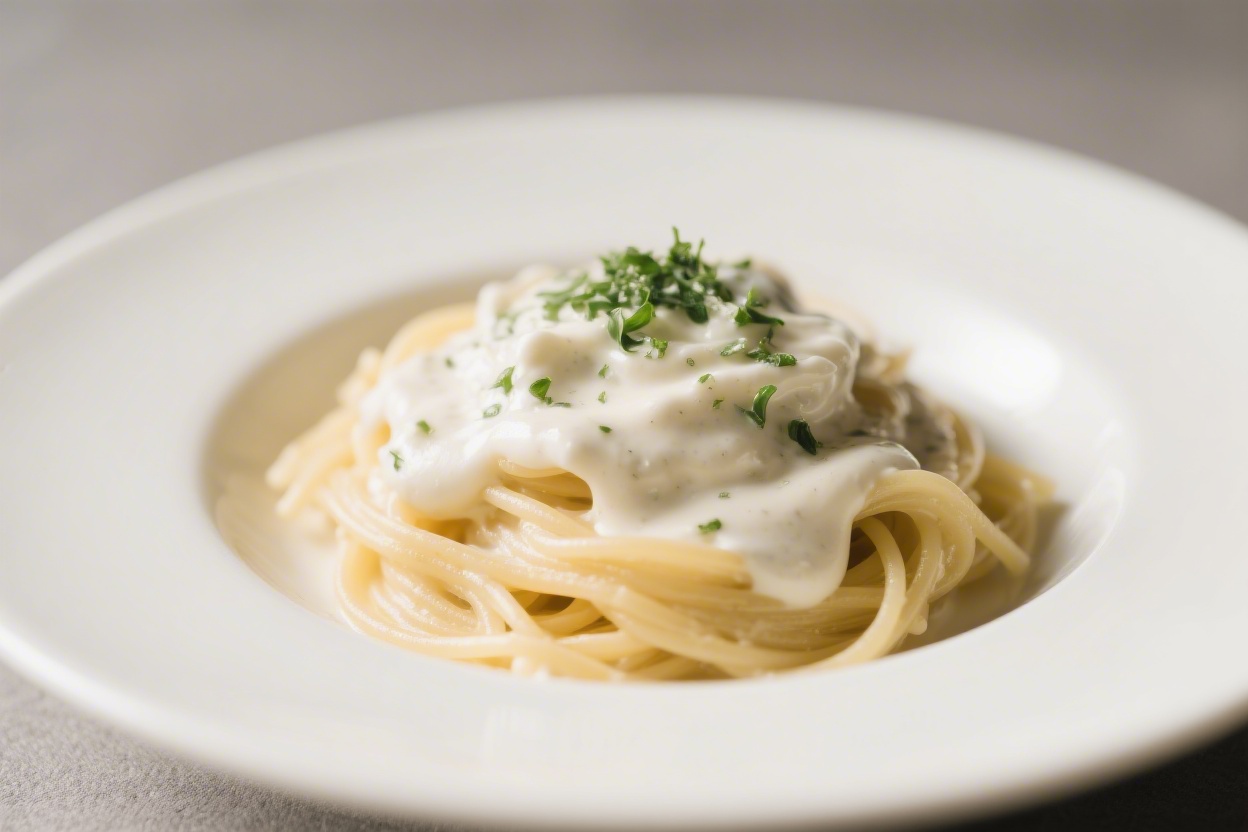
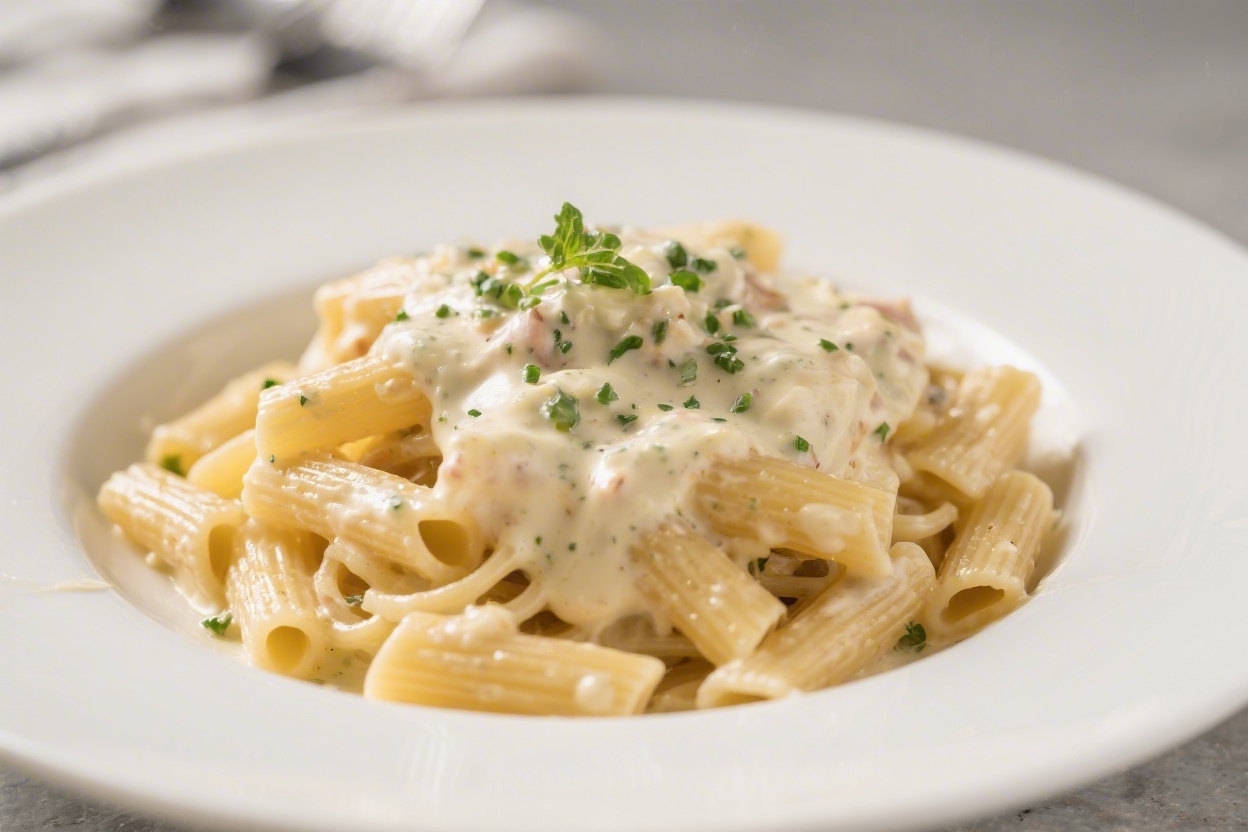
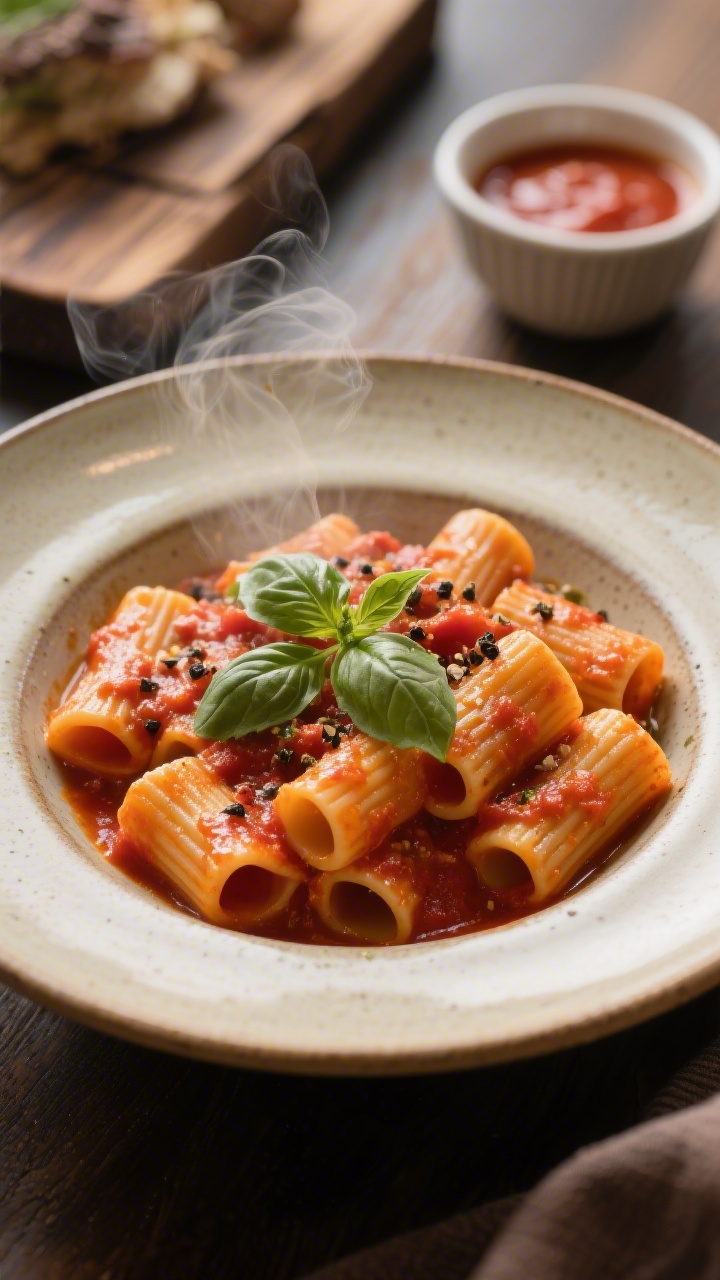
Long noodles like spaghetti and linguine are classics, but short shapes like rigatoni and penne hold the sauce well. Choose something with ridges if you like a clingier bite.
Is the wine necessary?
No, but it adds depth. If you skip it, use broth and a teaspoon of balsamic or red wine vinegar to bring complexity.
Can I make this sauce in a slow cooker?
Yes.
Sauté onions, garlic, and tomato paste on the stovetop first, then transfer everything to the slow cooker. Cook on low for 6–8 hours. Stir in butter and fresh basil at the end.
Why add a Parmesan rind?
It infuses the sauce with savory, nutty notes without adding actual cheese.
Remove it before serving. If you’re dairy-free, skip it and add a splash of soy sauce or mushroom powder for umami.
How can I make it spicier?
Increase red pepper flakes, add a pinch of cayenne, or sauté a chopped Calabrian chili with the onions. Build heat gradually so it doesn’t overpower the sauce.
Can I blend the sauce?
Absolutely.
For a smoother texture, use an immersion blender right in the pot, or blend in batches. Remove the bay leaf and Parmesan rind first.
In Conclusion
A great pasta sauce doesn’t need complicated steps or pricey ingredients. With a good simmer, balanced seasoning, and a few smart touches like butter and fresh basil, you can make a sauce that tastes restaurant-worthy at home.
Keep this recipe as your base, then tweak it to match your mood—spicy, meaty, creamy, or veggie-packed. It’s the kind of kitchen staple that turns simple pasta into something memorable, every single time.
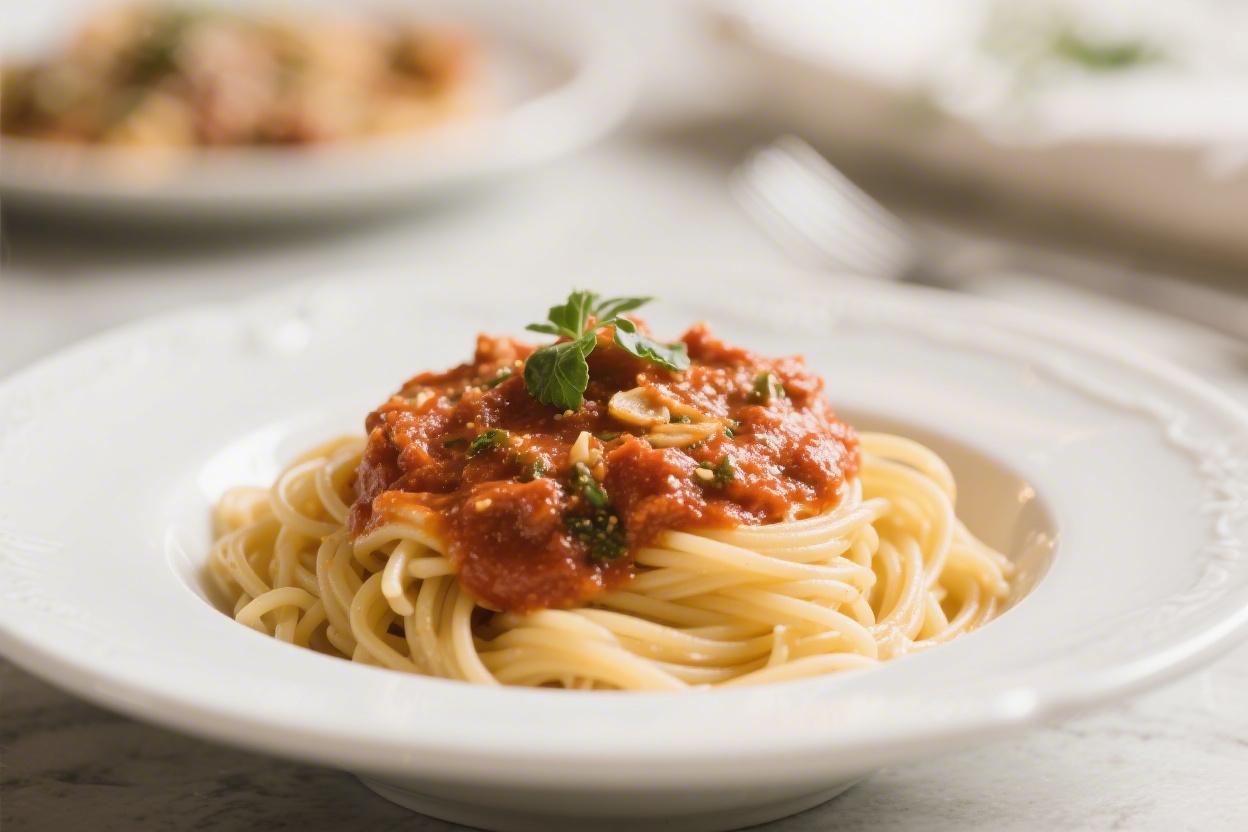
Pasta Sauce Recipe - A Simple, Flavorful Classic
Ingredients
Method
- Warm the oil: Set a medium pot over medium heat.Add olive oil and let it shimmer.
- Sweat the aromatics: Add the chopped onion with a pinch of salt. Cook 6–8 minutes, stirring, until soft and translucent, not browned. Add the garlic and cook 30–60 seconds, just until fragrant.
- Build the base: Stir in tomato paste and cook 1–2 minutes to caramelize slightly.It should darken a shade and smell sweet.
- Deglaze: Pour in the red wine. Scrape up any bits from the bottom and let it reduce by about half, 2–3 minutes. If skipping wine, add a splash of water or broth instead.
- Add tomatoes and seasonings: Stir in crushed tomatoes, dried oregano, dried basil, red pepper flakes, bay leaf, and the Parmesan rind if using.Add 1/2 teaspoon salt to start.
- Simmer gently: Bring to a gentle bubble, then reduce heat to low. Partially cover and simmer 30–45 minutes, stirring occasionally. The sauce should thicken slightly and taste richer over time.
- Balance and finish: Taste.If the sauce is too sharp, stir in 1/2 to 1 teaspoon sugar. Add the butter for a silky finish. Adjust salt and pepper.
- Fresh lift: Remove bay leaf (and Parmesan rind).Stir in torn fresh basil right before serving for brightness.
- Pair with pasta: Reserve a splash of pasta cooking water. Toss the sauce with hot pasta, adding a bit of the starchy water to help it cling. Serve with grated Parmesan.
Printable Recipe Card
Want just the essential recipe details without scrolling through the article? Get our printable recipe card with just the ingredients and instructions.