
New York Strip Steak Recipes – Simple, Flavorful Ways to Cook a Classic Cut
New York strip steak is one of those cuts that makes dinner feel special without a lot of fuss. It’s tender, beefy, and cooks up beautifully with just a hot pan and a little seasoning. Whether you’re cooking for a weeknight meal or a Saturday night treat, this steak delivers.
Below you’ll find a few go-to methods—pan-seared, grilled, and oven-finished—plus tips that help you nail it every time.
Why This Recipe Works
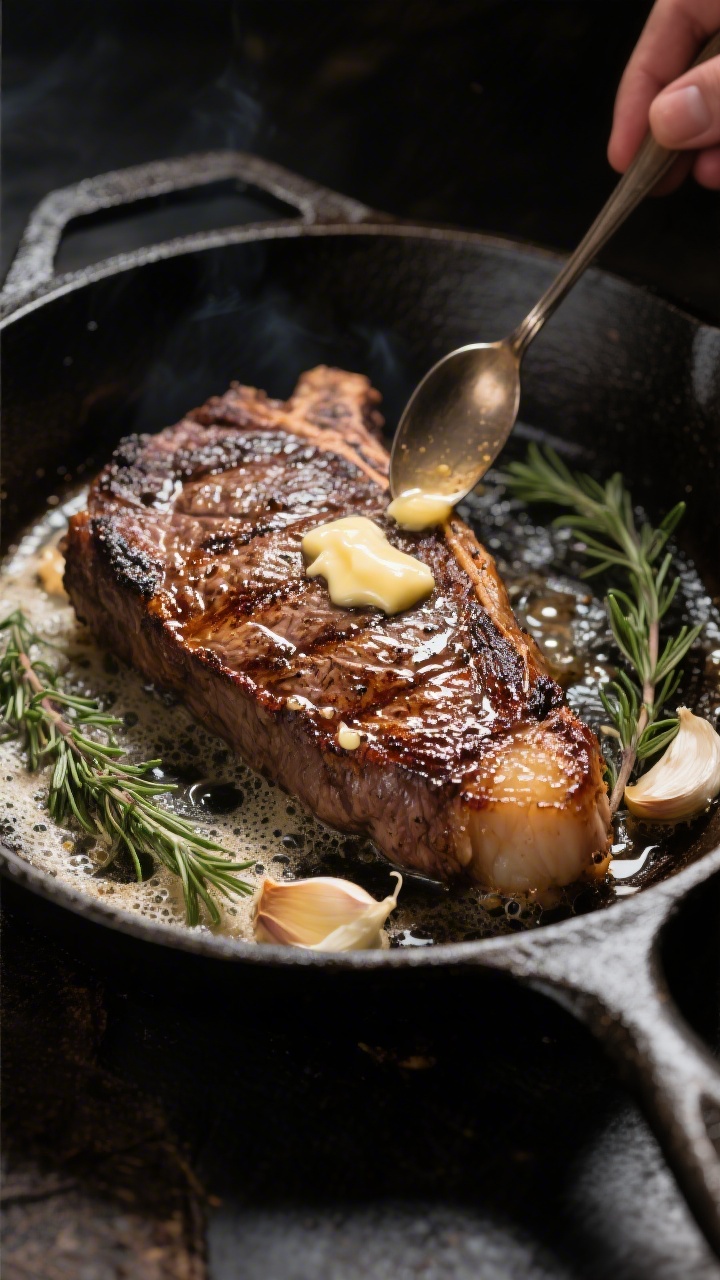
This approach focuses on simple technique and solid flavor. A hot surface creates a deep, caramelized crust while keeping the inside juicy. The steak rests after cooking to redistribute juices, so every bite is tender.
A quick butter baste with garlic and herbs adds restaurant-quality richness without complicated steps. Most important, these methods are flexible, so you can hit your exact preferred doneness—every time.
Shopping List
- New York strip steaks (1 to 1.5 inches thick, about 10–14 oz each)
- Kosher salt and freshly ground black pepper
- Neutral high-heat oil (canola, grapeseed, or avocado)
- Unsalted butter (2–3 tablespoons per steak)
- Garlic (2–3 cloves, lightly smashed)
- Fresh herbs (thyme, rosemary, or both)
- Optional finishers: flaky sea salt, lemon wedge, or a splash of balsamic
Instructions
- Choose your steak well. Look for even thickness and good marbling. A 1 to 1.5-inch steak is ideal for a great sear and a juicy center.
- Let it come to room temp. Take the steak out of the fridge 30–45 minutes before cooking.
This helps it cook evenly.
- Dry and season. Pat both sides very dry with paper towels. Season generously with kosher salt and black pepper. Don’t be shy—some of it will fall off in the pan.
- Pan-sear method (stovetop):
- Preheat a heavy skillet (cast iron works best) over medium-high heat until very hot.
- Add 1–2 teaspoons oil and swirl to coat.
When the oil shimmers, add the steak.
- Sear without moving for 2–3 minutes until a deep crust forms. Flip and sear another 2–3 minutes.
- Reduce heat to medium. Add butter, garlic, and herbs to the pan.
Tilt the pan and spoon the foaming butter over the steak for 1–2 minutes.
- Check temperature: about 120–125°F for medium-rare, 130–135°F for medium. Pull it a few degrees early; it will rise as it rests.
- Grill method:
- Preheat grill to high (450–500°F). Clean and oil grates.
- Grill steak 3–4 minutes per side over direct heat for medium-rare, using the lid to control flare-ups.
- Move to indirect heat if needed to finish to temp.
Optionally, baste with melted butter and herbs off the flame.
- Oven-finish method:
- Sear steak 2 minutes per side in a hot skillet. Transfer to a 400°F oven for 4–6 minutes, depending on thickness and desired doneness.
- Baste with butter and herbs in the last minute of searing or as it comes out of the oven.
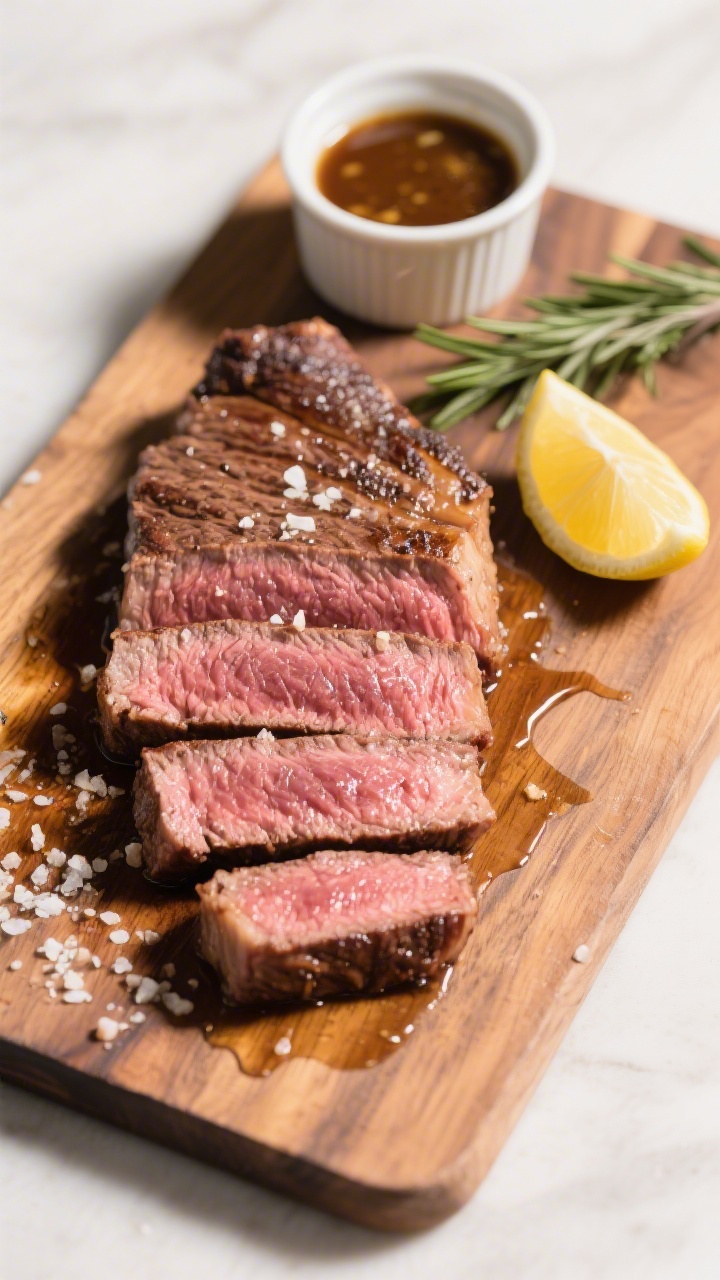
- Rest and slice. Transfer to a cutting board and rest 5–10 minutes. Slice against the grain or serve whole.
Finish with a tiny sprinkle of flaky salt and a squeeze of lemon if you like.
- Simple pan sauce (optional): After removing the steak, pour off excess fat, leaving about a tablespoon. Add a splash of beef stock or wine, scrape up browned bits, and simmer 1–2 minutes. Whisk in a knob of butter and adjust seasoning.
Keeping It Fresh
Store leftover steak in an airtight container in the fridge for up to 3 days.
Reheat gently to avoid overcooking: warm slices in a low oven (275°F) for 10–12 minutes or in a skillet over low heat with a splash of stock. You can also enjoy it cold, thinly sliced on salads or sandwiches. Avoid microwaving on high—short bursts at 50% power work better if you must.
Why This is Good for You
New York strip is a solid source of high-quality protein, which supports muscle repair and keeps you full.
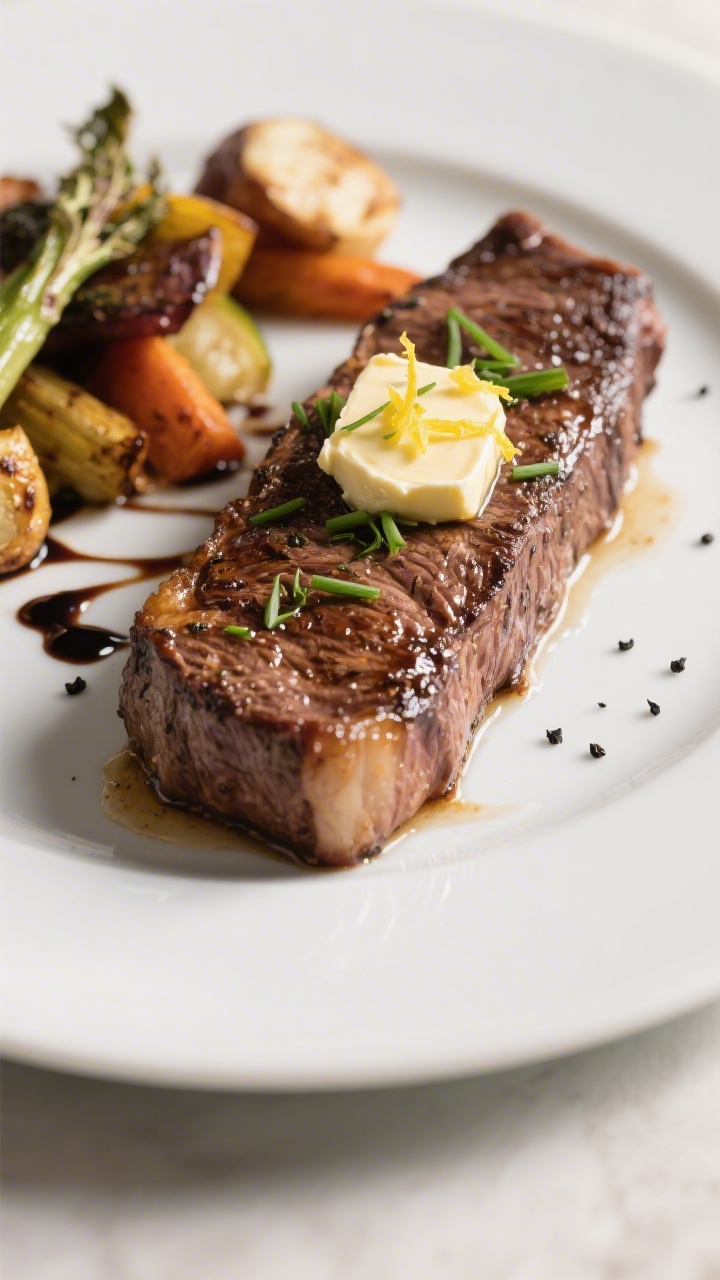
It provides iron and vitamin B12, important for energy and red blood cell health. When you pan-sear with a bit of butter and herbs, a little goes a long way for flavor, so you don’t need heavy sauces. Pair with a simple side—roasted vegetables, a crisp salad, or mashed potatoes—for a balanced plate.
Common Mistakes to Avoid
- Skipping the dry step. Surface moisture blocks browning.
Pat it dry for a better crust.
- Under-seasoning. Salt needs to be generous to penetrate and enhance the beefy flavor.
- Pan not hot enough. A lukewarm pan steams the steak. Preheat until the oil shimmers.
- Constant flipping. Let it sear undisturbed to develop color and flavor before turning.
- Not resting. Cutting right away spills juices onto the board instead of your plate.
- Guessing doneness. Use an instant-read thermometer for accuracy.
Alternatives
- Dry rub variation: Mix salt, pepper, smoked paprika, garlic powder, and a pinch of brown sugar. Pat it on both sides before searing for a steakhouse vibe.
- Chimichurri finish: Spoon a fresh parsley, garlic, red wine vinegar, and olive oil sauce over sliced steak for bright, herby flavor.
- Peppercorn crust: Coarsely crush black peppercorns and press onto the steak.
After searing, make a quick pan sauce with brandy or broth and a touch of cream.
- Butter swaps: Try compound butter with lemon zest and chives, or blue cheese butter for a bold finish.
- No-butter option: Baste with olive oil and fresh herbs for a lighter approach.
FAQ
What temperature should I cook my steak to?
Medium-rare is around 130°F at rest (pull from heat at 125°F). Medium rests at 135–140°F (pull at 130–135°F). Use an instant-read thermometer for best results.
How do I get a great crust without overcooking?
Start with a very hot pan, dry the steak well, and don’t overcrowd.
Sear hard for a couple of minutes per side, then finish on lower heat or in the oven. Butter-basting at the end adds color fast.
Should I marinate a New York strip?
You don’t need to. This cut is naturally flavorful and tender.
If you want extra flavor, use a dry rub or finish with a sauce instead of a long marinade.
How long should I rest the steak?
About 5–10 minutes, depending on thickness. Resting keeps the juices where they belong—inside the steak.
Can I cook it from frozen?
You can, but results are better when thawed. If cooking from frozen, sear both sides to color, then finish gently in a 275°F oven until it hits your target temperature.
It will take longer.
What oil is best for searing?
Use a neutral, high-smoke-point oil like canola, grapeseed, or avocado. Add butter later for flavor.
How do I avoid smoke in my kitchen?
Use a well-ventilated area, preheat gradually, and wipe out any burned bits between batches. You can also sear with less oil and finish in the oven to reduce smoke.
Is bone-in or boneless better?
Both are great.
Bone-in can add a bit of flavor and helps with moisture near the bone, while boneless cooks more evenly and is easier to slice. Choose what you prefer.
Final Thoughts
New York strip steak doesn’t need much to be outstanding. With a hot pan, proper seasoning, and a quick butter baste, you can make a steakhouse-quality dinner at home.
Keep a thermometer handy, let it rest, and finish with a touch of flaky salt. Once you master the basics, switch up the finishers and sides to keep it exciting week after week.
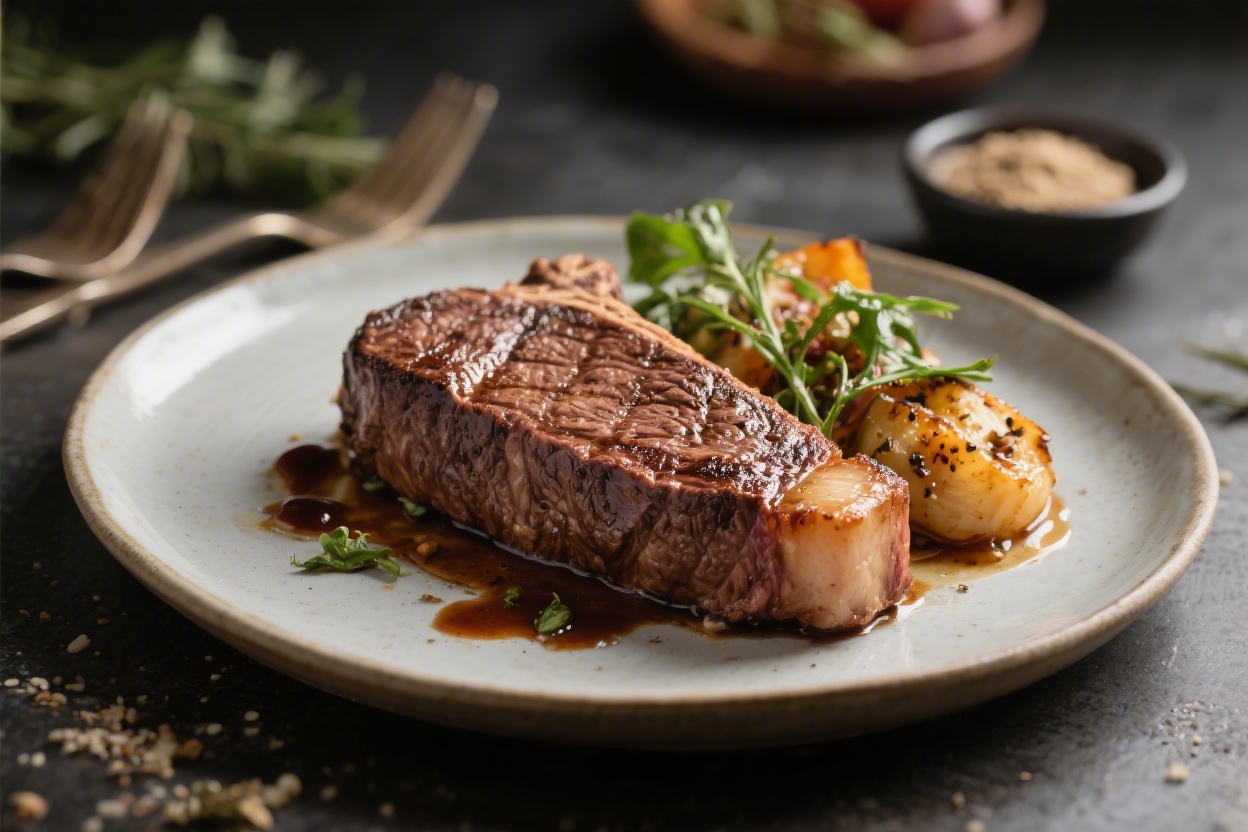
New York Strip Steak Recipes - Simple, Flavorful Ways to Cook a Classic Cut
Ingredients
Method
- Choose your steak well. Look for even thickness and good marbling. A 1 to 1.5-inch steak is ideal for a great sear and a juicy center.
- Let it come to room temp. Take the steak out of the fridge 30–45 minutes before cooking.This helps it cook evenly.
- Dry and season. Pat both sides very dry with paper towels. Season generously with kosher salt and black pepper. Don’t be shy—some of it will fall off in the pan.
- Pan-sear method (stovetop): Preheat a heavy skillet (cast iron works best) over medium-high heat until very hot.
- Add 1–2 teaspoons oil and swirl to coat.When the oil shimmers, add the steak.
- Sear without moving for 2–3 minutes until a deep crust forms. Flip and sear another 2–3 minutes.
- Reduce heat to medium. Add butter, garlic, and herbs to the pan.Tilt the pan and spoon the foaming butter over the steak for 1–2 minutes.
- Check temperature: about 120–125°F for medium-rare, 130–135°F for medium. Pull it a few degrees early; it will rise as it rests.
- Grill method: Preheat grill to high (450–500°F). Clean and oil grates.
- Grill steak 3–4 minutes per side over direct heat for medium-rare, using the lid to control flare-ups.
- Move to indirect heat if needed to finish to temp.Optionally, baste with melted butter and herbs off the flame.
- Oven-finish method: Sear steak 2 minutes per side in a hot skillet. Transfer to a 400°F oven for 4–6 minutes, depending on thickness and desired doneness.
- Baste with butter and herbs in the last minute of searing or as it comes out of the oven.
- Rest and slice. Transfer to a cutting board and rest 5–10 minutes. Slice against the grain or serve whole.Finish with a tiny sprinkle of flaky salt and a squeeze of lemon if you like.
- Simple pan sauce (optional): After removing the steak, pour off excess fat, leaving about a tablespoon. Add a splash of beef stock or wine, scrape up browned bits, and simmer 1–2 minutes. Whisk in a knob of butter and adjust seasoning.
Printable Recipe Card
Want just the essential recipe details without scrolling through the article? Get our printable recipe card with just the ingredients and instructions.