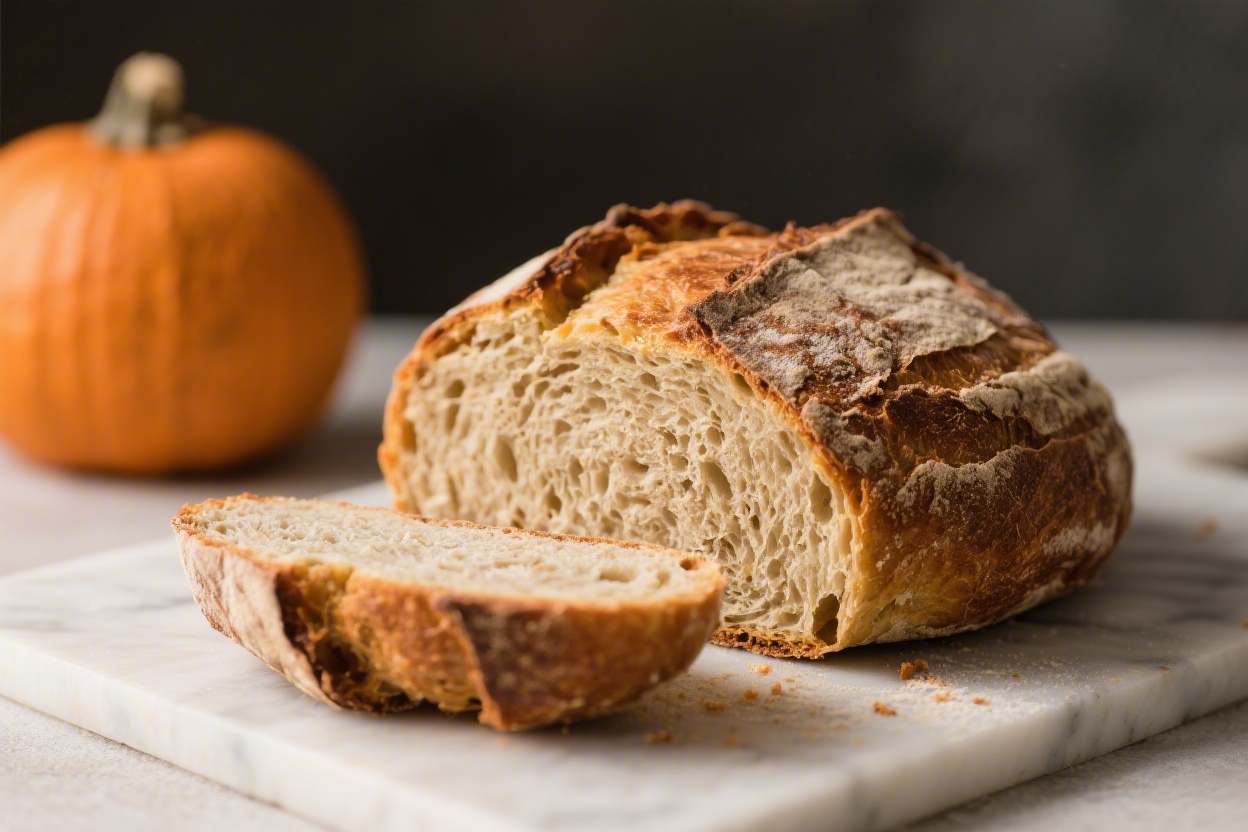
Lemon Bread Recipe – Bright, Moist, and Easy to Love
If you love baked goods that taste fresh and not too sweet, this lemon bread will hit the spot. It’s tender, moist, and full of citrus flavor without being heavy. The batter comes together in one bowl, and the loaf bakes up with a light crumb and a gentle tang.
A simple lemon glaze on top adds shine and extra zing. This is the kind of recipe you’ll make once and keep on repeat for brunches, snacks, or a quick homemade gift.
What Makes This Special

This lemon bread leans into real lemons for both juice and zest, so the flavor tastes clean and natural. A touch of yogurt keeps the crumb soft and moist without making it dense.
The glaze is optional, but it locks in moisture and adds a glossy finish that feels bakery-level with almost no effort. It also freezes beautifully, so you can bake a loaf now and enjoy slices later with tea or coffee. Best of all, the steps are simple and forgiving, even if you’re new to baking.
Shopping List
- All-purpose flour – the base for a tender crumb
- Granulated sugar – sweetness that balances the lemon
- Baking powder – for lift and a soft texture
- Salt – just a pinch to enhance flavor
- Eggs – room temperature works best
- Unsalted butter – melted and slightly cooled
- Plain yogurt (or sour cream) – for moisture and tang
- Whole milk – adds lightness to the batter
- Fresh lemons – you’ll need zest and juice
- Vanilla extract – rounds out the citrus
- Powdered sugar – for the lemon glaze
Suggested amounts for one standard 9×5-inch loaf:
- 1 3/4 cups (220 g) all-purpose flour
- 1 cup (200 g) granulated sugar
- 2 teaspoons baking powder
- 1/2 teaspoon fine salt
- 2 large eggs
- 1/2 cup (115 g) unsalted butter, melted and cooled
- 1/2 cup (120 g) plain yogurt or sour cream
- 1/4 cup (60 ml) whole milk
- 2 tablespoons finely grated lemon zest (about 2 lemons)
- 1/4 cup (60 ml) fresh lemon juice
- 1 teaspoon vanilla extract
For the glaze:
- 1 cup (120 g) powdered sugar
- 2–3 tablespoons fresh lemon juice
- Optional pinch of lemon zest for extra brightness
Step-by-Step Instructions
- Prep the pan and oven. Heat your oven to 350°F (175°C).
Grease a 9×5-inch loaf pan and line it with a parchment sling so the loaf lifts out easily. This helps prevent sticking and keeps the edges neat.
- Mix dry ingredients. In a large bowl, whisk the flour, sugar, baking powder, and salt. Whisking breaks up clumps and distributes the leavening, so you get an even rise.
- Whisk wet ingredients. In a separate bowl or large measuring cup, combine eggs, melted butter, yogurt, milk, lemon zest, lemon juice, and vanilla.
Stir until smooth. The yogurt and butter will look slightly creamy—this is perfect.
- Combine gently. Pour the wet mixture into the dry ingredients. Stir with a spatula until just combined.
A few small streaks of flour are okay. Do not overmix, or the loaf can turn tough.
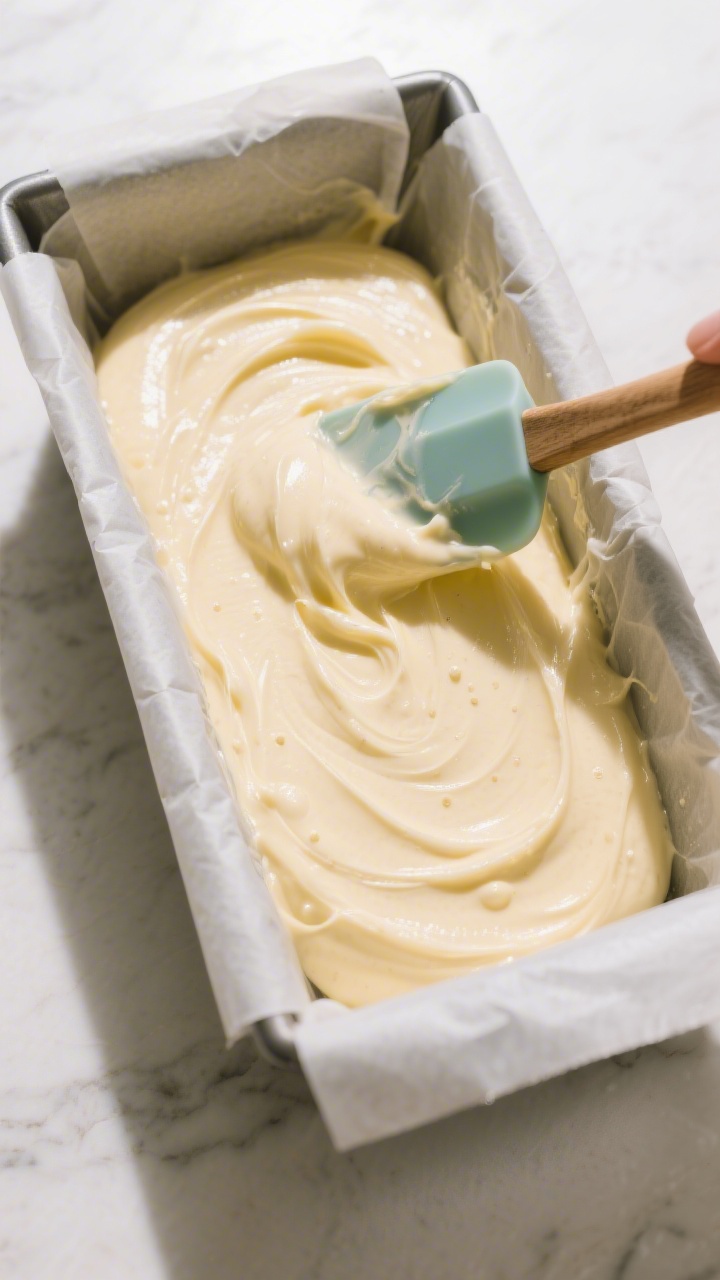
- Fill the pan. Scrape the batter into the prepared pan. Smooth the top with a spatula and tap the pan lightly on the counter to release any large air bubbles.
- Bake. Bake for 50–60 minutes, or until a toothpick inserted in the center comes out clean or with a few moist crumbs. If the top is browning too fast, tent it loosely with foil for the last 10–15 minutes.
- Cool before glazing. Let the loaf cool in the pan for 10 minutes, then lift it out using the parchment and set it on a rack.
Cool until just warm to the touch, about 45 minutes. Glazing too hot will make the glaze melt away.
- Make the glaze. In a small bowl, whisk powdered sugar with 2 tablespoons lemon juice. Add more juice, a teaspoon at a time, until it’s thick but pourable.
You want it to ribbon slowly off a spoon.
- Glaze and set. Spoon or drizzle the glaze over the warm loaf, letting it drip down the sides. Sprinkle a bit of zest on top if you like. Let the glaze set for 20–30 minutes before slicing.
- Slice and enjoy. Use a serrated knife for clean slices.
Serve plain or with a swipe of butter. It’s great with coffee, tea, or fresh berries.
Storage Instructions
Once fully cool and the glaze has set, wrap the loaf tightly in plastic wrap or store in an airtight container. It keeps at room temperature for 2–3 days.
For longer storage, wrap well and refrigerate for up to 5 days; bring to room temperature before serving.
To freeze, wrap the whole loaf or individual slices in plastic, then foil, and freeze for up to 2 months. Thaw at room temperature, unwrapped, so condensation doesn’t make the crust soggy.

Why This is Good for You
Lemons bring vitamin C and a bright flavor that can help you cut down on heavy frostings or overly sweet desserts. Using yogurt adds a bit of protein and helps keep the loaf moist without extra oil.
The recipe is balanced, so one slice satisfies without feeling like a sugar bomb. Paired with fruit or a cup of tea, it can be a thoughtful, lighter dessert option.
Pitfalls to Watch Out For
- Overmixing the batter: This can make the bread tough. Stir just until you don’t see dry flour.
- Old baking powder: If it’s expired, your loaf won’t rise well.
Replace it every 6–12 months.
- Too much lemon juice: Extra liquid can throw off the texture. Stick to the amounts listed unless you adjust the dry ingredients.
- Glazing too hot: If the loaf is hot, the glaze will soak in and disappear. Wait until it’s warm.
- Cutting too soon: Slicing while hot can make the crumb gummy.
Give it time to set.
Alternatives
- Lemon Poppy Seed: Stir 1–2 tablespoons poppy seeds into the batter for a classic twist.
- Lemon Blueberry: Fold in 1 cup fresh blueberries tossed with a teaspoon of flour to prevent sinking.
- Dairy-Free: Use neutral oil (like grapeseed or light olive oil) instead of butter, and a dairy-free yogurt and milk.
- Gluten-Free: Swap in a 1:1 gluten-free flour blend that includes xanthan gum. Check bake time a few minutes early.
- Less Sweet: Reduce sugar to 3/4 cup. Keep the glaze light or skip it and brush the warm loaf with a little lemon syrup.
- Extra Tangy: Add an extra teaspoon of zest and a teaspoon of lemon extract for a bolder lemon flavor without changing the moisture.
FAQ
Can I use bottled lemon juice?
You can, but fresh lemon juice tastes brighter and cleaner.
If you must use bottled, choose a good-quality brand and don’t skip the fresh zest, which carries a lot of the lemon aroma.
What if I don’t have yogurt?
Sour cream is a perfect swap. In a pinch, use buttermilk and reduce the milk slightly to keep the batter from getting too thin.
How do I know it’s fully baked?
Look for a golden top that springs back slightly when touched. A toothpick should come out clean or with a few moist crumbs, not wet batter.
If the center sinks after baking, it likely needed a few more minutes.
Can I make this as muffins?
Yes. Divide the batter into a lined 12-cup muffin tin and bake at 350°F (175°C) for 18–22 minutes. Glaze once they’re mostly cool.
Why did my loaf crack on top?
Loaves often crack as they expand in the oven—this is normal and part of their charm.
If the crack seems too deep, your oven may be a bit hot, or the batter may have been slightly overmixed. It will still taste great.
Can I reduce the butter?
Yes. Replace 2–3 tablespoons of butter with an equal amount of yogurt or applesauce.
The texture stays moist, though the crumb will be slightly less rich.
Is the glaze necessary?
No, but it adds flavor and moisture. If you prefer to skip it, brush the warm loaf with a light lemon syrup (equal parts lemon juice and sugar, heated until dissolved) for a subtle finish.
In Conclusion
This lemon bread recipe is bright, simple, and reliable—everything you want from a homemade loaf. With real lemon flavor, a moist crumb, and a quick glaze, it looks and tastes like a treat without the fuss.
Keep it classic or try one of the easy variations to make it your own. Either way, you’ll have a crowd-pleaser that works for breakfast, afternoon coffee, or an easy dessert any day of the week.

Lemon Bread Recipe - Bright, Moist, and Easy to Love
Ingredients
Method
- Prep the pan and oven. Heat your oven to 350°F (175°C).Grease a 9x5-inch loaf pan and line it with a parchment sling so the loaf lifts out easily. This helps prevent sticking and keeps the edges neat.
- Mix dry ingredients. In a large bowl, whisk the flour, sugar, baking powder, and salt. Whisking breaks up clumps and distributes the leavening, so you get an even rise.
- Whisk wet ingredients. In a separate bowl or large measuring cup, combine eggs, melted butter, yogurt, milk, lemon zest, lemon juice, and vanilla.Stir until smooth. The yogurt and butter will look slightly creamy—this is perfect.
- Combine gently. Pour the wet mixture into the dry ingredients. Stir with a spatula until just combined.A few small streaks of flour are okay. Do not overmix, or the loaf can turn tough.
- Fill the pan. Scrape the batter into the prepared pan. Smooth the top with a spatula and tap the pan lightly on the counter to release any large air bubbles.
- Bake. Bake for 50–60 minutes, or until a toothpick inserted in the center comes out clean or with a few moist crumbs. If the top is browning too fast, tent it loosely with foil for the last 10–15 minutes.
- Cool before glazing. Let the loaf cool in the pan for 10 minutes, then lift it out using the parchment and set it on a rack.Cool until just warm to the touch, about 45 minutes. Glazing too hot will make the glaze melt away.
- Make the glaze. In a small bowl, whisk powdered sugar with 2 tablespoons lemon juice. Add more juice, a teaspoon at a time, until it’s thick but pourable.You want it to ribbon slowly off a spoon.
- Glaze and set. Spoon or drizzle the glaze over the warm loaf, letting it drip down the sides. Sprinkle a bit of zest on top if you like. Let the glaze set for 20–30 minutes before slicing.
- Slice and enjoy. Use a serrated knife for clean slices.Serve plain or with a swipe of butter. It’s great with coffee, tea, or fresh berries.
Printable Recipe Card
Want just the essential recipe details without scrolling through the article? Get our printable recipe card with just the ingredients and instructions.