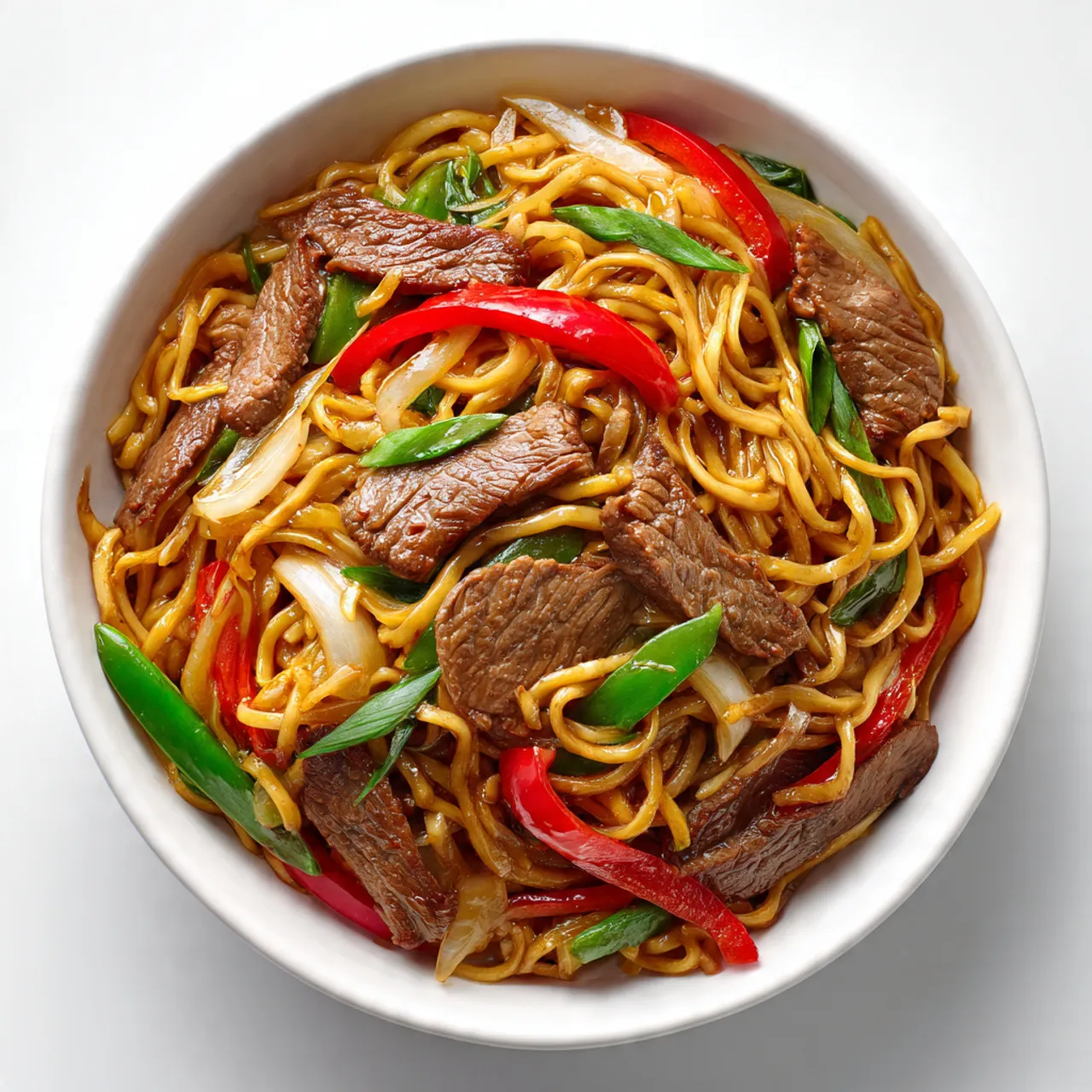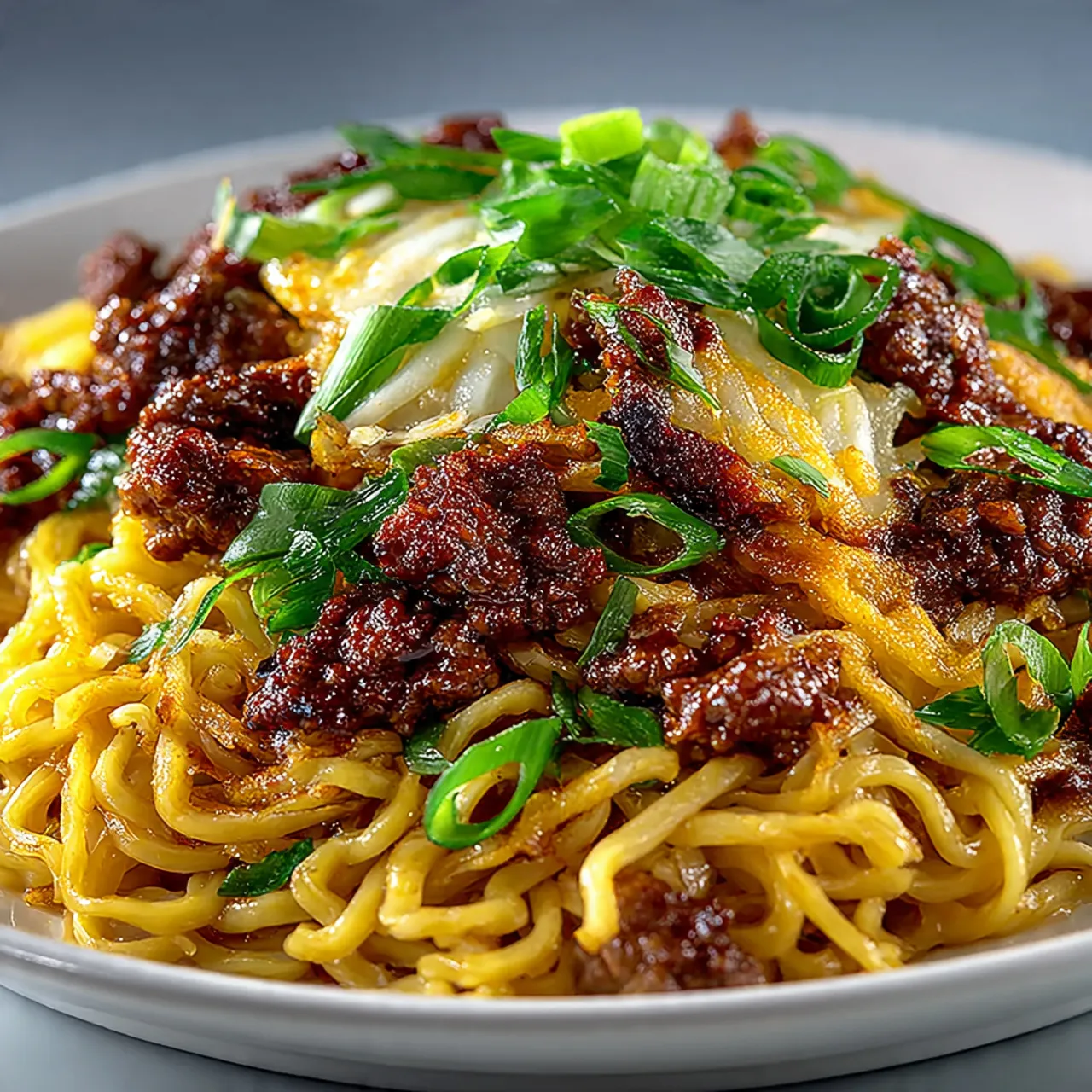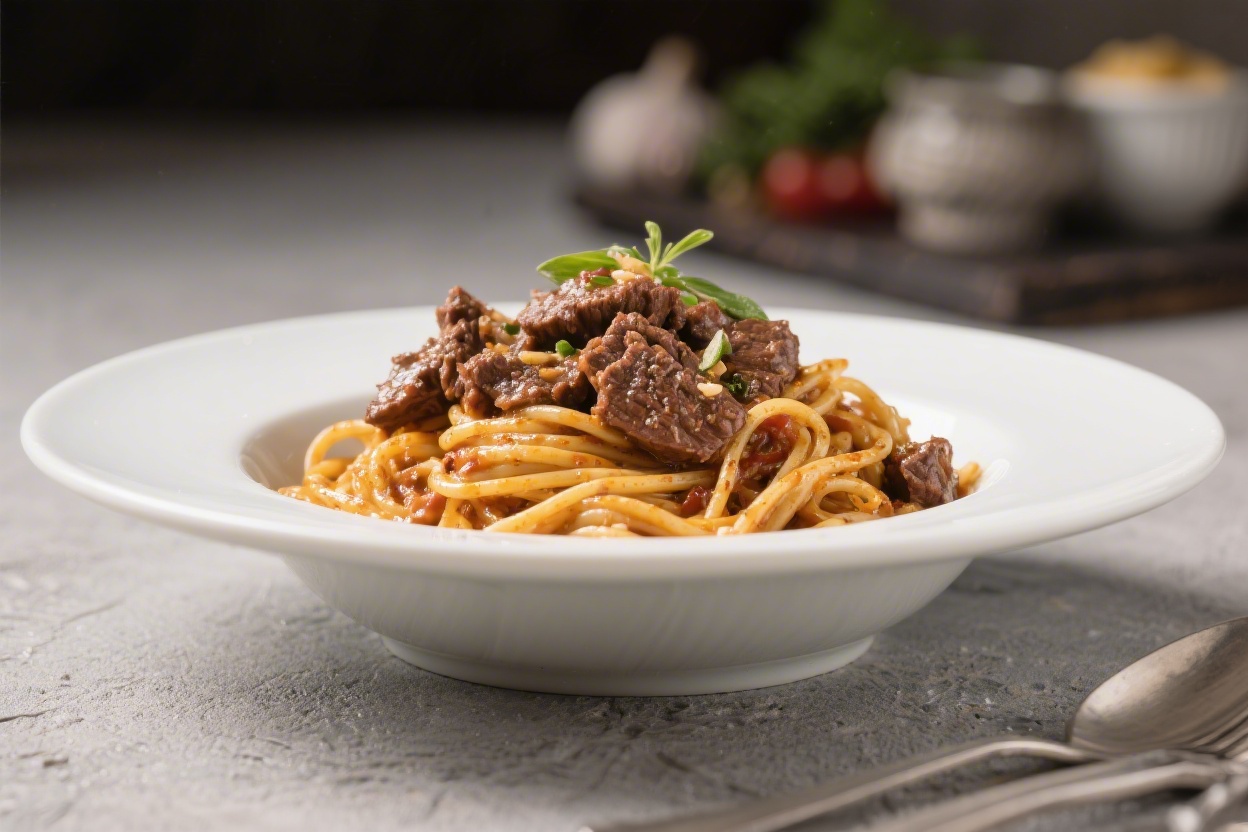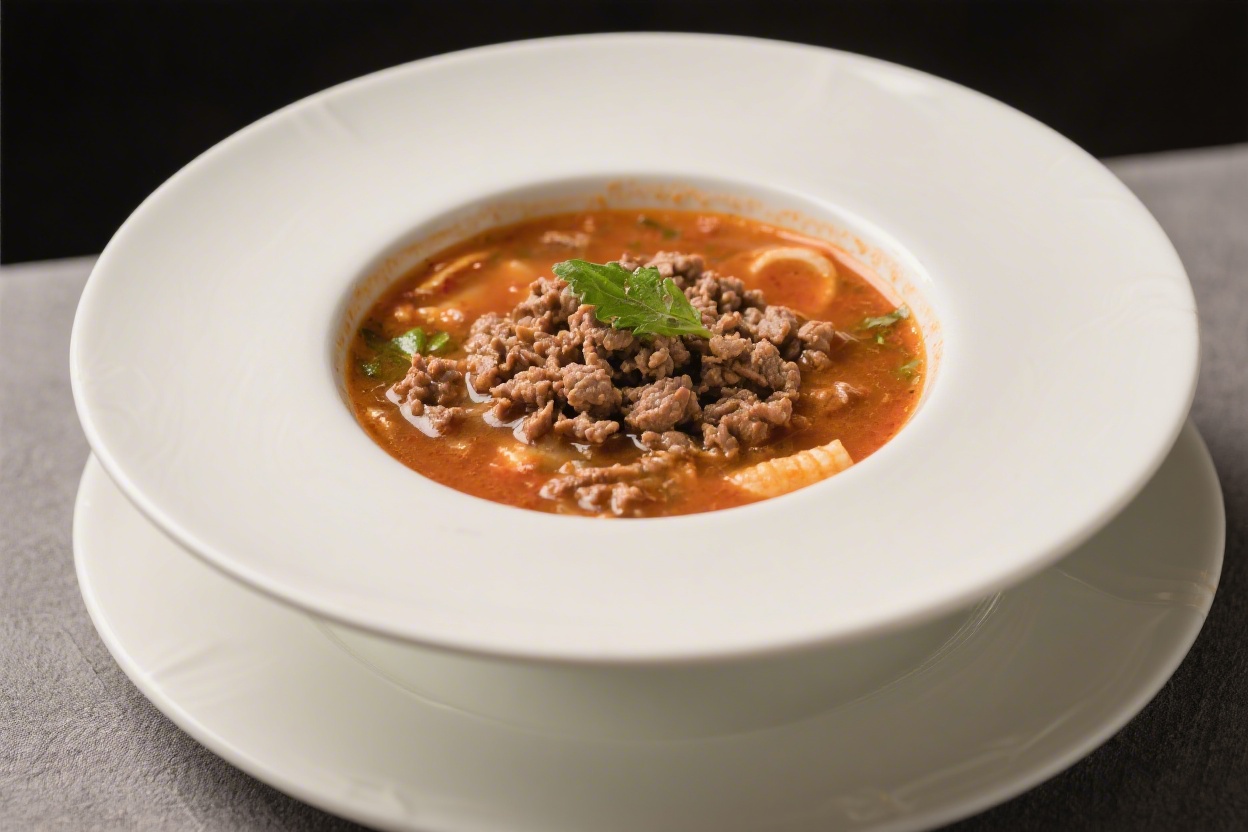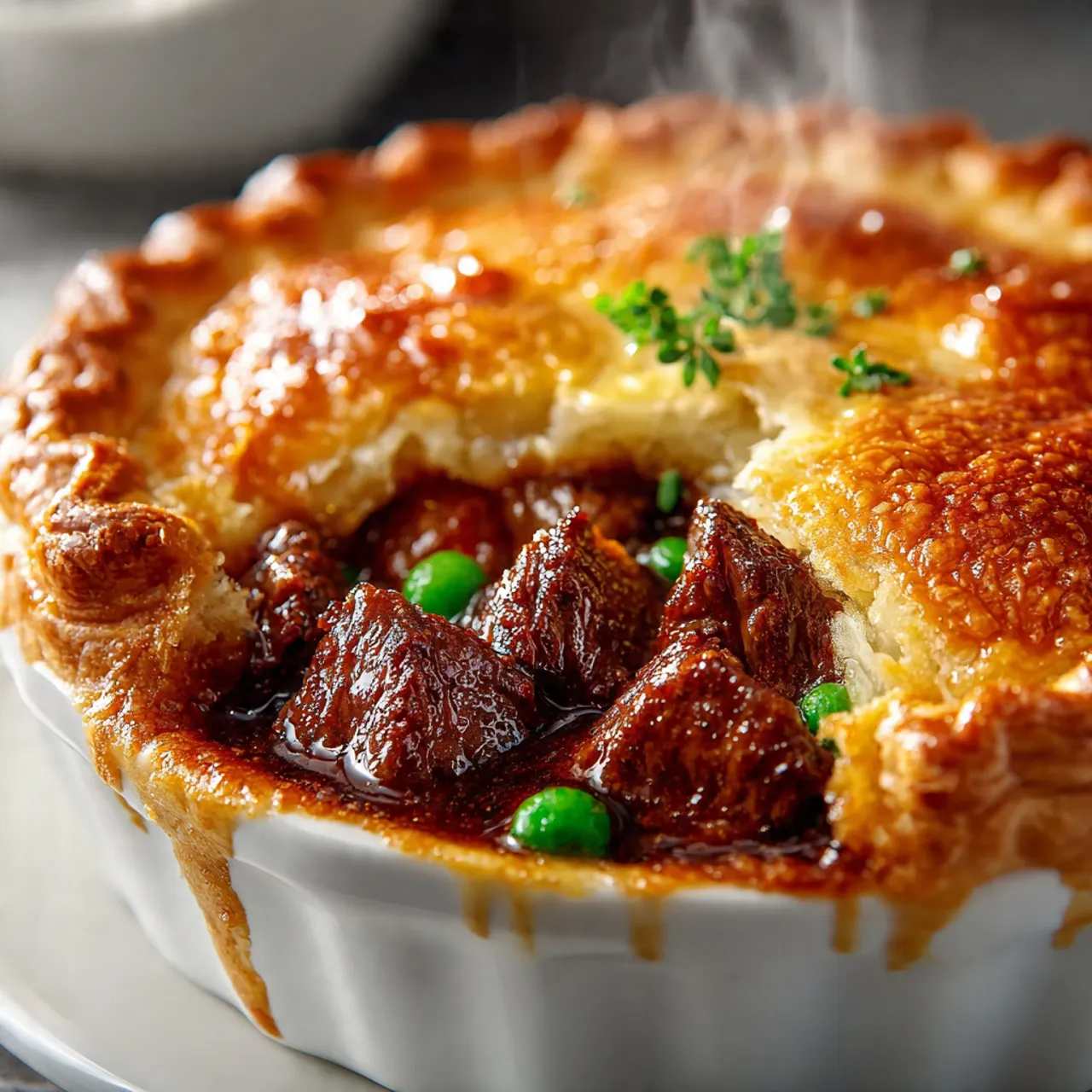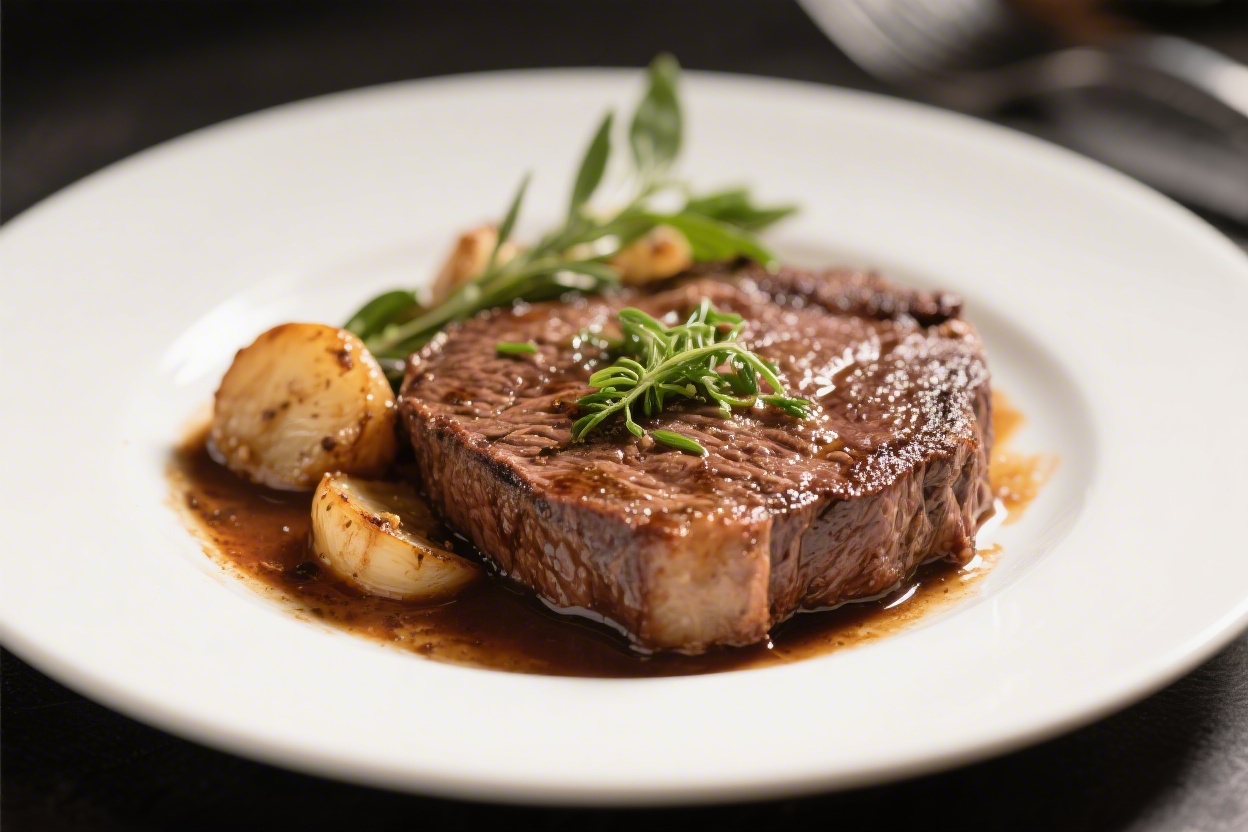
Beef Tenderloin Recipe – Simple, Juicy, and Perfect Every Time
Beef tenderloin feels special without being fussy. It’s tender, rich, and surprisingly easy to cook at home with just a few smart steps. This recipe gives you a beautifully browned crust on the outside and a melt-in-your-mouth center.
You don’t need fancy tools—just good timing, a hot pan, and confidence. Serve it for holidays, date night, or any dinner you want to feel a little elevated.
What Makes This Recipe So Good
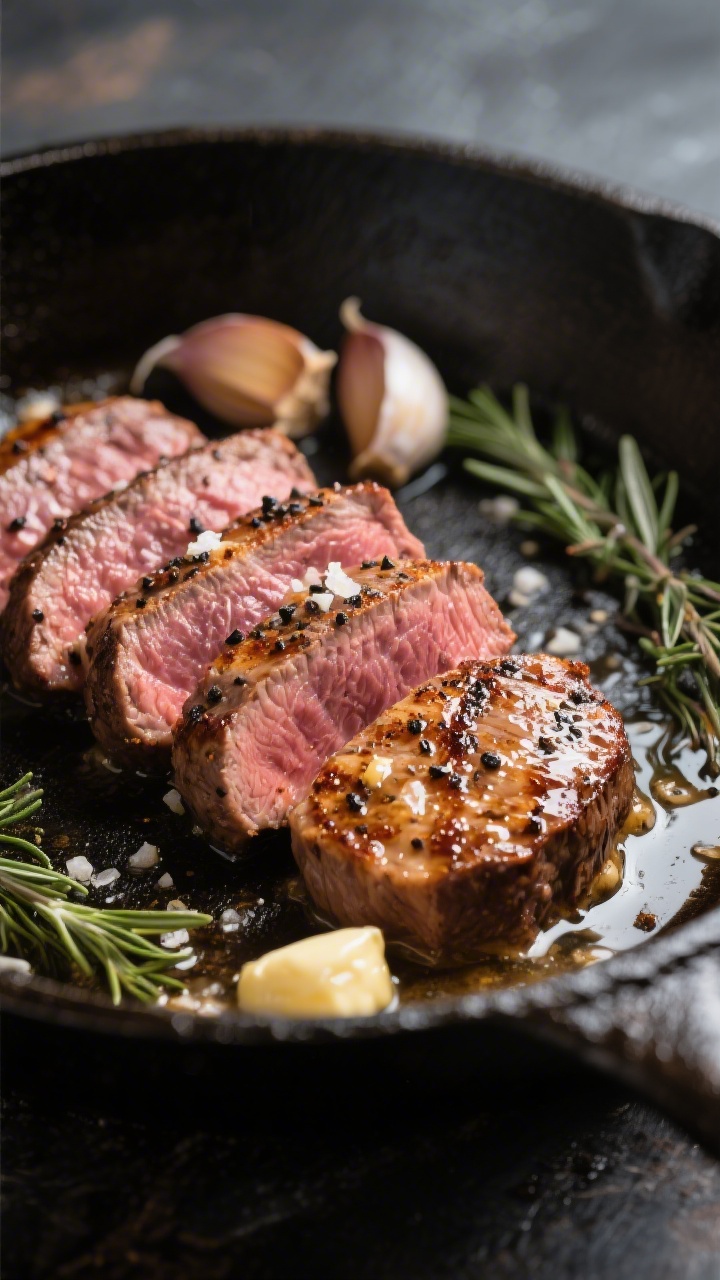
- Restaurant-level results at home: A quick sear and gentle roast give you a golden crust and juicy center.
- Simple seasoning, big flavor: Salt, pepper, garlic, and herbs let the beef shine without overpowering it.
- Foolproof technique: Clear steps and internal temperature targets help you avoid overcooking.
- Versatile: Works for a whole tenderloin or center-cut steaks (filet mignon).
- Minimal dishes: One pan to sear, the oven does the rest.
What You’ll Need
- Beef tenderloin: 3 to 4 pounds, trimmed and tied (ask your butcher to do this, or tie it yourself every 1.5 inches with kitchen twine).
- Kosher salt and freshly ground black pepper: Generous amounts for seasoning.
- Olive oil or neutral high-heat oil: 2 to 3 tablespoons for searing.
- Butter: 3 tablespoons, for basting.
- Garlic: 4 to 6 cloves, lightly smashed.
- Fresh herbs: A few sprigs of rosemary and thyme (or one of them if that’s what you have).
- Optional flavor boosts: Dijon mustard, flaky sea salt, lemon zest, or a splash of red wine for deglazing.
- Equipment: Large oven-safe skillet or roasting pan, instant-read thermometer, tongs, and kitchen twine if not pre-tied.
Step-by-Step Instructions
- Bring to room temp: Take the tenderloin out of the fridge 45 to 60 minutes before cooking. Pat it dry very well with paper towels.
- Season boldly: Sprinkle all sides with kosher salt and black pepper.
For best results, salt it at least 30 minutes before cooking to help it season through.
- Preheat the oven: Set to 425°F (220°C). Place a rack in the center.
- Heat your pan: Set a large oven-safe skillet over medium-high to high heat. Add the oil and heat until it shimmers.
- Sear the beef: Lay the tenderloin in the hot pan and sear 2 to 3 minutes per side until deeply browned all over.
Don’t rush the browning—it builds flavor.
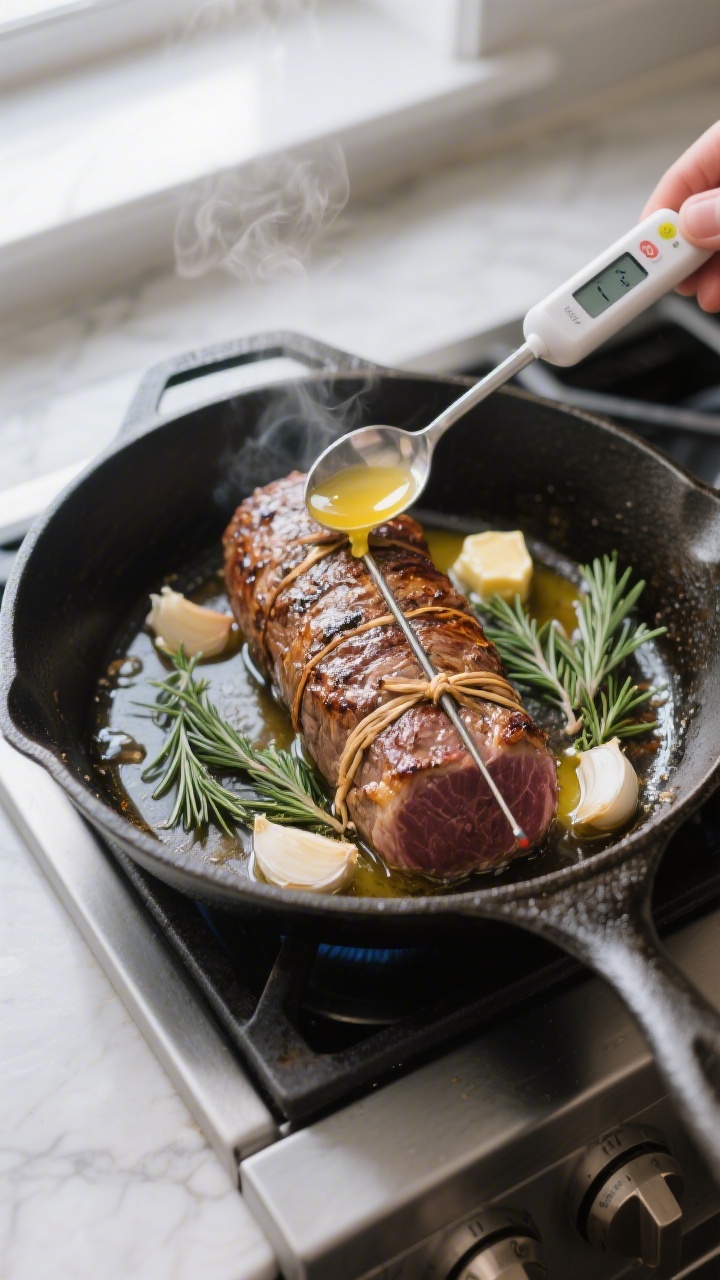
- Add aromatics: Reduce heat to medium. Add butter, smashed garlic, and herbs to the pan. Tilt the pan and spoon the foaming butter over the beef for about 1 to 2 minutes.
- Roast: Transfer the skillet to the oven.
Roast until the internal temperature hits your target: about 120°F for rare, 125°F for medium-rare, 130–135°F for medium. This usually takes 15 to 25 minutes, depending on thickness and your oven.
- Check early: Start checking with an instant-read thermometer at the 12-minute mark. Insert it into the thickest part for an accurate reading.
- Rest: Move the tenderloin to a cutting board and tent loosely with foil.
Rest for 15 to 20 minutes. The temperature will rise 5 to 10 degrees as it rests.
- Optional pan sauce: While resting, place the skillet back on medium heat. Deglaze with a splash of red wine or beef broth, scraping up brown bits.
Simmer 2 to 3 minutes, then swirl in a tablespoon of butter. Season to taste.
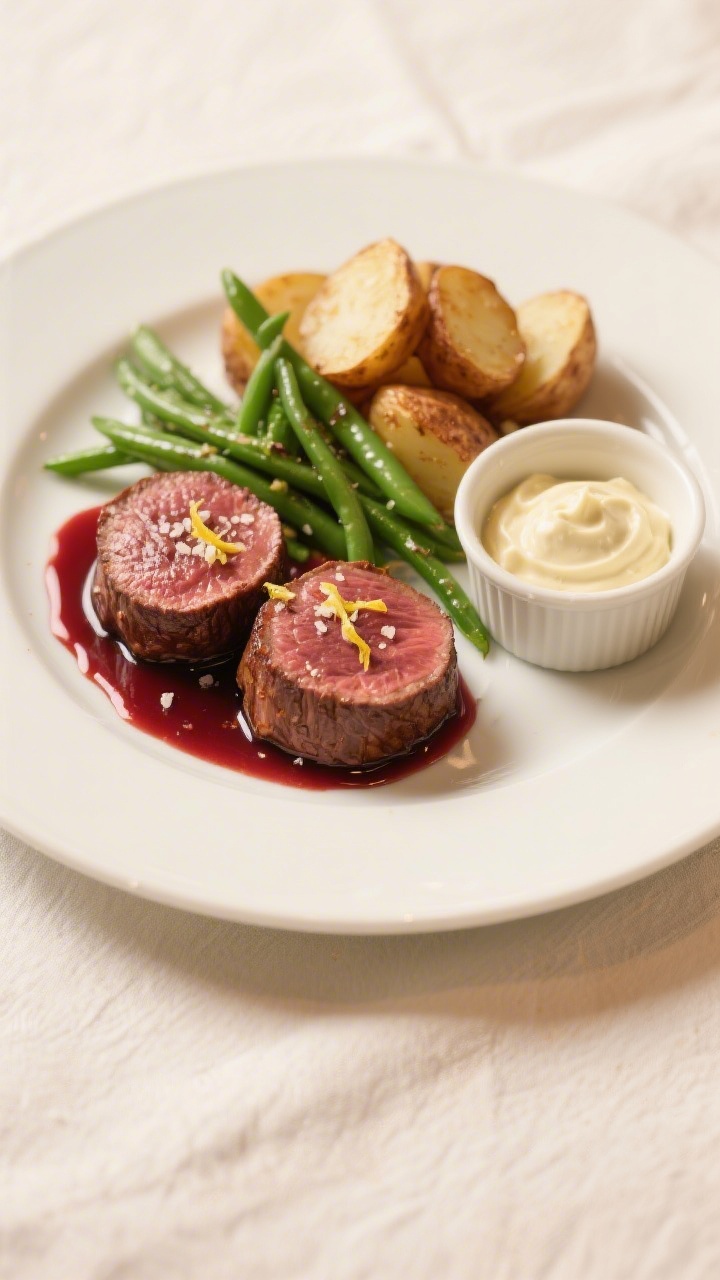
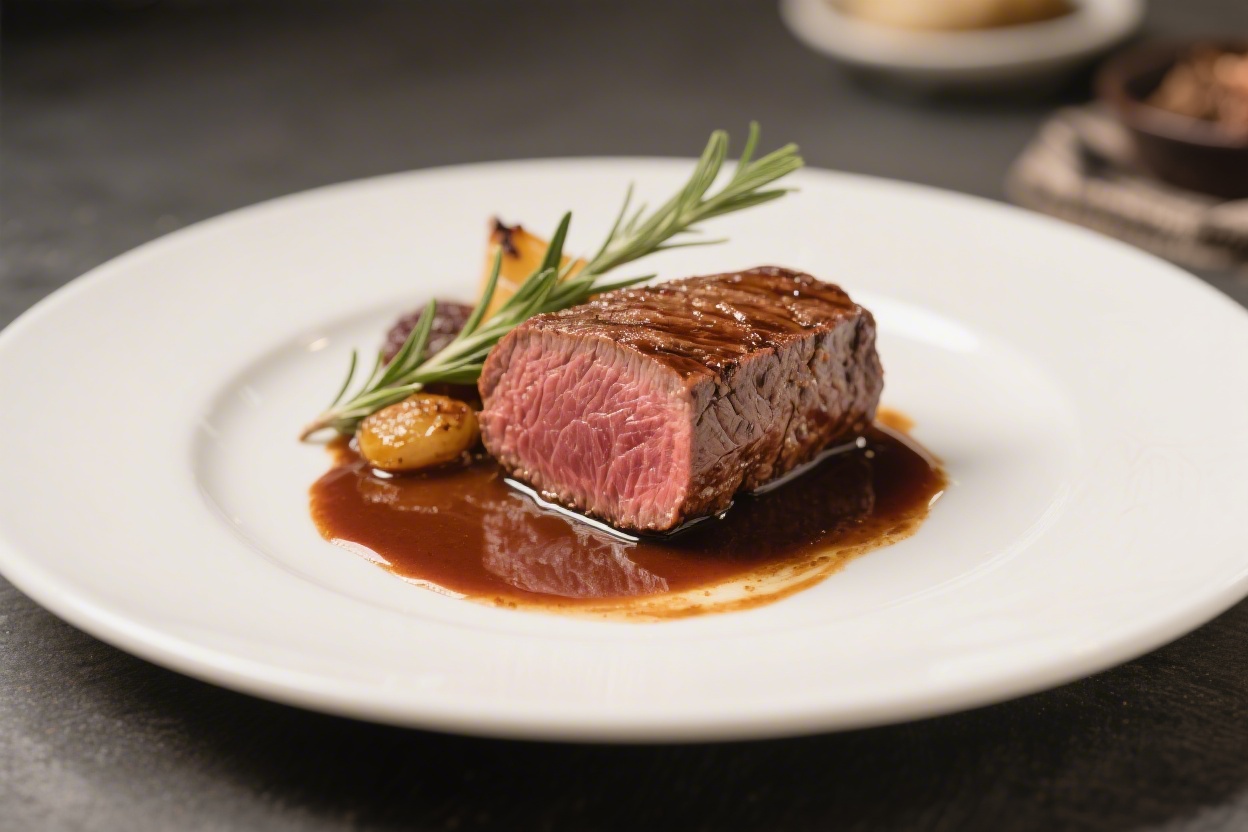
- Slice and serve: Remove the twine. Slice into 1-inch medallions for classic portions.
Finish with a sprinkle of flaky salt and serve with the pan sauce.
Keeping It Fresh
- Storage: Leftover tenderloin keeps well in an airtight container in the fridge for 3 to 4 days.
- Reheating: Warm gently to keep it tender. Place slices in a low oven (275°F/135°C) for 10 to 12 minutes, or in a covered skillet with a splash of broth over low heat.
- Freezing: For best texture, freeze cooked slices tightly wrapped for up to 2 months. Thaw overnight in the fridge and reheat gently.
- Next-day ideas: Make steak sandwiches, slice thin over salads with mustard vinaigrette, or fold into eggs with sautéed mushrooms.
Why This is Good for You
- High-quality protein: Tenderloin is lean yet satisfying, helping support muscle repair and fullness.
- Iron and B vitamins: Beef provides heme iron and B12, important for energy and red blood cell health.
- Customizable fats: You control the butter and oil, so you can keep it lighter or richer to match your goals.
- Whole-food focused: Simple ingredients, big flavor, and no heavy sauces required.
Pitfalls to Watch Out For
- Skipping the thermometer: Guessing doneness is risky.
An instant-read thermometer is the easiest way to nail it.
- Under-seasoning: Tenderloin is mild. Salt generously, especially on thick cuts.
- No rest time: Cutting too soon lets juices run out. Resting is non-negotiable for a juicy result.
- Cold pan or crowded pan: You won’t get a good sear if the pan isn’t hot or if the meat is cramped.
- Overcooking: Tenderloin dries out fast beyond medium.
Pull it a few degrees early and let carryover heat finish the job.
Recipe Variations
- Herb-crusted: After searing, brush with Dijon mustard and press on a mix of chopped rosemary, thyme, and parsley. Roast as directed.
- Garlic-pepper crust: Mix cracked black pepper, garlic powder, and kosher salt. Pat it on before searing for a bolder crust.
- Bacon-wrapped medallions: Slice into steaks, wrap each with a strip of bacon, secure with toothpicks, and sear/roast.
- Horseradish cream: Stir prepared horseradish into sour cream with lemon juice, salt, and chives for a bright, tangy sauce.
- Red wine shallot sauce: After searing, sauté minced shallots, deglaze with red wine, reduce, add beef broth, and finish with butter.
- Grill option: Sear over high heat on the grill, then move to indirect heat until it reaches your target temperature.
FAQ
How much beef tenderloin should I buy per person?
Plan for about 6 to 8 ounces per person if serving with sides.
For a crowd with hearty appetites, aim closer to 8 to 10 ounces.
Do I need to tie the tenderloin?
Tying helps it cook evenly because the tail end is thinner. If your tenderloin is already center-cut and uniform, tying is less critical but still helpful.
What internal temperature should I aim for?
For medium-rare, pull it at 125°F and let it rest to 130–135°F. For rare, pull at 120°F.
For medium, pull at 130–135°F and rest to 140–145°F.
Can I make this ahead?
You can season and tie it a day ahead and keep it uncovered in the fridge to dry-brine. Cook it right before serving for the best texture and warmth.
What sides go well with beef tenderloin?
Roasted potatoes, creamy mashed potatoes, sautéed green beans, asparagus, a crisp salad, or buttery dinner rolls all pair beautifully.
How do I keep it from smoking up the kitchen?
Use a high-heat oil, make sure the pan is clean and dry, and turn on ventilation. If your stovetop runs hot, sear slightly lower and extend the sear by a minute.
Can I use this method for filet mignon steaks?
Yes.
Sear individual steaks 2 minutes per side, then roast 4 to 8 minutes depending on thickness and desired doneness. Always check with a thermometer.
Final Thoughts
This beef tenderloin recipe delivers impressive results with simple steps and reliable timing. A good sear, careful roasting, and proper rest are the secrets.
Add a quick pan sauce or keep it classic with just herbs and butter. Either way, you’ll end up with tender, juicy slices that feel special without the stress. Keep your thermometer handy, season well, and enjoy every bite.
Beef Tenderloin Recipe - Simple, Juicy, and Perfect Every Time
Ingredients
Method
- Bring to room temp: Take the tenderloin out of the fridge 45 to 60 minutes before cooking. Pat it dry very well with paper towels.
- Season boldly: Sprinkle all sides with kosher salt and black pepper.For best results, salt it at least 30 minutes before cooking to help it season through.
- Preheat the oven: Set to 425°F (220°C). Place a rack in the center.
- Heat your pan: Set a large oven-safe skillet over medium-high to high heat. Add the oil and heat until it shimmers.
- Sear the beef: Lay the tenderloin in the hot pan and sear 2 to 3 minutes per side until deeply browned all over.Don’t rush the browning—it builds flavor.
- Add aromatics: Reduce heat to medium. Add butter, smashed garlic, and herbs to the pan. Tilt the pan and spoon the foaming butter over the beef for about 1 to 2 minutes.
- Roast: Transfer the skillet to the oven.Roast until the internal temperature hits your target: about 120°F for rare, 125°F for medium-rare, 130–135°F for medium. This usually takes 15 to 25 minutes, depending on thickness and your oven.
- Check early: Start checking with an instant-read thermometer at the 12-minute mark. Insert it into the thickest part for an accurate reading.
- Rest: Move the tenderloin to a cutting board and tent loosely with foil.Rest for 15 to 20 minutes. The temperature will rise 5 to 10 degrees as it rests.
- Optional pan sauce: While resting, place the skillet back on medium heat. Deglaze with a splash of red wine or beef broth, scraping up brown bits.Simmer 2 to 3 minutes, then swirl in a tablespoon of butter. Season to taste.
- Slice and serve: Remove the twine. Slice into 1-inch medallions for classic portions.Finish with a sprinkle of flaky salt and serve with the pan sauce.
Printable Recipe Card
Want just the essential recipe details without scrolling through the article? Get our printable recipe card with just the ingredients and instructions.