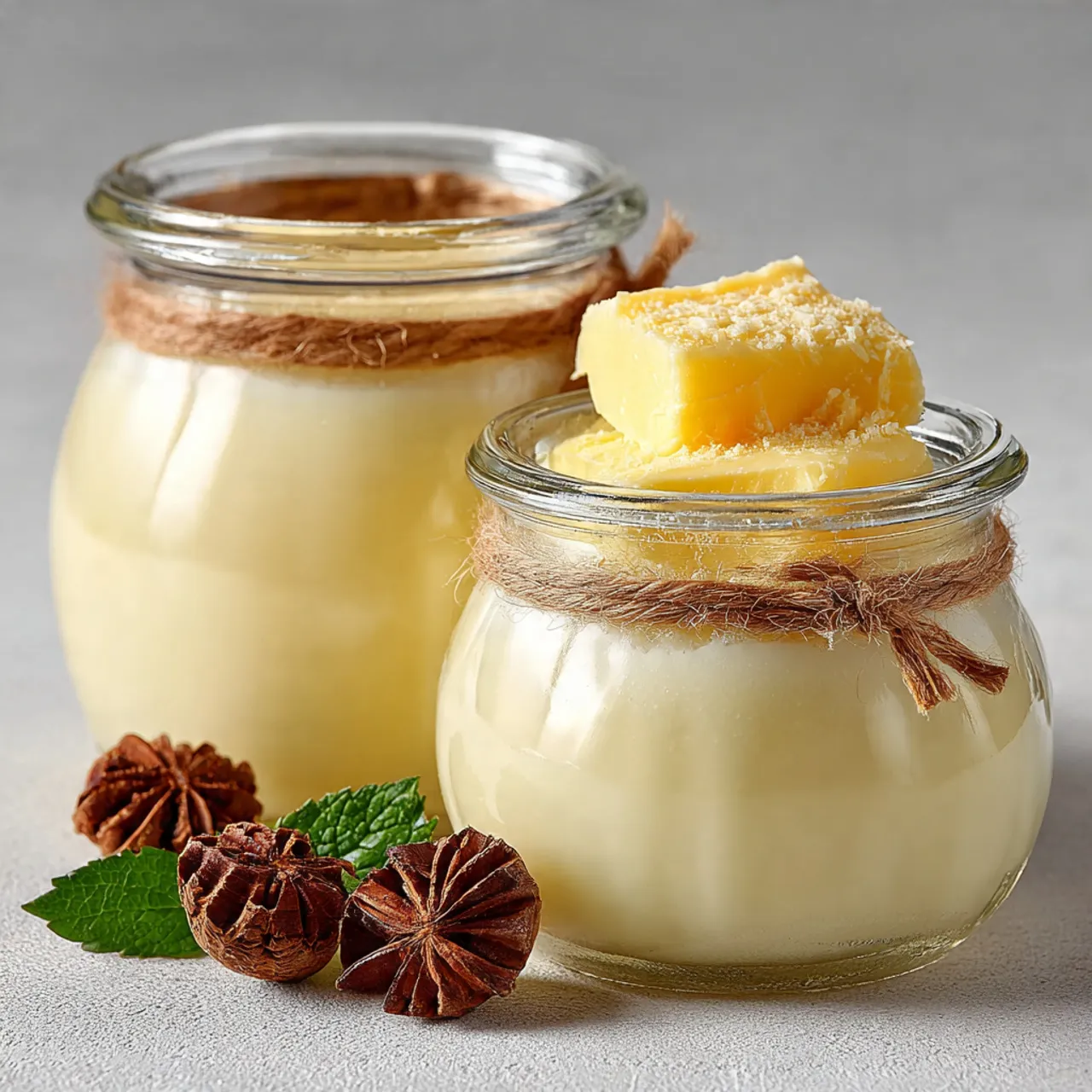
Beef Tallow
Beef Tallow
Beef tallow is a traditional cooking fat made by slowly rendering beef fat until it turns clear, golden, and shelf-stable. Home cooks love it for its rich flavor, long storage life, and how naturally it fits into everyday cooking. It’s especially comforting on cold nights when you want food that feels grounding and familiar. I usually make a batch when I know busy evenings are coming, because it simplifies cooking all week. Beef tallow works beautifully for frying, roasting, or even spreading into meal prep routines without extra effort, making it a quiet kitchen staple that earns its place fast.
Why You Will Love This Recipe
This recipe is simple, forgiving, and deeply practical for real life. You don’t need special tools or fancy steps, just time and patience. The flavor is clean and hearty, adding depth to everyday meals without overpowering them. It’s budget-friendly since it uses something often overlooked, and one batch lasts a long time. I love how freezer-friendly and weeknight-ready it feels, especially when meals need to come together quickly. Beef tallow also adapts easily to different cooking styles, whether you’re roasting vegetables, browning meat, or prepping ahead. It’s the kind of cozy kitchen basic you’ll reach for again and again.

Ingredients
Tip: Use fresh, clean beef fat from around the kidney or back for the best result.
Instructions
Step 1: Preparation
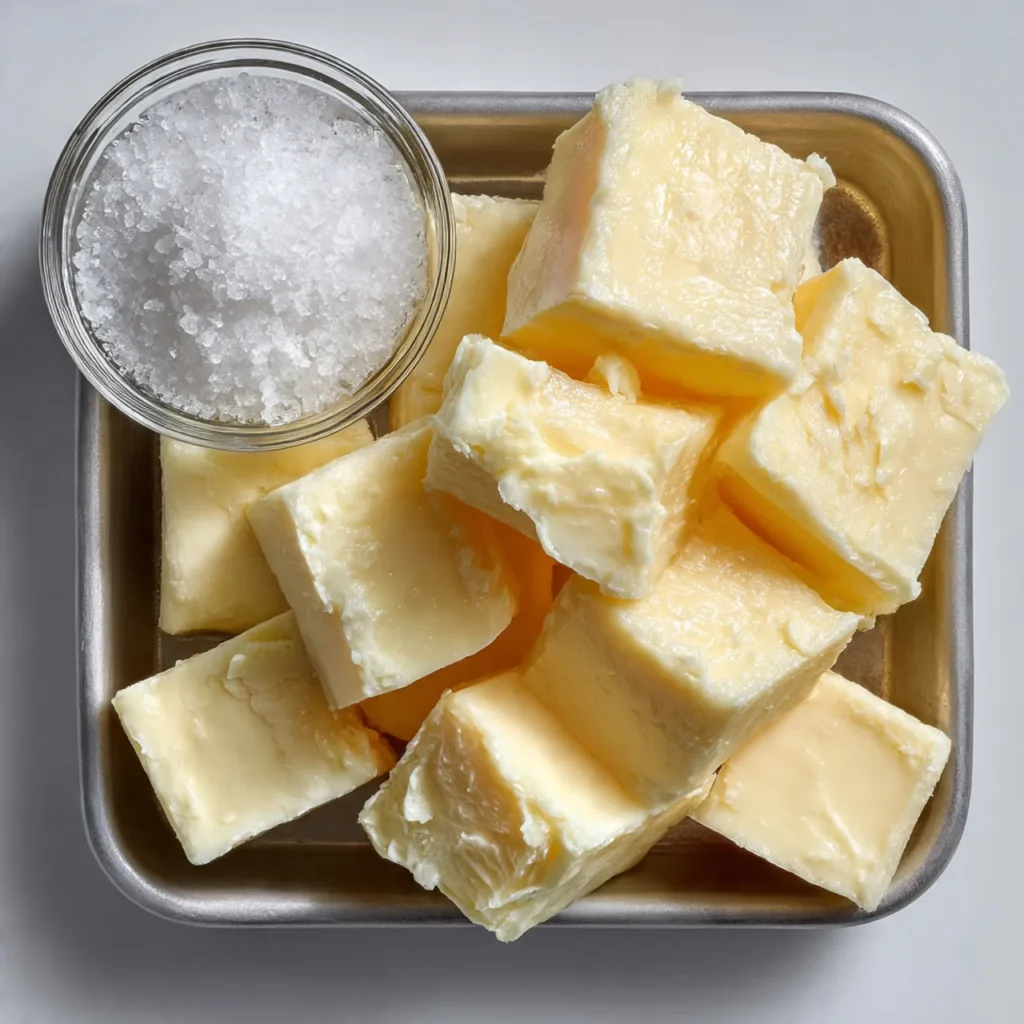
Cut the beef fat into small, even pieces. Smaller pieces melt more evenly and help prevent scorching. As you work, the fat should feel firm and pale, with no strong smell, which keeps the final result clean.
Step 2: Main Cooking Process
Place the chopped fat and water into a heavy pot over very low heat. As it warms, the fat slowly softens and releases liquid. You’ll notice a gentle aroma and quiet bubbling, never loud sizzling.
Step 3: Combining Ingredients
Stir occasionally as the fat pieces shrink and turn slightly golden. The liquid should look clear, not cloudy. Any solid bits will begin to sink, letting you see the difference between melted fat and cooked pieces.
Step 4: Finishing & Final Simmer
Once bubbling slows and solids are browned, remove the pot from heat. Carefully strain the liquid through a fine sieve into clean jars. Let it cool until solid, turning creamy and smooth as it sets.
Why This Recipe Works for Busy Days
This recipe is mostly hands-off, which makes it ideal when your schedule is full. You can let it cook quietly while doing other tasks. The finished tallow stores well, meaning future meals start faster with one simple scoop instead of extra prep.
Tips & Tricks
Variations
Meaty Version
Leave a small amount of browned fat solids mixed in after straining. This creates a deeper, meatier flavor that works well for savory cooking like pan-searing or hearty stews. Use it when you want extra richness without adding additional seasoning.
Vegetarian Option
For cooks avoiding animal fat, this exact method can be used with coconut oil or vegetable shortening instead. While the flavor changes completely, the slow melting and careful straining technique stays useful for building kitchen confidence.
Ingredient Swap
If beef suet isn’t available, trimmed fat from roasts or steaks works well. Just be sure to remove any meat attached. Cleaner fat leads to a lighter color and better shelf stability in the finished tallow.
Flavor or Herb Boost
For a subtle aroma, add a small sprig of rosemary or thyme during the last few minutes of cooking, then remove before straining. This lightly infuses the fat without overpowering it, perfect for roasted vegetables.
Serving Suggestions
Storage Instructions
Recipe Timing
Nutrition Information
Calories per serving range from 115–130.
Protein is minimal, usually 0–1 grams.
Contains natural fats and fat-soluble nutrients.
Values are estimates and may vary depending on fat source, portion size, and preparation method.
FAQs
Conclusion
Making beef tallow at home feels quietly satisfying because it turns something simple into a useful, long-lasting kitchen staple. Once you try it, you’ll likely find yourself reaching for it in everyday cooking without much thought. It’s easy to customize, easy to store, and easy to reuse across meals. Whether you’re cooking for family or planning ahead for busy weeks, beef tallow fits right in without demanding attention. Keep it simple, trust the process, and let it become one of those comforting basics that make cooking feel calmer and more familiar.
Beef Tallow
Course: Beef Recipes16
servings15
minutes2
minutes300
kcalSlow-rendered beef fat that turns into a smooth, golden cooking staple. Simple to make, easy to store, and perfect for everyday home cooking.
Ingredients
Beef fat (suet), 2 pounds
Water, ½ cup
Directions
- Chop beef fat into small, even pieces.
- Add fat and water to a heavy pot over low heat.
- Cook slowly, stirring occasionally, until fat melts and solids brown.
- Remove from heat and strain liquid into clean jars.
- Cool completely until solid, then store.
Printable Recipe Card
Want just the essential recipe details without scrolling through the article? Get our printable recipe card with just the ingredients and instructions.