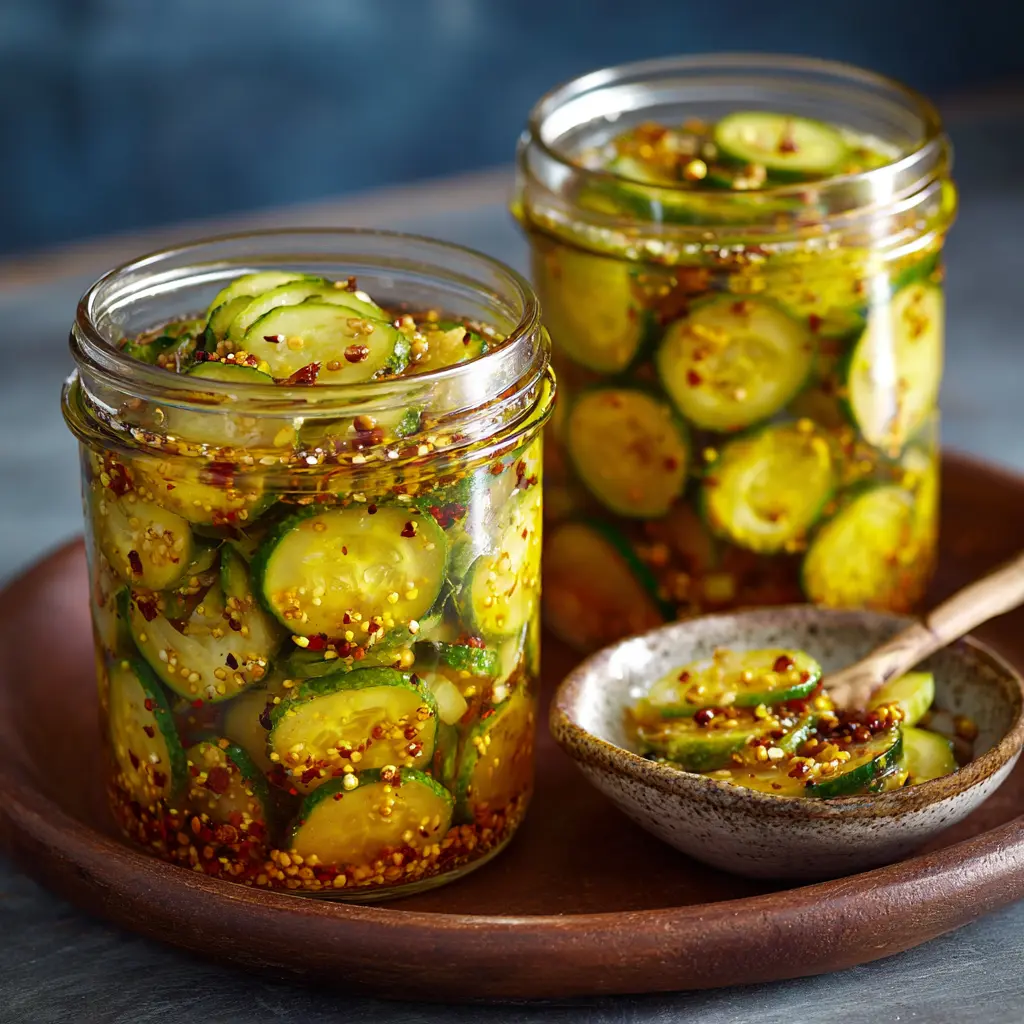
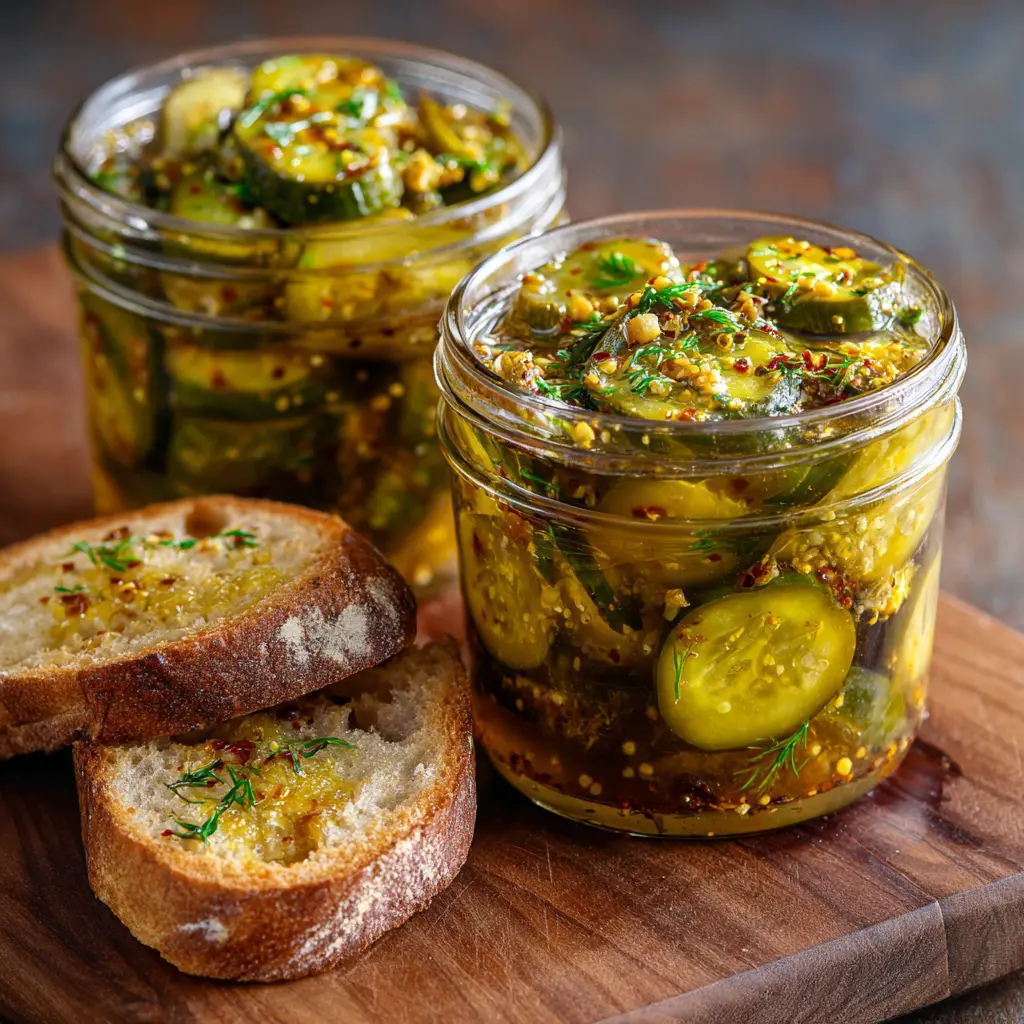
These lightly sweet, gently tangy pickles taste like summer in a jar, even when the weather feels heavy and cold. Bread and butter pickles are simple to make, and the ingredients aren’t fancy—just everyday pantry staples. They’re crisp, full of flavor, and slide easily into busy family meals, from sandwiches to quick snack boards. I love how fast the brine comes together in one pot while I slice the cucumbers. This recipe brings comfort without extra fuss, and the jars wait patiently in the fridge until you’re ready. If you want an easy homemade touch for weeknights, these belong in your kitchen.
These pickles offer the warm satisfaction of something homemade without requiring long hours or special skills. The flavor hits a cozy balance—crisp cucumbers, mild onion, and a mellow sweetness that feels nostalgic without being overpowering. It’s fridge- and weeknight-friendly, too: prep them when you have a quiet moment, then pull them out whenever you need a fast side or topping. They stretch a food budget, turning simple meals into something that feels thoughtful. If you’re stocking up for busy weeks, these store well and keep their bite. They also make great edible gifts. The recipe is flexible enough to adjust sweetness or tang, so you can save it and return to it often. Making a batch becomes a calming kitchen ritual that rewards you later.
Wash the cucumbers, trim ends, and slice into even rounds. Slice the onion thinly so it softens gently in the brine. Toss vegetables with salt in a large bowl and let sit for a short while to draw out moisture.
Step 2: Main Cooking Process
Warm vinegar, sugar, mustard seeds, celery seeds, and turmeric in a pot over medium heat. Stir until the sugar dissolves and the spices release their fragrance. The mixture should steam lightly and smell mellow, not sharp. Keep it just below a full boil.
Rinse the salted cucumbers and onions briefly and pat dry. Carefully lower them into the warm brine and fold gently so they’re coated evenly. The color will brighten and the slices begin to soften slightly as they absorb the flavors.
Step 4: Finishing & Final Simmer
Let everything simmer softly until the vegetables look glossy and pliable. Remove from heat and ladle into clean jars, covering them with the brine. Allow to cool completely before sealing. The flavor deepens as they rest in the fridge.
Why This Recipe Works for Busy Days
You can make these ahead, stash them in jars, and pull them out whenever dinner needs a lift. The brine keeps the vegetables crisp, so leftovers stay appealing. They hold well in the fridge for days, meaning you prep once and enjoy multiple meals. It’s the kind of small project that feels satisfying and saves time later, especially on evenings when chopping vegetables feels like too much.
Tips & Tricks
Salting draws out extra moisture. If you skip this step, the brine can turn diluted and the texture softer than expected. A short rest makes a real difference and prevents sogginess. Rinse lightly to remove excess salt without washing away flavor.
Let the brine heat gently. Cranking the heat high can make the vinegar taste harsh and flatten the spices. Steady warmth dissolves the sugar evenly and softens the seeds without bitterness. Watch for light steam, not rapid bubbling.
Slice the cucumbers consistently. Uneven slices soften at different rates and may leave some crunchy and others limp. Use a sharp knife or mandoline if you have one, working slowly to keep thickness steady for balanced texture.
Store in clean jars. If jars aren’t washed well, lingering flavors or residue can affect the pickles. Hot soapy water and a full rinse help avoid off tastes and keep the brine clear instead of cloudy.
Variations
Meaty version: Serve the pickles alongside sliced roasted chicken or tuck them into warm sliders. Their sweetness balances savory richness without overpowering. You can also spoon some brine into the pan juices of cooked meat for a subtle tang. Just a splash transforms leftovers into a fresh-tasting meal.
Vegetarian option: Use these as a topping for veggie burgers or grain bowls. The crunch brightens earthy ingredients like lentils or roasted sweet potatoes. If you prefer less sweetness, reduce sugar slightly and keep the vinegar ratio steady to maintain balance.
Ingredient swap: Replace white vinegar with apple cider vinegar for a fruitier note. The brine may appear slightly darker but still tastes bright. Keep measurements the same and taste before adding more sugar so the flavor stays mellow, not sharp.
Flavor or herb boost: Slip a few garlic cloves or fresh dill sprigs into the jars before pouring the brine. These additions infuse quietly over days, creating deeper complexity without changing the base recipe. Allow the jars to rest overnight for full effect.
Serving Suggestions
Sandwich topping Pile pickles onto grilled cheese or deli-style sandwiches for a burst of crunch. The sweet tang cuts through melted cheese richness and turns a quick meal into something comforting. Keep a jar at hand during busy lunches for instant lift.
Side for weeknight plates Spoon pickles beside roasted chicken, baked fish, or simple beans and rice. They offer contrast without extra work. The jar waits patiently in the fridge, ready whenever you need a low-effort side dish.
Snack board addition Lay them out with crackers, sliced cheese, and nuts for a casual snack dinner. Their brightness keeps the board from feeling heavy. The brine even works as a quick drizzle over nuts or seeds.
Salad accent Chop a handful and toss into potato or pasta salads. The sweet tang adds life to creamy dressings and balances starchiness. Stir them in at the end so they stay crisp.
Storage Instructions
Fridge storage Cool jars completely before sealing. Store in the refrigerator for several weeks. Keep vegetables submerged in the brine to maintain texture and prevent drying around the edges. Use clean utensils when removing pieces to avoid introducing residue.
Reheating No reheating needed, but if using brine for a warm dressing, heat gently in a small pot until warm to the touch, not boiling. Vigorous boiling can mute the spices and intensify the vinegar too quickly.
Freezing These pickles don’t freeze well; freezing can break down the texture and turn them mushy once thawed. If you want to preserve cucumbers long-term, freeze them before pickling for future batches rather than freezing the finished product.
Make-ahead tips Prepare jars when you have downtime. The flavor improves after a day or two, making them ideal for planning ahead. Label jars with the date and flavor variations so you remember what to reach for later.
Calories per serving: 25–40 Protein: less than 1 gram These values vary depending on cucumber size, sugar level, and serving amount. Turmeric and mustard seeds contribute small amounts of micronutrients. Use this estimate as a general guide, not an exact measurement.
FAQs
Yes, they get better after resting in the fridge.
They may not have been salted long enough or cooled properly before sealing.
Apple cider vinegar works well in place of white.
It’s often due to residue or jars not rinsed thoroughly.
Stored in the fridge, they keep for several weeks.
Conclusion
Homemade pickles add a small spark of joy to everyday meals, and this recipe is gentle enough for beginners. You can tweak sweetness, slip in garlic, or try different vinegars as you find your favorite balance. Bread and butter pickles don’t demand perfection—just a little time and patience to rest in the fridge. Each jar becomes a side, topping, or gift that feels thoughtful without extra work. Keep the process relaxed, make a batch when the kitchen is quiet, and enjoy the reward waiting for you later in the week.